
 实景预览
实景预览
 发送
发送 分享
分享
 详情
详情 指南
指南

 下载图片
下载图片
 相似作品
相似作品 X射线
X射线 幻灯片播放
幻灯片播放 统计数据
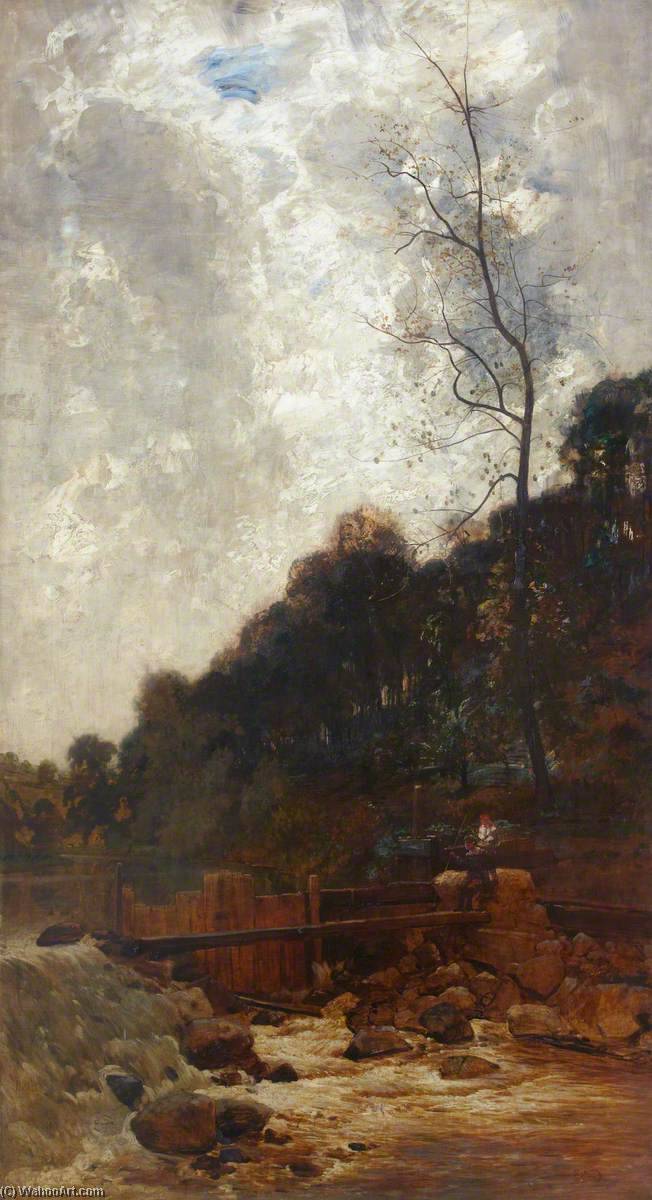
统计数据Summertime
 1903
1903 167.0 x 90.0 cm
 皇家苏格兰学院艺术与建筑展
 阅读全文
阅读全文
艺术微喷/版画
博物馆级艺术微喷或帆布版画,制作高效,并提供多种饰面选择。 ( 订购此收藏品的纯手工复刻画作 切换至数字图像销售渠道)




































您可以从与原作比例一致的预设尺寸中进行选择。

您可以输入自定义尺寸,以适配特定的画框或空间。如果您选择的尺寸与原图比例不符,我们将对作品进行裁剪,或通过镜像填充/纯色填充边缘的方式来扩展图像。在开始制作之前,我们会向您发送一份数字效果图供您确认。
请注意,屏幕上的预览并不能反映实际的裁剪或扩展效果。只有效果图才能准确展示最终的构图。
虽然我们提供定制尺寸,但为了保持原图比例,我们建议您从预设列表中选择尺寸。


 玻璃选项仅适用于110厘米以下的尺寸。

Summertime
艺术微喷/版画
复刻品尺寸说明
-


总计金额
$ 80
艺术家简介
Robert Noble (1857 – 1917): Echoes of Lothian’s Shores
Robert Noble, born in Edinburgh in 1857, emerged as a significant figure within the Scottish landscape painting tradition—a movement deeply rooted in Romantic ideals and characterized by an unwavering fascination with capturing the sublime beauty of the natural world. His artistic journey unfolded against the backdrop of Victorian Britain, where scientific inquiry wrestled with spiritual contemplation, shaping both the aesthetic sensibilities and intellectual pursuits of his era. While biographical details remain somewhat sparse – Noble’s personal life was largely private – his contribution to Scottish art history is undeniable, primarily through his masterful portrayals of East Lothian's coastline and surrounding rural landscapes.- Early Influences: Noble’s formative years were marked by exposure to the artistic currents circulating in Edinburgh’s intellectual circles. He studied at the Royal Scottish Academy, absorbing the stylistic principles championed by artists like Albert Brumby and David Octavius Hill—artists who prioritized atmospheric perspective and tonal modulation to convey emotion and grandeur. These influences instilled in Noble a profound respect for observation and meticulous technique.
- The Landscape Tradition: Like many of his contemporaries, Noble embraced the Romantic landscape tradition, which sought to elevate nature beyond mere decoration, presenting it as an embodiment of divine majesty and moral instruction. He meticulously documented the dramatic cliffs of Berwickshire and the serene meadows of Musselburgh Abbey, employing a distinctive palette dominated by muted greens, blues, and browns—colors carefully chosen to evoke mood and atmosphere.
- Technique & Style: Noble’s artistic style can be described as characterized by a deliberate blending of realism and Impressionistic tendencies. While he adhered to accurate topographical representation – capturing the contours of hillsides and the textures of rocks with remarkable precision – he simultaneously utilized loose brushstrokes and subtle color variations to imbue his canvases with an ethereal quality. This approach allowed him to convey not only what he saw but also how he felt about the subject matter.
Notable Works & Recurring Themes
Noble’s oeuvre comprises approximately eighty paintings, predominantly landscapes depicting East Lothian and Northumberland. Among his most celebrated pieces are “The Cliffs of Berwickshire” (1893), a monumental depiction of the dramatic coastline featuring towering cliffs battered by turbulent seas; “Musselburgh Abbey Meadows” (1896), capturing the tranquil beauty of the abbey grounds bathed in golden sunlight; and “Dunbar Castle Ruins” (1902), presenting a poignant portrayal of crumbling fortifications against a brooding sky. Recurring themes throughout his work include solitude, contemplation, and an appreciation for the sublime—concepts central to Romantic thought.- Symbolism & Emotion: Noble’s paintings transcend mere visual representation; they are infused with symbolic meaning reflecting the anxieties and aspirations of Victorian society. The brooding skies and desolate landscapes serve as metaphors for existential uncertainty, while the depiction of figures—often solitary shepherds or fishermen—suggests a yearning for communion with nature and transcendence.
- Legacy & Influence: Robert Noble’s artistic legacy extends beyond his individual paintings. He established himself as a respected teacher at Edinburgh College of Art, nurturing the talents of younger artists and fostering a commitment to traditional landscape painting techniques. His work continues to inspire admiration for its expressive power and unwavering devotion to capturing the essence of Scottish scenery.
Historical Context & Artistic Significance
Noble’s artistic output coincided with a period of significant social and intellectual transformation in Britain—the rise of Darwinian evolution challenged religious dogma, prompting artists to grapple with questions of morality and purpose. Simultaneously, the burgeoning field of psychology explored the complexities of human consciousness, influencing aesthetic sensibilities and encouraging artists to delve into the inner lives of their subjects. Noble’s landscapes stand as testament to this era's preoccupation with both scientific discovery and spiritual reflection—a harmonious blend that cemented his place within the broader artistic landscape of Victorian Scotland.
robert noble
1857 - 1917
快速概览
- Artistic Movement Or Style: Landscape Painting
- Artists Or Movements Influenced By This Artist: ['Hudson River School']
- Artists Who Influenced This Artist:
- William Stanhope Gay
- George Caleb Bingham
- Date Of Birth: 1857
- Date Of Death: 1917
- Full Name: Robert Noble
- Nationality: Scottish
- Notable Artworks:
- The Old Mill
- Coastal Landscape
- Place Of Birth: East Lothian