

 实景预览
实景预览
 发送
发送 分享
分享
 详情
详情 指南
指南

 下载图片
下载图片
 相似作品
相似作品 X射线
X射线 幻灯片播放
幻灯片播放 统计数据
统计数据Paris Night
 Oil On Canvas
- WallArt
- Ashcan School
 1898
1898 65.0 x 81.0 cm
 大都会艺术博物馆
 阅读全文
阅读全文
艺术微喷/版画
博物馆级艺术微喷或帆布版画,制作高效,并提供多种饰面选择。 ( 订购此收藏品的纯手工复刻画作 切换至数字图像销售渠道)




P118B ¥10

P118H ¥10

P118W ¥10

P438Z ¥10

P508JH ¥12

P508YH ¥12

P805H ¥10

P805Z ¥10

P919BZ ¥10

P919G ¥10

P919XJ ¥10

P959ZH ¥10

P968JZ ¥12

W106C ¥8

W218G ¥10

W218JH ¥8

W218Y ¥10

W307PJ ¥10

W316G ¥10

W316PJ ¥8

W316Y ¥10

W398PJ ¥8

W4111J ¥10

W500HY ¥15

W500JH ¥15

W692G ¥12

W849H ¥8

W940BG ¥15

W953PJ ¥8




您可以从与原作比例一致的预设尺寸中进行选择。

请输入您所需的宽度和高度,以适配您的画框或墙面。由于印刷品只能进行裁剪,无法超出原图尺寸,因此若比例不一致,画面的一部分将会被裁切。在正式印刷之前,我们会为您发送一份数字效果图供您确认。本页面显示的图片并非最终裁剪后的效果——只有效果图才能展示真实的裁剪情况。


 玻璃选项仅适用于110厘米以下的尺寸。

Paris Night
艺术微喷/版画
复刻品尺寸说明
-


总计金额
¥ 537
Robert Henri’s “Paris Night”: A Glimpse of Urban Life in 1898
Robert Henri's "Paris Night," painted in 1898, isn’t merely a depiction of a Parisian street scene; it’s a vibrant snapshot of a city teeming with life and subtly hinting at the social currents simmering beneath its romantic facade. Born amidst turmoil – his father’s gambling debts and subsequent flight from Cincinnati casting a long shadow over his early years – Henri channeled this inherent restlessness into an artistic vision that fiercely rejected the rigid conventions of academic art. This painting, created during a pivotal period in his career, exemplifies his commitment to capturing the raw, unvarnished reality of American life, particularly as observed through the lens of urban experience.
The scene unfolds with remarkable immediacy. A black and white palette dominates, lending the image an almost photographic quality reminiscent of late 19th-century photography – a deliberate choice by Henri to ground his work in the tangible world. Figures populate the street, not as idealized subjects but as individuals going about their daily routines: men in hats hurrying along, women carrying baskets, and horses pulling carriages through the dimly lit thoroughfare. Henri masterfully employs perspective to create depth, drawing the viewer’s eye from the foreground figures – rendered with a slightly rougher, more immediate brushstroke – towards the receding forms of the buildings and the distant glow of gaslights. The two horses, prominently featured near the center, add to the sense of movement and bustle, while the carriage on the right reinforces the image's narrative of urban commerce.
The Ashcan School and Henri’s Realist Vision
“Paris Night” firmly situates itself within the burgeoning Ashcan School movement, a group of American artists who rejected the polished realism favored by the established art academies. Influenced by Impressionism but rejecting its emphasis on fleeting light and delicate brushwork, the Ashcan School sought to depict the gritty realities of urban life – poverty, overcrowding, and social inequality – with unflinching honesty. Henri, along with artists like John Sloan and George Luks, aimed to create a distinctly American art that reflected the experiences of ordinary people. This wasn’t about romanticizing or glorifying; it was about presenting a truthful, often uncomfortable, portrait of modern America.
Henri's technique in “Paris Night” is characterized by loose brushwork and a deliberate lack of detail. He prioritized capturing the *feeling* of the scene – the energy, the noise, the sense of anonymity – over meticulous representation. The figures are not sharply defined; they’re suggested rather than precisely rendered, contributing to the painting's overall atmosphere of immediacy and movement. Notice how he uses subtle variations in tone and texture to create a sense of depth and volume, particularly in the depiction of the buildings and the horses. This approach was revolutionary for its time, challenging the prevailing artistic norms and paving the way for future generations of American artists.
Symbolism and Emotional Resonance
Beyond its straightforward depiction of urban life, “Paris Night” carries a subtle layer of symbolism. The darkness of the scene – punctuated by the artificial glow of gaslights – evokes a sense of mystery and perhaps even unease. The crowded street, teeming with anonymous figures, speaks to the alienation and isolation that can be experienced in modern cities. Henri’s decision to portray these individuals without judgment or sentimentality forces the viewer to confront the complexities of urban existence.
Furthermore, considering Henri's own turbulent childhood – marked by instability and a dramatic family upheaval – one might interpret “Paris Night” as an exploration of themes related to displacement, anonymity, and the search for identity. The painting’s raw energy and unvarnished realism reflect his own personal journey of reinvention and his desire to find meaning in the everyday experiences of ordinary people. It's a powerful testament to the ability of art to capture not just what is seen but also what is felt – the anxieties, the hopes, and the struggles that shape our lives.
A Reproduction for Your Space
OriginalUniqueArt offers meticulously hand-painted reproductions of Robert Henri’s “Paris Night,” capturing the essence of this iconic work with exceptional detail and fidelity. Our artists utilize archival-quality materials to ensure that your reproduction will endure for generations, faithfully preserving the painting's rich textures, subtle tonal variations, and evocative atmosphere. Whether you are an art collector, a design enthusiast, or simply seeking a stunning piece to adorn your walls, our “Paris Night” reproduction provides a beautiful and authentic representation of this significant work of American art. Available in various sizes, it’s the perfect way to bring a touch of Henri's urban realism into your home or office.
问答详情
罗伯特·亨利 的《Paris Night》 的图像可以自由转载吗?
罗伯特·亨利 的《Paris Night》 的版权说明:该作品属于 属于公有领域 —— 其版权已过期。这决定了是否可以自由进行图像复制。
罗伯特·亨利 的《Paris Night》 的色彩饱和度如何?
罗伯特·亨利 的《Paris Night》 的色彩呈现出 Muted 的饱和度。饱和度描述了色彩的鲜艳或柔和程度。
罗伯特·亨利 的《Paris Night》 为室内空间增添了怎样的氛围?
罗伯特·亨利 的《Paris Night》 营造出一种 Elegant 的氛围,推荐用于 Living Room。作品的情绪感即是其为周围空间带来的意境。
艺术家简介
罗伯特·亨利:美国现实主义的先锋
罗伯特·亨利(Robert Henri,1865年出生于俄亥俄州辛辛那提市),原名罗伯特·亨利·科扎德(Robert Henry Cozad),自幼便背负着颠沛流离和自我重塑的命运。他的童年并非安宁祥和,而是笼罩在父亲约翰·杰克逊·科扎德——一位充满野心、热衷于赌博和房地产开发的冒险家——与母亲特蕾莎·盖特伍德·科扎德之间动荡不安的关系阴影之下。1882年的一场致命枪击事件,源于一场土地纠纷,迫使全家逃亡并改换身份以躲避报复。年轻的罗伯特成为了罗伯特·亨利,这既是他与充满冲突的过去决裂的象征,也是他作为艺术家的重生。西行之旅穿越内布拉斯加州和科罗拉多州,最终定居于纽约市和阿特兰蒂克城,使他对社会边缘群体产生了深刻的同情心——这种同情心将成为其艺术视野的核心特征。早年的动荡经历培养了他独立的精神以及对真实地描绘生活、不拘泥于传统或社会期望的承诺。
艺术发展与影响
亨利正规的艺术教育始于费城宾夕法尼亚美术学院,师从托马斯·安舒茨(Thomas Anshutz),在那里他磨练了自己的绘画技巧。然而,1888年赴巴黎的旅程真正激发了他的艺术觉醒。起初,他被朱利安美术学院的学术传统所吸引,并受到威廉-阿道夫·布格罗(William-Adolphe Bouguereau)和弗朗索瓦·米勒(François Millet)等大师的影响。但亨利并不满足于仅仅复制他所看到的东西;他寻求更深刻地参与现实——一种不仅捕捉光影的瞬息变化,还能抓住现代生活原始情感和活力的途径。这种探索使他拥抱了一种更加大胆、直接的方法,受到荷兰现实主义画家弗朗斯·哈尔斯(Franz Hals)的影响,哈尔斯的自由笔触和心理洞察力与亨利自己的艺术感应产生了共鸣。他开始尝试pochades,即用于快速草图的小木板画,鼓励作品中的自发性和直接性。重返美国后,他成为一名敬业的教师,传授的不只是技巧,更是一种根植于观察、诚实和个人表达的艺术哲学。
倡导现实主义:“灰烬派”与“八人组”
罗伯特·亨利对美国艺术的影响远远超出了他自己的画布;他成为变革的催化剂,挑战了既定的艺术世界的保守规范。他是“灰烬派”(Ashcan School)的核心人物——一群敢于描绘城市生活的严酷现实的艺术家,从熙熙攘攘的街道到拥挤的贫民窟。“亨利对现实主义的承诺和对学术矫饰的拒绝促使他在1908年组织了‘八人组’(The Eight)——一个由志同道合的艺术家组成的集体,包括威廉·格拉肯斯(William Glackens)、乔治·卢克斯(George Luks)、埃弗雷特·辛恩(Everett Shinn)和约翰·斯隆(John Sloan),他们独立举办展览,直接抗议国家设计学院的限制性政策。这一反叛行为是美国艺术史上一个重要的时刻,标志着从欧洲主导地位向独特的美国艺术声音转变。亨利在此期间的绘画作品,例如《身披外套的女人》(1899)和其富有表现力的肖像画,捕捉了普通人的尊严和韧性,为既定的理想化表现形式提供了强有力的反驳。
遗产与持久影响
罗伯特·亨利对后世美国艺术家的影响是巨大的。作为一名教师,他指导了一批非凡的人才,包括约瑟夫·斯黛拉(Joseph Stella)、爱德华·霍珀(Edward Hopper)、洛克威尔·肯特(Rockwell Kent)、乔治·贝娄(George Bellows)和诺曼·瑞本(Norman Raeben),这些艺术家将塑造20世纪艺术的进程。他于1923年出版的书籍《艺术精神》(The Art Spirit)至今仍是充满抱负的艺术家的重要文本,为观察、技巧以及艺术诚信的重要性提供了永恒的智慧。亨利对诚实和同情地描绘生活的承诺、他对传统的拒绝以及他对艺术连接观众力量的坚定信念继续激励着当今的艺术家。他的绘画作品不仅仅是对现实的再现;它们是通往人性的窗口——对人类美丽、斗争和韧性的见证。他为美国现实主义留下了不可磨灭的印记,为更加民主和包容的艺术世界铺平了道路,庆祝普通人的日常经历。他的遗产不仅体现在他自己的杰作中,也体现在他激励无数艺术家寻找自己独特的声音并讲述他们自己的故事。
主要作品
- 《身披外套的女人》(Woman in Manteau, 1899)
- 《雪景》(La Neige (The Snow), circa 1902-1903)
- 《黑色围巾中的O》(O in Black with Scarf, 1914)
- 《黄色连衣裙里的西茜》(Sissy in Yellow, 1908)

罗伯特·亨利
1865 - 1929 , 美国
快速概览
- Artistic Movement Or Style: 阿什坎派,现实主义
- Artists Or Movements Influenced By This Artist:
- 爱德华·霍珀
- 八人组
- Artists Who Influenced This Artist:
- 威廉·布格罗
- 弗朗索瓦·米勒
- Date Of Birth: 1865年6月24日
- Date Of Death: 1929年7月12日
- Full Name: 罗伯特·亨利
- Nationality: 美国国籍
- Notable Artworks (List Of Titles):
- 身着外套的女人
- 雪景
- 黑色披肩中的O
- 黄色西茜
- Place Of Birth (City And Country): 美国俄亥俄州辛辛那提市
相关文章
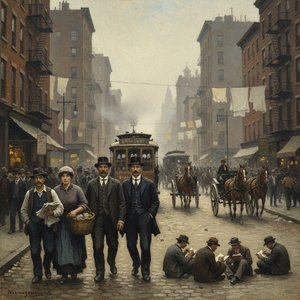
The Ashcan School: Realism, Urban Life & the Democratization of American Art
Explore the revolutionary Ashcan School! Discover how artists like Henri & Sloan challenged tradition with gritty realism, capturing urban life in early 20th-century America. Learn about their impact on American art history.

海牙画派:写实主义、氛围与荷兰印象派曙光
探索海牙画派的魅力!OriginalUniqueArt 提供高品质手绘油画复制品及定制服务,深入解析安东·莫夫等大师作品。专业艺术顾问团队助您甄选投资级艺术珍品,打造专属艺术空间。
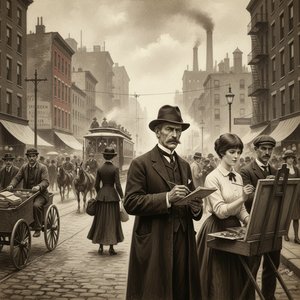
Robert Henri & the Spirit of American Realism: A Legacy of Urban Life and Artistic Independence
Explore the life & legacy of Robert Henri, a pivotal figure in American Realism. Discover his captivating portraits, influence on the Ashcan School, and enduring impact on art history. Learn more at OriginalUniqueArt.
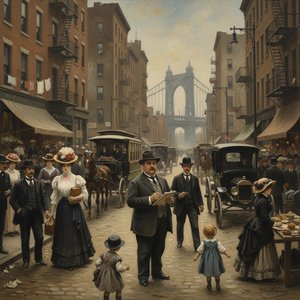
William Glackens: Capturing Modern American Life with Ashcan Realism
Explore the life & art of William Glackens, a pioneer of American Realism and founding member of the Ashcan School. Discover his vibrant depictions of early 20th-century New York & Paris. Learn about his influences & lasting legacy.
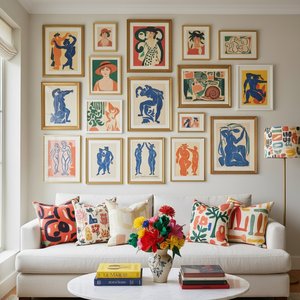
马蒂斯大师25幅杰作:色彩与光影的艺术传奇 | OriginalUniqueArt
探索亨利·马蒂斯25幅杰作,感受野兽派色彩的魅力!从《舞蹈》到《红色和谐》,揭秘大师背后的故事与艺术灵感。OriginalUniqueArt.com提供博物馆级高质量油画复制品,为您的家居增添奢华艺术气息。立即在线探索完整系列!