切换至版画销售渠道
 展开全文
展开全文







































 对于任何边长超过 105 厘米(约 41 英寸)的艺术品或复制品,画框将以拆解后的组件形式发货。此方法可确保安全送达并防止运输过程中的损坏。


A Symphony in Pastel Hues – Exploring Robert Delaunay’s “The Three Graces”
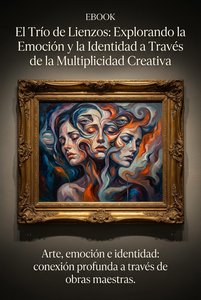
Robert Delaunay's "The Three Graces," completed in 1912, stands as a cornerstone of Orphism and a testament to the transformative power of abstract color theory. Painted during a period of intense artistic experimentation—the Belle Époque giving way to the burgeoning avant-garde—this monumental canvas transcends mere representation, immersing viewers in a realm where form and pigment converge to evoke profound emotion.
- Subject Matter: The painting depicts three nude women – representing Grace, Fertility, and Charity – poised gracefully amidst a dynamic landscape populated by two horses. This classical allusion is deliberately disrupted by Delaunay’s radical approach to visual language.
- Style: Orphism, spearheaded by Delaunay alongside Sonia Delaunay, rejected traditional perspective and realism in favor of fragmented geometric shapes overlaid with vibrant pastel colors. The resulting aesthetic prioritizes sensation over intellect, aiming to stimulate the viewer's subconscious mind.
Technique – Embracing Simultaneity
Delaunay’s masterful technique exemplifies the core principles of Orphism. He employed a layering process—often applying paint in multiple stages—to achieve what he termed “simultaneity.” This meant that different areas of the canvas appeared to glow with independent color sources, creating an illusion of depth and movement without adhering to conventional spatial conventions.
- Color Palette: The painting’s palette is dominated by delicate shades of pink, peach, lavender, and turquoise—colors chosen not for their descriptive accuracy but for their expressive qualities. Delaunay meticulously calibrated hues to generate a harmonious visual experience that resonated with the emotional core of the artwork.
- Brushwork: Loose, gestural brushstrokes contribute to the painting’s dynamism, conveying a sense of energy and spontaneity. These marks are deliberately imprecise, rejecting meticulous detail in favor of capturing the fleeting beauty of light and color.
Historical Context – The Dawn of Abstract Expression
"The Three Graces" emerged from the crucible of artistic innovation that characterized early twentieth-century Europe. Influenced by Cézanne’s exploration of geometric simplification and Picasso’s groundbreaking Cubist experiments, Delaunay pushed boundaries further, anticipating developments in abstract expressionism decades later.
- Belle Époque Legacy: Despite its departure from academic traditions, the painting retains echoes of the Belle Époque aesthetic—particularly in its idealized depiction of feminine beauty. However, this classical reference is swiftly subsumed by Delaunay’s embrace of abstraction.
- Symbolism: The figures themselves embody universal themes of grace, fertility, and charity – concepts central to Christian iconography. Yet, Delaunay transforms these symbols into purely visual elements, prioritizing their emotive impact over doctrinal significance.
Emotional Resonance – Capturing the Essence of Beauty
Ultimately, “The Three Graces” succeeds in conveying a profound sense of serenity and wonder. The luminous colors and dynamic brushwork evoke feelings of tranquility and contemplation, inviting viewers to immerse themselves in a visual experience that transcends rational comprehension.
This remarkable artwork continues to inspire artists and collectors alike, serving as a poignant reminder of the transformative potential of color and form—a legacy firmly rooted in Delaunay’s pioneering vision of abstract art.
常见问题与解答
"The Three Graces" 创作于哪一年?
罗贝尔·德劳内 的《The Three Graces》 创作于 1912 年。
关于“The Three Graces”的建议打印规格——尺寸与方向为何?
建议将 罗贝尔·德劳内 的《The Three Graces》 打印为 Large 大小,并采用 Portrait 构图。
罗贝尔·德劳内 的《The Three Graces》 的色彩浓郁度如何?
罗贝尔·德劳内 的《The Three Graces》 呈现出Balanced的色彩强度。
 实景预览
实景预览
 分享
分享 分享
分享
 详情
详情 指南
指南

 下载作品
下载作品
 相似作品
相似作品 X射线
X射线 幻灯片播放
幻灯片播放 问答
问答 统计数据
统计数据