

 实景预览
实景预览
 分享
分享 分享
分享
 详情
详情 指南
指南

 下载作品
下载作品
 相似作品
相似作品 X射线
X射线 幻灯片播放
幻灯片播放 Q&A
Q&A 统计数据
统计数据Landscape (Wanaka)
 Watercolor
- WallArt
- Impressionism
 1939
1939 22.0 x 27.0 cm
 Te Papa
 展开全文
展开全文
艺术微喷/版画
博物馆级艺术微喷或帆布版画,制作高效,并提供多种饰面选择。 ( 订购纯手工绘制画作 切换至数字图像销售渠道)




P118B ¥10

P118H ¥10

P118W ¥10

P438Z ¥10

P508JH ¥12

P508YH ¥12

P805H ¥10

P805Z ¥10

P919BZ ¥10

P919G ¥10

P919XJ ¥10

P959ZH ¥10

P968JZ ¥12

W106C ¥8

W218G ¥10

W218JH ¥8

W218Y ¥10

W307PJ ¥10

W316G ¥10

W316PJ ¥8

W316Y ¥10

W398PJ ¥8

W4111J ¥10

W500HY ¥15

W500JH ¥15

W692G ¥12

W849H ¥8

W940BG ¥15

W953PJ ¥8




您可以从与原作比例一致的预设尺寸中进行选择。

请输入您所需的宽度和高度,以适配您的画框或墙面。由于印刷品只能进行裁剪,无法超出原图尺寸,因此若比例不一致,画面的一部分将会被裁切。在正式印刷之前,我们会为您发送一份数字效果图供您确认。本页面显示的图片并非最终裁剪后的效果——只有效果图才能展示真实的裁剪情况。


 玻璃选项仅适用于110厘米以下的尺寸。

Landscape (Wanaka)
艺术微喷/版画
复刻品尺寸
-


最终结算价
¥ 537
A Moment Frozen in Time: Rita Angus’s “Landscape (Wanaka)”
Rita Angus's "Landscape (Wanaka)," painted in 1939, isn’t merely a depiction of a New Zealand vista; it’s a carefully constructed meditation on light, memory, and the profound connection between humanity and the natural world. Captured with her signature hard-edged style – a deliberate rejection of Impressionism's hazy atmosphere – Angus presents a remarkably precise yet deeply felt portrayal of the Wanaka landscape. The painting immediately draws the eye to the rolling tussock hills, rendered in fluid washes of color that suggest both the ruggedness and the surprising softness of the terrain. The purple-tinged mountain ranges in the distance aren’t simply sketched; they're imbued with a sense of ethereal mystery, hinting at the vastness and timelessness of the region.
Angus’s technique is particularly noteworthy. She employs a wet-on-wet watercolor approach, layering translucent washes to build up form and texture. The deliberate use of white paper – leaving sections untouched with unpainted areas – creates a dynamic interplay between color and void, adding a surprising element of lightness and highlighting the delicate structure of the landscape. These ‘holes’ in the paint aren't accidental; they are integral to Angus’s vision, acting as visual punctuation marks that draw attention to key elements and contribute to the painting’s overall sense of immediacy. The fine lines meticulously capturing trees and a distant fence suggest an almost obsessive attention to detail, balanced by the broader, more atmospheric treatment of the hills and mountains.
A Pioneer's Perspective: Contextualizing Angus’s Vision
To fully appreciate “Landscape (Wanaka),” it’s essential to understand Rita Angus’s place in New Zealand art history. Born in 1908, she emerged as a leading figure during a period of intense artistic experimentation and national identity formation. Following her father's work as a construction manager, Angus spent much of her childhood moving between Palmerston North and Napier, an experience that instilled in her a keen observational eye and a sense of independence. Her early training at the Canterbury College School of Art laid the foundation for her distinctive style, influenced by movements like Cubism and Byzantine art – influences she skillfully integrated into her own unique vision.
The painting was created during a time of significant social and political change in New Zealand. The Great Depression loomed large, and there was a growing desire to define a distinctly ‘New Zealand’ aesthetic—one that moved beyond European artistic traditions. Angus's work, with its focus on the landscape and its rejection of romanticized notions of beauty, can be seen as part of this broader movement. Her decision to sign her paintings as Rita McKenzie after a personal upheaval reflects a deliberate assertion of agency and control over her own identity and artistic legacy.
Symbolism in the Landscape: More Than Meets the Eye
Beyond its purely visual appeal, “Landscape (Wanaka)” is rich with symbolic meaning. The vast expanse of green pasture, punctuated by white flowers, evokes a sense of abundance and fertility – a direct reference to the pastoral traditions of New Zealand. The distant mountains, rendered in cooler tones, represent permanence and stability, anchoring the scene within a broader historical context. The carefully placed picket fence, a seemingly minor detail, serves as a subtle reminder of human presence and intervention within this wild landscape.
Furthermore, the painting’s stark clarity can be interpreted as a response to the uncertainties of the era. Angus's deliberate rejection of atmospheric perspective—flattening the depth of field—suggests a desire to confront reality head-on, rather than softening it with illusionistic techniques. The painting isn’t simply about depicting a beautiful scene; it’s about capturing a specific moment in time and conveying a complex range of emotions – from tranquility and serenity to a sense of quiet contemplation.
Bringing “Landscape (Wanaka)” into Your Space
Reproductions of Rita Angus's "Landscape (Wanaka)" offer a remarkable opportunity to bring this evocative artwork into your home or office. The painting’s bold colors, sharp lines, and dynamic composition create a striking visual impact that will undoubtedly become a focal point in any room. The interplay between color and white space adds depth and dimension, while the meticulous detail invites close inspection and contemplation.
Whether you're an art collector seeking to expand your collection or simply looking for a piece of artwork that embodies New Zealand’s unique beauty and artistic spirit, “Landscape (Wanaka)” is a truly exceptional choice. Its timeless appeal and profound emotional resonance ensure that it will continue to captivate viewers for generations to come.
常见问题与解答
“Landscape (Wanaka)”中的色彩呈现出多少光泽感?
丽塔·安格斯 的《Landscape (Wanaka)》 的记录亮度为 Bright Balance。
我可以使用增强现实技术在我的房间里预览 丽塔·安格斯 的《Landscape (Wanaka)》 吗?
“Landscape (Wanaka)” 支持增强现实(AR)预览:通过作品的 AR 效果预览 页面,您可以在兼容设备上查看该作品呈现在您专属空间的效果。
我该如何获取丽塔·安格斯 的《Landscape (Wanaka)》的数字文件?
若想获取 丽塔·安格斯 的《Landscape (Wanaka)》 的数字版文件,请前往其 高分辨率数字图像 页面进行 高分辨率数字图像下载。
艺术家简介
开拓性的视野:丽塔·安格斯的生命与艺术
亨丽埃塔·凯瑟琳·安格斯,以丽塔·安格斯之名闻名于世,是20世纪新西兰艺术史上的丰碑式人物。1908年3月12日,她出生于海斯汀,由于父亲从事木工和建筑工作,她的童年伴随着频繁的迁徙——这种游牧式的成长经历,或许在潜移默ת中培养了她敏锐的观察力与独立的精神。作为七个孩子中的长女,丽塔很早就展现出了艺术天赋,通过私人课程滋养着她初露锋芒的激情。1922年至1926年,她在帕默斯顿北女子高中的正式教育进一步巩固了这一志向,老师们敏锐地察觉并鼓励了她的天赋。这段根基引领她在1927年进入基督城的坎特伯雷艺术学院,在那里,她在理查德·沃尔克、阿奇博尔德·尼科尔、塞西尔·凯利和伦纳德·布斯等导师的指导下,沉浸于人体写生、静物画和风景画的传统训练之中。尽管她并未最终获得文凭,但直到1933年间断续进行的学习对她而言至关重要,这些经历让她接触到了文艺复兴与中世纪艺术,从而深刻地塑造了她的艺术审美。锻造独特的风格
丽塔·安格斯职业生涯的早期,充满了个人生活的动荡与艺术上的探索。1930年,她与同为艺术家的阿尔弗雷德·库克结婚,这段婚姻短暂得令人唏嘘,于193变分居,五年后正式离婚。然而,这一时期恰好也是她作为参展艺术家崭露头角的阶段,她在坎特伯雷艺术协会凭借肖像画和风景画赢得了认可。正是在这些塑造性的岁月里,安格斯开始发展出一种独树一帜的风格——其特征是清晰、硬朗的轮廓,简化的形状,以及充满活力且往往带有情感张力的色彩运用。她逐渐脱离了严谨的写实主义,转向拥抱现代主义的表现手法,将个人愿景置于单纯的再现之上。这种风格的演变并非闭门造车;她深受拜占庭艺术、立体主义的几何破碎感以及英国画家克里斯托弗·珀金斯作品的影响,尤其是后者对塔拉纳基山的传神描绘,捕捉到了新西兰光线那独特的质感。安格斯还从远东美学与哲学中汲取灵感,将这些多元的影响融入一种凝聚的艺术语言之中。至关重要的是,她并非在刻意定义一种特定的“民族”风格;她的抱负更为深远——去建立一种真实的艺术之声,以反映她内在的世界以及“对人类的热爱和对人类的信心”。 <诞生灵魂的风景与身份的肖像 20世纪30至40年代,安格斯的创作重心主要集中在坎特伯雷和奥塔哥的风景之中。正是在这段时期,她创作了《卡斯》(1936),这幅对小火车站看似简单的描绘,后来在2006年的一项民意调查中被选为新西兰最受喜爱的绘画——这足以证明其作品经久不衰的共鸣力。然而,安格斯的艺术回应并不局限于物理景观;她深受时代政治与社会气候的影响。她的和平主义信仰在20世纪40年代创作的一系列女神像中得到了体现,其中《鲁图》或许是这一主题最具有标志性的呈现——它是和平与韧性的强大象征。1950年代初期,她踏上了遍游新西兰的旅程,创作出了如《中奥塔哥》般动人心魄的风景画,捕捉到了该地区荒凉而壮丽的美感。1955年移居惠灵顿为她的创作带来了新的题材:城市景象与霍克斯湾的景色,以及对肖像画创作的持续投入。安格斯是一位多产的肖像画家,她不仅能巧妙地捕捉人物的神态,更能洞察模特内在的精神世界与个性。同样引人入胜的是她众多的自画像——总计超过五十幅——在这些作品中,她探索了不同的角色与面貌,为观众提供了窥见其不断演变的自我身份的亲密视角。1958年,凭借新西兰艺术协会的奖学金,她得以前往伦敦和欧洲旅行,这拓宽了她接触现代与传统艺术形式的视野,进一步丰富了她的艺术词汇。她还承担了一项重要的委约创作,在纳皮尔女子高中绘制了一幅壁画,用以纪念1931年毁灭性的霍克斯湾地震的遇难者——这是一份对逝者与缅怀的深情致敬。传承与持久的影响
丽塔·安格斯生命的晚年笼罩在精神疾病的阴影之下;她在40年代后期曾在桑尼赛德精神病院度过时光,病情在走向死亡的过程中不断恶化,最终于1970年1月25日在惠灵顿因卵巢癌去世。虽然她在生前的认可相对较晚,但其名声在逝世后却如日中天。随着其作品大型展览的举办,她作为新西兰艺术史核心人物的地位得到了巩固。时至今日,人们赞颂丽塔·安格斯不仅是因为她的艺术成就,更是因为她那开拓性的精神以及对自身愿景的坚定承诺。她那独特的风格——精准的线条、大胆的色彩和象征性的深度——持续激励着一代又一代的艺术家。她在惠灵顿的原居地现已被保存为“丽塔·安格斯小屋”,并作为艺术家驻留项目,这成为了她遗产的实物见证,为当代艺术家提供了一个与她的精神连接并继续突破创意边界的空间。安格斯对艺术的投入,结合她对艺术能够表达和平、人性与个人身份之力量的深刻信仰,确保了她的作品在未来的岁月里仍能引起观众的共鸣。代表作品
- 卡斯 (1936): 或许她最著名的画作,以惊人的清晰度和象征意义描绘了坎特伯雷的一个火车站。
- 鲁图 (1940年代): 作为其女神系列的一部分,是和平与女性力量的强大体现。
- 中奥塔哥 (1950年代初期): 一幅动人心魄的风景画,捕捉了新西兰内陆荒凉而壮丽的美感。
- 费与简·比金肖 (1946): 一幅引人入胜的肖像画,展示了她在捕捉人物个性与关系方面的卓越技艺。
- 自画像 (不同时期): 超过五十幅自画像,提供了艺术家不断演变的身份认同的亲密瞬间。

丽塔·安格斯
1908 - 1970 , 新西兰
艺术家简介
- Artistic Movement Or Style: 现代主义, 区域主义
- Artists Who Influenced This Artist:
- 维米尔
- 塞尚
- 克里斯托弗·珀金斯
- Date Of Birth: 1908年3月12日
- Date Of Death: 1970年1月25日
- Full Name: 亨丽埃塔·凯瑟琳·安格斯
- Nationality: 新西兰人
- Notable Artworks: ['卡斯 (193']
相关文章

Ephemeral Visions: Exploring the Artistic Legacy & Contemporary Practice of Watercolor Painting
Explore the captivating world of watercolor painting! Discover its rich history, essential techniques, influential artists & collecting tips. A comprehensive guide for art enthusiasts from OriginalUniqueArt.

Watercolor Wonders: 10 Masterpieces That Redefined Art History | OriginalUniqueArt
Journey through 10 legendary watercolor masterpieces by Sargent, Turner & Homer! Explore iconic landscapes, portraits & floral art that redefined history. Find museum-quality reproductions and curated decor ideas at OriginalUniqueArt.com.

水彩艺术的流光溢彩:历史渊源、情感共鸣与现代实践
探索水彩艺术的流光溢彩!深入了解其历史渊源、大师技法与现代实践。提供专业的艺术咨询、定制油画服务,助您收藏和鉴赏优秀作品。OriginalUniqueArt.com – 您的艺术之选。

Ephemeral Visions: Exploring the Artistic Legacy & Nuances of Watercolor Painting
Explore the captivating world of watercolor painting! Discover its rich history, essential techniques, influential artists & collecting tips from art experts. A comprehensive guide for enthusiasts.
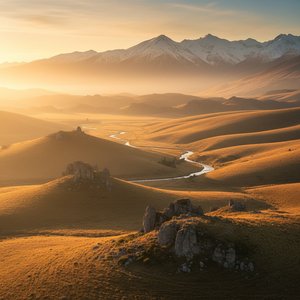
Grahame Sydney: Evoking Otago's Soul Through Light & Landscape
Explore the captivating landscapes of Sir Grahame Sydney, a leading New Zealand artist renowned for his magic realism & evocative depictions of Otago's beauty. Discover key works and delve into his artistic legacy.