 实景预览
实景预览
 切换至版画销售渠道
 分享
分享 分享
分享
 详情
详情 指南
指南

 下载作品
下载作品
 相似作品
相似作品 X射线
X射线 幻灯片播放
幻灯片播放 问答
问答 统计数据
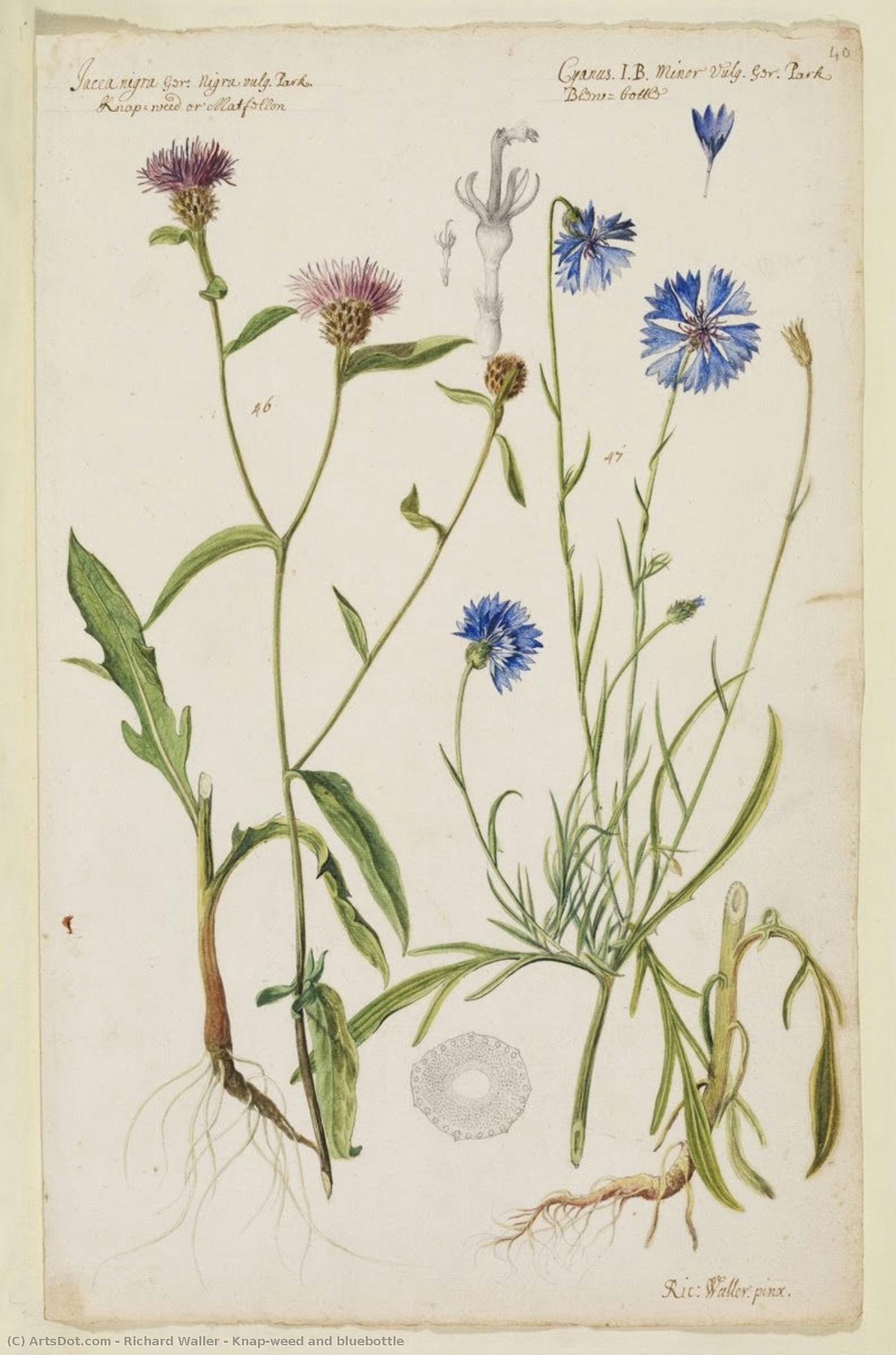
统计数据Knap-weed and bluebottle


 展开全文
展开全文
获取远超网页预览效果的印刷级文件。我们销售的每一张数字图像均源自库存数据库中的高分辨率母版——宽度通常在 5,000 至 15,000 像素之间——因此您可以放心地进行大幅打印、局部裁剪或还原细腻的细节。
每一件作品在离开我们的工作室前都经过了精心的处理。数字影像专家会对照原作核对色彩,并在必要时进行校正,随后利用专业修图工具提升清晰度与细节表现——且始终忠实于艺术家的笔触与风格。最终呈现的图像宛如原作本身,而非仅仅是一张加了滤镜的扫描件。
您可以在最终定稿前进行审核:我们的专家将在 72 小时内通过电子邮件向您发送图像以供审阅。如果不满意?您可以要求改进或修正;若质量未达预期,亦可申请退款。
这也是出版商、设计工作室、画廊及印刷厂所信赖的品质。
每份数字图像订单均包含的内容
专业级数字交付,品质保障
选择 OriginalUniqueArt.com,您获得的不仅仅是一张图像——您收到的是经过专业级增强、精雕细琢的数字艺术作品,并享有满意保证。以下是您的订单中自动包含的所有内容:

邮件即时送达
您的高分辨率数字图像文件将在下单后 72 小时内通过电子邮件发送给您 —— 即可立即使用。

AI 增强型数字文件
您的艺术品经过专业优化,结合先进的 AI 技术与人工修饰,确保呈现极致的细节、清晰度与色彩准确度。

终身免费重发服务
不小心删除了文件或找不到了?没关系——我们将随时为您免费重发。

无需进口税费,始终如一
即刻拥有您的艺术作品,无需支付任何关税、税费或运费——数字下载始终免税。

色彩精准保障
我们通过专业工具与色彩管理技术,确保您的数字图像尽可能真实地还原原作色彩。

100天满意保证
如果您对所购数字图像不满意,我们将在100天内为您进行修改或提供100%的全额退款——无需任何理由。

100% 退款保证
不满意?在收到数字文件后的100天内,您可以申请全额退款——无需任何理由。

批量订购优惠
购买 3 张享 10% 折扣 - 购买 5 张享 15% 折扣 - 购买 10 张以上享 20% 折扣。非常适合创意项目、画廊及机构使用。
艺术家简介
The Botanical Visionary: The Life and Legacy of Richard Waller
In the quiet, verdant landscapes of nineteenth-century Britain, a unique artistic voice emerged that bridged the gap between rigorous scientific inquiry and the delicate beauty of the natural world. Richard Waller (1811–1882), born in Groombridge, Kent, remains an enigmatic yet profoundly influential figure whose work captures the very essence of the ephemeral. While history often remembers the grand masters of oil on canvas, Waller’s true genius lay in his ability to freeze time through meticulous botanical illustration and impressionistic observation. His life was a tapestry woven from the threads of scientific precision and aesthetic wonder, a rare duality that allowed him to document the minute details of flora with the soul of a poet.
The foundations of Waller’s artistic journey were laid in the fertile soil of his upbringing. Raised in a family deeply connected to the agricultural traditions of Sussex, he was the son of John and Margaret Waller. It was through his mother’s passion for horticulture that young Richard first learned to look closely at the world around him. This early exposure to the intricate structures of plants and flowers did more than just spark an interest; it cultivated a lifelong obsession with the microscopic wonders of nature. His formal education may have been modest, but his intellectual curiosity was boundless, eventually leading him toward the prestigious halls of the Royal Society.
A Convergence of Science and Artistry
Waller’s career reached a significant milestone in 1839 when he was accepted into the Royal Society, a distinction that would define much of his professional existence. Serving as the secretary of the society from 1840 to 1867, he occupied a central position within the scientific community of his era. This role provided him with unparalleled access to the latest advancements in microscopy and biological research. Rather than viewing science and art as opposing forces, Waller embraced them as two sides of the same coin. He utilized advanced microscopic techniques to observe plant specimens, translating these scientific findings into exquisitely detailed drawings that were as much works of art as they indeed were vital biological records.
His technical mastery was most evident in his use of watercolor, a medium perfectly suited for capturing the translucency of petals and the subtle shifts in botanical color. His works, such as the delicate Knap-weed & Bluebottle, demonstrate a profound command over fine line work and soft washes. Through his brush, the scientific study of species like Conopa became an immersive visual experience. This period of his life represents a pivotal moment in art history where the burgeoning field of Impressionism began to find its footing within the disciplined framework of botanical documentation, creating a legacy of accuracy paired with atmospheric beauty.
Historical Significance and Enduring Influence
The historical importance of Richard Waller extends far beyond the boundaries of mere illustration. He stood at the crossroads of a changing world, where the industrial revolution was reshaping society, yet the natural world remained a subject of intense scrutiny and reverence. His ability to document the flora of the British Isles with such fidelity provided an invaluable resource for both botanists and art historians alike. While his name may not carry the same immediate recognition as the titans of landscape painting, his contribution to the visual language of science is undeniable.
Today, we look back at Waller’s oeuvre as a testament to the power of observation. His works serve as a window into the nineteenth-century mindset—a time when the discovery of a new specimen could be as thrilling as any grand historical event. The enduring charm of his paintings lies in their ability to evoke a sense of peace and wonder, reminding us of the intricate complexities that exist beneath our very feet. Through his dedication to the small and the subtle, Richard Waller ensured that the fleeting beauty of the natural world would remain etched in the annals of art forever.

Richard Waller
1811 - 1882
基本信息
- Full Name: Richard Waller
- Nationality: English
- Date Of Birth: 1811
- Date Of Death: 1882
- Place Of Birth: Groombridge, Kent
- Notable Artworks:
- Portrait of a lady from behind, standing half-length, wearing a black dress with black and white sleeves;
- Richard Waller (English, 1811-1882) Oil on Canvas, Ca. 1857, Portrait of a Young Woman, H 36" W 28",
- Milk Maid At A Stile,
- Desdemona; Una
- Artistic Movement Or Style: Romanticism
- Artists Who Influenced This Artist:
- Robert Hooke
- John Ray