

 效果预览
效果预览
 购买印刷品
购买印刷品 分享
分享 分享
分享
 详情
详情

 下载
下载
 相似作品
相似作品 X射线
X射线 幻灯片播放
幻灯片播放Miss Knowles


 展开详情
展开详情




































从与原作比例一致的预设尺寸中进行选择。

您可以输入自定义尺寸,以适配特定的画框或空间。如果所选尺寸与原图比例不符,我们将通过裁剪作品或添加手绘元素来扩展画面。数字样稿将在制作开始前发送给您确认。
请注意,屏幕预览无法准确反映实际的裁剪或扩展效果,只有样稿才能真实呈现最终的构图。
虽然我们提供定制尺寸服务,但为了保留原作比例,建议您从预设列表中选择尺寸。
下单后,OriginalUniqueArt.com 团队将通过电子邮件联系客户获取具体要求,并提供效果预览图。


 玻璃选项仅适用于110厘米以下的尺寸。

Miss Knowles
复制材质
复制品尺寸
-


最终总价
$ 300
作品详情
Artist Background
Richard Rothwell was a prominent Irish artist known for his exceptional skill in capturing the essence of his subjects. His works often featured detailed and realistic depictions of people, showcasing their personalities and characteristics. Rothwell's style is characterized by the use of oil on canvas, and his paintings often feature subtle color palettes and intricate details. Key Features of the painting Miss Knowles include:- The subject's facial expression, which appears to be one of contemplation or thoughtfulness
- The detailed depiction of the subject's clothing and accessories, which provides insight into her social status and personality
- The use of subtle color palettes and intricate details, which adds depth and complexity to the painting
The painting Miss Knowles is a significant piece of art history, and its beauty and intricacy make it a must-see for art enthusiasts. As a handmade oil painting reproduction, it can be appreciated in a new light, allowing viewers to experience the artist's skill and craftsmanship firsthand. For more information on Richard Rothwell and his works, visit OriginalUniqueArt.com.
艺术家简介
Richard Rothwell (1800–68): Painter of Dignified Portraits and Italian Visions
Richard Rothwell (20 November 1800 – 13 September 1868) was an Irish painter who achieved renown for his distinguished portraiture and captivating depictions of the Italian landscape tradition. Born in Dublin, he embarked on a prolific artistic journey spanning across Ireland, Britain, Rome, and America, leaving behind a legacy marked by meticulous craftsmanship and profound sensitivity to both human form and natural beauty. His career unfolded during the Romantic era, reflecting the prevailing fascination with emotion and imagination—traits that permeate his oeuvre.Early Life and Training
Richard Rothwell’s formative years were shaped by familial circumstances; he was born into a family of considerable means, with his father being James Rothwell (possibly a soldier) of Lisdaly, near Cloghen, King's Co. (Offaly), though primary source evidence suggests that he was the son of William Rothwell, gentleman, who appears in the 1820s as a publican of Ferbane, King’s Co., acquiring land at Ballicknahee, King’s Co. His mother was Elizabeth Rothwell (née Holmes). He had at least three siblings—a brother and two sisters—and possibly as many as six. Recognizing his artistic aptitude early on, he enrolled in the Dublin Society's school of art from 1814 until 1820 where he honed his skills under the tutelage of accomplished instructors. Notably, Rothwell secured a silver medal for his work at the school—a testament to his burgeoning talent and dedication. This formative experience instilled within him a disciplined approach to artistic practice that would characterize his subsequent endeavors.Academic Recognition and Artistic Influences
Rothwell’s ambition propelled him toward London in 1829, where he became an assistant to Sir Thomas Lawrence (1769–1830), one of the era's most celebrated portrait painters. Lawrence’s mentorship profoundly impacted Rothwell’s artistic sensibilities, fostering a deep appreciation for classical technique and compositional balance—influences that would become integral to his distinctive style. The Royal Hibernian Academy elected him as an associate member shortly thereafter, marking a pivotal moment in his professional life. From 1826 to 1829 Rothwell exhibited portraits at the RHA, showcasing his growing reputation and establishing himself as a prominent figure within the British art scene. His artistic vision drew inspiration from luminism—a style championed by William Trost Richards—characterized by soft tonal gradations and atmospheric perspective—techniques that conveyed an emotional resonance mirroring the Romantic spirit.Notable Paintings and Artistic Style
Rothwell’s artistic output encompassed both portraiture and landscape painting, demonstrating his versatility as a painter. He produced portraits of notable figures including Gerald Griffin and Mary Shelley, capturing their likenesses with remarkable accuracy and conveying subtle psychological nuances. His landscapes—particularly “Calisto”—were imbued with an ethereal quality reflecting the influence of Italian art style. Rothwell’s meticulous brushwork and masterful use of color—often employing warm hues—created images that resonated with a profound sense of beauty and tranquility. He was particularly proud of "Calisto," which he considered his masterpiece, embodying the culmination of his artistic explorations and demonstrating his unwavering commitment to excellence.Legacy and Historical Significance
Richard Rothwell’s contribution to Irish and British art history is undeniable. His paintings stand as enduring symbols of Romantic idealism—a celebration of nature's grandeur and human dignity. He died in Rome in 1868, leaving behind a body of work that continues to captivate audiences today. Rothwell’s legacy resides not merely in his artistic achievements but also in his embodiment of the values—discipline, observation, and passion—that underpinned the Romantic movement. His paintings serve as poignant reminders of an era defined by intellectual curiosity and emotional intensity—a testament to the enduring power of art to transcend time and inspire contemplation.
richard rothwell
1800 - 1868
艺术家简介
- Artistic Movement Or Style: Portrait painting; Luminism
- Artists Or Movements Influenced By This Artist: ['Hudson River School']
- Artists Who Influenced This Artist: ['Thomas Lawrence']
- Date Of Death: 1868
- Full Name: Richard Rothwell
- Nationality: Irish
- Notable Artworks:
- The Little Roamer
- William Huskisson
- Place Of Birth: Dublin, Ireland
相关文章

The Enduring Legacy of Oil on Canvas: Technique, History & Aesthetic Impact
Explore the rich history & techniques of oil painting – from Renaissance masters to Impressionism. Discover pigments, layering methods, and why this timeless medium endures. Expert insights for artists & art enthusiasts.

Oil on Canvas: A Historical & Technical Exploration of a Timeless Artistic Medium
Explore the rich history & enduring techniques of oil painting on canvas. Discover the science behind its longevity, conservation practices, and contemporary relevance. Expert insights for art enthusiasts.

画布上的流光溢彩:油画技法、历史沿革与当代实践
深入探索油画技法的历史沿革,从文艺复兴到卡拉瓦乔的革命性创新。了解多层涂布技术如何塑造色彩与光影,并洞悉当代油画实践中的传统与突破。OriginalUniqueArt为您提供专业的艺术品咨询和定制服务。
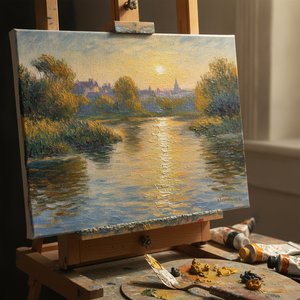
The Soul of Impressionism: Why Oil on Canvas Captures Eternal Light and Timeless Emotion
Discover the enchanting alchemy of Impressionism. Explore how the mastery of oil on canvas, through glazing and impasto, captures eternal light and emotion. Perfect for lovers of Monet and Van Gogh seeking the profound depth of hand-painted fine art.
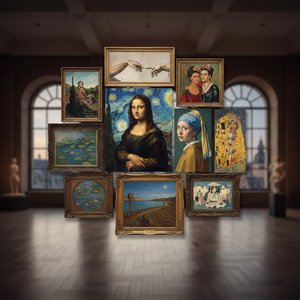
Oil on Canvas Masters: 10 Paintings That Redefined Art History |
Journey through art history with our guide to 10 legendary oil on canvas masterpieces! Explore iconic works by Van Gogh, Monet & Rembrandt. Find museum-quality reproductions and elevate your home decor at . Discover all masterpieces online.

