

 实景预览
实景预览
 发送
发送 分享
分享
 详情
详情 指南
指南

 下载图片
下载图片
 相似作品
相似作品 X射线
X射线 幻灯片播放
幻灯片播放 统计数据
统计数据Pumpkin field


 阅读全文
阅读全文
艺术微喷/版画
博物馆级艺术微喷或帆布版画,制作高效,并提供多种饰面选择。 ( 订购此收藏品的纯手工复刻画作 切换至数字图像销售渠道)




































您可以从与原作比例一致的预设尺寸中进行选择。

请输入您所需的宽度和高度,以适配您的画框或墙面。由于印刷品只能进行裁剪,无法超出原图尺寸,因此若比例不一致,画面的一部分将会被裁切。在正式印刷之前,我们会为您发送一份数字效果图供您确认。本页面显示的图片并非最终裁剪后的效果——只有效果图才能展示真实的裁剪情况。


 玻璃选项仅适用于110厘米以下的尺寸。

Pumpkin field
艺术微喷/版画
复刻品尺寸说明
-


总计金额
¥ 538
艺术家简介
A Life Immersed in Landscape: The World of Richard Alfred Eugen Jettel
Richard Alfred Eugen Jettel, a name perhaps less immediately recognizable than some of his contemporaries within the Vienna Secession, nevertheless occupies a crucial position in understanding the transition from traditional landscape painting to the burgeoning artistic currents of late 19th-century Europe. Born in 1845 in what is now Croatia – then part of Austria-Hungary – Jettel’s life was one dedicated to capturing the serene beauty and atmospheric nuances of the natural world. His journey, spanning Vienna, Paris, and his beloved Istria, reflects a fascinating interplay between academic training, Impressionistic influence, and a commitment to forging a distinctly personal artistic vision. From humble beginnings in a family connected to industry – his father was an ironworks administrator – Jettel’s path led him towards the canvas, beginning formal studies at the Vienna Academy of Fine Arts in 1860 under Albert Zimmermann. This early exposure fostered connections with future artists like Emil Jakob Schindler and Robert Russ, nurturing an appreciation for the Barbizon School's naturalistic approach that would profoundly shape his artistic development.Parisian Light and the Embrace of Impressionism
The year 1873 marked a pivotal moment in Jettel’s career: his move to Paris, secured through a contract with the influential art dealer Charles Sedelmeyer. This relocation wasn't merely a change of scenery; it was an immersion into the heart of the avant-garde. The Parisian art scene, vibrant and brimming with innovation, proved transformative for Jettel. He absorbed the techniques and philosophies of Impressionism, moving away from strictly academic renderings towards capturing fleeting moments of light and atmosphere. His landscapes began to exhibit a looser brushstroke, a heightened sensitivity to color, and a focus on conveying the *feeling* of a place rather than simply its topographical accuracy. This period saw Jettel’s reputation grow, with regular exhibitions at prestigious salons like the Salon des Champs-Elysées and the Salon du Champ-de-Mars. He became known for his Barbizon-inspired scenes – tranquil portrayals of rural life imbued with textured brushwork and a palpable sense of serenity. While in Paris, Jettel also served as a teacher to Émile Barau, further demonstrating his influence within the artistic community.Return to Vienna and Secessionist Affiliations
Despite his success in France, Jettel eventually returned to Vienna in 1897, inheriting wealth that afforded him the freedom to dedicate himself entirely to his art. This return coincided with a period of significant upheaval and innovation within the Austrian art world. The formation of the Vienna Secession – a group of artists rebelling against the conservative constraints of the established Academy – offered Jettel a new platform for artistic expression. He became a founding member, aligning himself with a movement that championed artistic freedom and embraced modern aesthetics. While his style didn’t radically depart from his earlier Impressionistic leanings, his Secessionist affiliation signaled a commitment to challenging convention and exploring new avenues of artistic inquiry. His involvement solidified his position as a significant figure in Austrian modern art, bridging the gap between traditional landscape painting and the emerging avant-garde.A Legacy Etched in Landscape
Throughout his career, Jettel remained steadfastly devoted to landscape painting. Whether depicting rolling hills, dense forests, tranquil bodies of water, or scenes of rural life, his works consistently conveyed a sense of harmony between humanity and nature. Notable examples like “River Landscape” and “Mountainous Landscape” exemplify this enduring theme. He received numerous accolades throughout his career, including Gold Medals in Munich (1874), Vienna (1877), and at the Paris World’s Fair (1889), culminating in his knighthood into the Légion d'honneur in 1898. Jettel’s influence extended beyond his immediate circle; artists like William Beattie Brown and Eugène Louis Boudin were demonstrably impacted by his style, particularly his ability to capture atmospheric effects with remarkable sensitivity. Today, his paintings are held in esteemed collections such as the Museum Galerie Würthle in Vienna, ensuring that his artistic legacy continues to inspire. Jettel’s work serves as a poignant reminder of the power of landscape painting to evoke emotion, celebrate beauty, and connect us to the natural world – a testament to a life lived immersed in its captivating embrace.
Richard Alfred Eugen Jettel
1845 - 1901 , Croatia
快速概览
- Full Name: Richard Alfred Eugen Jettel
- Nationality: Austrian/Croatian
- Date Of Birth: 1845
- Date Of Death: 1901
- Place Of Birth: Vienna, Croatia
- Notable Artworks:
- River Landscape
- Mountainous Landscape
- Pumpkin Field
- Artistic Movement Or Style:
- Vienna Secession
- Impressionism
- Barbizon School
- Artists Who Influenced This Artist:
- Albert Zimmermann
- August von Pettenkofen
- Artists Or Movements Influenced By This Artist:
- William Beattie Brown
- Eugène Louis Boudin
- Gustav Klimt
相关文章

Impressionistic Landscapes: 10 Masterpieces That Changed Art & Decor
Journey into the heart of Impressionism! Explore 10 masterpieces by Monet, Renoir & Degas that revolutionized landscape art. Discover their stories, techniques & find museum-quality reproductions to elevate your home decor on OriginalUniqueArt.com.

浪漫主义画派的十部巨作:定义风景画的艺术传奇
探索浪漫主义风景画的巅峰!本文精选十部经典名作,带您领略莫奈、库尔贝等大师的艺术魅力。感受色彩与光影的诗意,重温自然风光的震撼。OriginalUniqueArt.com为您提供博物馆级别的艺术复制品和个性化家居装饰方案。尽在OriginalUniqueArt.com!

印象派风景画的十部巨作:定义艺术与家的和谐之境
探索印象派风景画的十部经典巨作!从莫奈到雷诺阿,揭秘大师们的技法与灵感。OriginalUniqueArt.com为您呈现高清油画复制和精选艺术品,点亮您的家居空间。立即发现更多艺术珍宝!

Evocations of Place: A Historical Journey Through Landscape Art
Explore the rich history of landscape art with OriginalUniqueArt. Discover renowned artists, movements like Impressionism & Romanticism, and expert guidance for collecting timeless pieces. Find your perfect serene escape today!
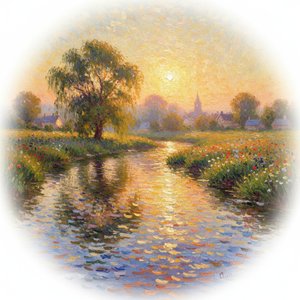
Capturing Light: A Masterclass in the Ethereal Beauty of Impressionistic Landscapes
Explore the ethereal beauty of Impressionist landscapes. Discover how masters like Monet captured fleeting light through color and texture, and learn to curate these timeless, luminous masterpieces for your home collection.