

 实景预览
实景预览
 发送
发送 分享
分享
 详情
详情 指南
指南

 下载图片
下载图片
 相似作品
相似作品 X射线
X射线 幻灯片播放
幻灯片播放 统计数据
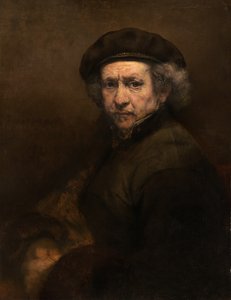
统计数据Self-portrait
 Oil On Canvas
- WallArt
- Baroque
 1632
1632- Renaissance
 64.0 x 47.0 cm
 格拉斯哥艺术画廊和博物馆
 阅读全文
阅读全文
购买高分辨率增强版数字图像,其品质远超在线预览。
每一份文件都由我们的内部专家使用先进工具与专业的后期润色技术精心打造。我们确保每一张图像都具备卓越的清晰度、精准的色彩还原度以及细腻的细节表现。
最终文件将在 72 小时内通过电子邮件交付,并针对专业、编辑及印刷用途进行了优化。其品质与顶级设计工作室、出版社和画廊所信赖的标准完全一致。
数字图像
下载高分辨率文件,用于个人展示、打印及创意项目。 ( 切换至版画销售渠道 订购此收藏品的纯手工复刻画作)
每份数字图像订单均包含的内容
专业级数字交付,品质无忧
选择 OriginalUniqueArt.com,您获得的不仅仅是一张图像——您收到的是经过专业级增强、精雕细琢的数字艺术作品,并享有满意保证。以下是您的订单中自动包含的所有内容:

即时邮件交付
您的高分辨率数字图像文件将在下单后 72 小时内通过电子邮件发送给您 —— 即可立即使用。

AI 增强型数字图像
您的艺术品经过专业优化,结合先进的 AI 技术与人工修饰,确保呈现极致的细节、清晰度与色彩准确度。

终身免费重发服务
不小心删除了文件或找不到了?没关系——我们将随时为您免费重发。

无需进口税费,始终如一
即刻拥有您的艺术作品,无需支付任何关税、税费或运费——数字下载始终免税。

色彩精准保障
我们通过专业工具与色彩管理技术,确保您的数字图像尽可能真实地还原原作色彩。

100天满意保证
如果您对所购数字图像不满意,我们将在100天内为您进行修改或提供100%的全额退款——无需任何理由。

100% 退款保证
不满意?在收到数字文件后的100天内,您可以申请全额退款——无需任何理由。

批量订购优惠
购买 3 张享 10% 折扣 - 购买 5 张享 15% 折扣 - 购买 10 张以上享 20% 折扣。非常适合创意项目、画廊及机构使用。
Self-Portrait from 1632: A Window Into Rembrandt’s Soul
Rembrandt van Rijn's Self-Portrait from 1632 stands as one of the most poignant and enduring images of the Dutch Golden Age, capturing not merely a likeness but an essence—a profound meditation on identity, aging, and artistic contemplation. More than just a depiction of a man in black attire, it’s a masterful exploration of psychological depth achieved through Rembrandt's unparalleled command of chiaroscuro, a technique that elevates the portrait beyond mere representation into a realm of emotional resonance. Located within the Glasgow Art Gallery and Museum, this oil on panel painting measures 64 x 47 cm—dimensions that convey both grandeur and intimacy simultaneously. The composition is deceptively simple: Rembrandt sits before a dark background, bathed in diffused light emanating from an unseen source, creating dramatic contrasts between illuminated flesh tones and shadowed recesses. This masterful use of light isn’t merely aesthetic; it serves as a conduit for conveying inner turmoil—a subtle suggestion of melancholy that speaks volumes about the artist's state of mind during this turbulent period of his life. The portrait itself is meticulously rendered with painstaking detail. Rembrandt’s gaze directs outwards, engaging the viewer in an unspoken dialogue—a gesture of vulnerability and self-awareness that distinguishes it from many portraits of its time. The inclusion of a black hat adorned with white lace adds formality to his appearance, yet beneath the surface lies a palpable sense of unease. His beard and mustache are rendered with remarkable accuracy, capturing the texture and contours of aging flesh—a visual reminder of mortality and the passage of time. The ruffled collar further emphasizes Rembrandt’s status as an artist, signaling both ambition and adherence to prevailing stylistic conventions.Context Within Rembrandt's Oeuvre: A Reflection of Artistic Evolution
Rembrandt produced numerous self-portraits throughout his career, each offering invaluable insights into his artistic development and personal experiences. This particular portrait marks a significant shift from his earlier works—characterized by brighter palettes and more optimistic expressions—towards a darker, more introspective aesthetic. It’s notable that Rembrandt created several similar portraits during this period, demonstrating an unwavering fascination with exploring the complexities of human psychology through visual representation. Considered alongside other self-portraits like Self-Portrait (20) housed in the Musée du Louvre, Paris, and Richard Rothwell's Self Portrait (copy after Rembrandt van Rijn) at the Ulster Museum in Ireland—all demonstrate a similar preoccupation with capturing inner emotion and psychological nuance. These works underscore Rembrandt’s commitment to portraying not just outward appearances but also the internal landscape of the artist’s consciousness. Furthermore, Rembrandt’s exploration of light and shadow—a hallmark of his style—is particularly evident in this Self-Portrait from 1632. The dramatic interplay between illumination and darkness serves as a powerful metaphor for confronting existential questions—a visual representation of the artist's wrestling with themes of vulnerability, mortality, and artistic identity. It’s a technique that anticipates the expressive innovations of later artists like Caravaggio and continues to inspire painters today.Art History Significance: A Legacy of Psychological Portraiture
Rembrandt’s Self-Portrait from 1632 occupies a pivotal position within art history—a cornerstone of the tradition of psychological portraiture that flourished during the Dutch Golden Age. Artists such as Titus van Rijn created copies after Rembrandt's works, like Discover the Masterpieces of Mauritshuis, The Hague—demonstrating a profound admiration for Rembrandt’s artistic genius and his ability to convey inner emotion through visual means. The influence of Rembrandt extends far beyond its immediate context—inspiring generations of artists who sought to emulate his mastery of technique and his unwavering commitment to exploring the human psyche. As Kenneth Clark famously remarked, “Rembrandt is with the possible exception of Van Gogh, the only artist who has made the self-portrait a major means of artistic self-expression, and he is absolutely the one who has turned self-portraiture into an autobiography.” This enduring legacy testifies to Rembrandt’s unparalleled contribution to the history of art—a testament to his ability to transform a simple depiction of a man into a profound meditation on human experience. View the painting on OriginalUniqueArt List of paintings by Rembrandt on Wikipedia Richard Rothwell's Self Portrait (copy after Rembrandt van Rijn)
问答详情
建议将 伦勃朗·凡·雷恩 的《Self-portrait》 悬挂在哪个房间?
伦勃朗·凡·雷恩 的《Self-portrait》 的推荐陈列空间为 Living Room。当然,该建议也可根据您的室内装饰进行灵活调整。
伦勃朗·凡·雷恩 的《Self-portrait》 的创作日期是哪一年?
伦勃朗·凡·雷恩 的《Self-portrait》 的创作年份为 1632。
伦勃朗·凡·雷恩 在创作《Self-portrait》时多大年纪?
当"Self-portrait"于1632创作时,出生于1606的伦勃朗·凡·雷恩正值26岁。
“Self-portrait”提供下载吗?
您可以在作品的下载页面下载伦勃朗·凡·雷恩 的《Self-portrait》,作为高分辨率数字图像下载。
"Self-portrait" 的艺术家是谁?
"Self-portrait" 的创作者是 伦勃朗·凡·雷恩。该作品以 伦勃朗·凡·雷恩 的名义编入目录。
伦勃朗·凡·雷恩 的《Self-portrait》 中描绘了哪些主题?
伦勃朗·凡·雷恩 的《Self-portrait》 中呈现的主题包括 self-portrait, dutch golden age, rembrandt, painting, oil on panel, introspection, formal attire。这些主题共同构成了该艺术作品的主旨。
哪里可以买到伦勃朗·凡·雷恩 的《Self-portrait》的手绘复制品?
伦勃朗·凡·雷恩 的《Self-portrait》 的手绘复制品可在 本网站 购买:亚麻画布手工绘制油画复制品,请通过 本页 进行订购。
艺术家简介
光影交织的一生:伦勃朗·凡·雷恩的世界
伦勃朗·哈门松·凡·雷恩,这个名字本身就是荷兰黄金时代与光影掌控力的代名词。1606年7月15日,他出生于荷兰莱顿。他的降临正值年轻共和国前所未有的繁荣与艺术蓬勃发展的时期,这种时代气候深刻地塑造了他的生命与创作。作为磨坊主哈门·格里茨松·凡·雷恩与来自面包师家庭的内尔特根·威廉斯多赫特·凡·祖伊布鲁克之子,伦勃朗在莱顿拉丁学校接受了教育,这为他日后的艺术叙事奠定了古典学习的基础。早期的艺术倾向引导他走上了学徒之路——约1620年首先跟随莱顿的雅各布·范·斯瓦纳伯格学习,随后在关键的1624年,前往阿姆斯特丹跟随彼得·拉斯曼进行了为期六个月的研习。正是拉斯曼对光影的戏剧性运用,以及那些充满历史与圣经场景的动态构图,点燃了年轻伦勃朗心中的火花,引领他走向艺术创新的道路。回到莱顿后,他与艺术家扬·李文斯共同建立了一个工作室,标志着一段非凡职业生涯的开端。
从莱顿的认可到阿姆斯特丹的拥抱
伦勃朗很快凭借其历史画作和肖像画在故乡赢得了声誉,展现出捕捉人物外貌与心理深度的早期天赋。1629年,他迎来了人生的转折点,得到了海牙宫廷诗人兼外交官康斯坦丁·雨伊根斯的赞助。这一纽带为他带来了重要的委任创作,提升了他的知名度,并为更广泛的受众打开了大门。1631年,他做出了迁往阿姆斯特丹这一重要决定,那里是当时繁忙的商业与文化中心。在这里,他的肖像画技艺立即受到追捧,吸引了无数渴望通过这位新星之手将自身形象永垂不朽的富裕客户。1634年是另一个重要的转折点,他迎娶了著名法官兼市长之女萨斯基亚·于林堡。这段婚姻不仅带来了个人幸福,也为伦勃朗提供了社会影响力与最初的经济保障,使他能够扩张工作室并承担更具雄心的项目。然而,在这一成功时期的背后,未来的苦难已悄然埋下种子;1642年萨斯基亚的不幸早逝,将在伦勃朗的一生中投下长长的阴影。
大师的演变:风格与技法
伦勃朗的艺术旅程是一场永无止境的实验与深刻演变的历程。他逐渐摆脱了当时盛行的对理想化形式的强调,转而拥抱现实主义与情感的表现力。他的早期阶段(约1625年至1635年)以细腻的细节和受拉斯曼戏剧风格影响为特征。然而,真正的巅峰出现在他跨越1630年代至1s50年代的成熟期。这一时代见证了明暗对比法——即光与影之间戏剧性的相互作用——的精湛发展,这成为了他作品的标志性特征。他不仅仅是在描绘光线;他利用光线来塑造形状、营造氛围,并揭示人物内在的精神世界。他的笔触也经历了一场变革,变得更加松散且富有表现力,传达出质感、情感与一种即时性的生命力。在随后的岁月里,从1650年代直到1669年逝世,他的调色板回归了更为沉稳的色调,专注于那些反映个人挣扎与精神沉思的亲密肖像及圣经场景。这些作品充满了深刻的内省感,以及面对人类存在复杂性的勇气。
里程碑式的创作与永恒的遗产
伦勃伦的作品集中充满了即便在几个世纪后的今天仍能震撼观众的杰作。《尼古拉斯·图尔普医生的解剖课》(1632年)作为一部开创性的群像肖像画,不仅展示了他的技术造诣,更体现了他在描绘人体解剖与人物个性方面的创新方法。《贝尔沙撒的筵席》(1635年)则是他掌控光影与构图能力的明证,以戏剧性的强度赋予圣经叙事以生命力。或许是他最著名的作品——《夜巡》(1642年)(正式名称为《弗兰斯·班宁·科克队长的第二区民兵连》),凭借其动态构图和创新的光影运用,重新定义了群像肖像画的流派。除了这些宏大作品外,伦勃朗约40幅自画像为我们提供了他衰老过程与艺术愿景的独特视觉记录,让我们得以窥见这位天才的心灵世界。他还革新了蚀刻版画技术,通过对线条与色调的精湛掌控,将其提升到了纯艺术的高度。他的影响力远超其所处时代,以创新的技法和深刻的心理洞察影响了后世无数艺术家。尽管面临着个人悲剧——包括失去萨斯基亚以及导致1656年破产的财务困境——伦勃朗的声望始终屹立不倒。他依然是荷兰艺术的基石,也是艺术天才的普遍象征,其作品至今仍能在情感深处与观众产生共鸣。
黄金时代的镜鉴
伦勃朗的作品与荷兰黄金时代的精神密不可分——那是一个由经济繁荣、思想激荡和前所未有的艺术创新所定义的时代。他通过对公民的肖像描绘、能引起虔诚信徒共鸣的戏剧性圣经场景,以及对人类普遍情感的探索,捕捉了这个时代的精髓。他的生平故事——一段交织着成功、逆境与对技艺矢志不渝的动人叙事——使他成为了艺术史上一个迷人的人物。他不仅仅是在记录周围的世界;他是在通过自身的经验与洞察力来诠释这个世界。伦勃朗对后世艺术家的影响是无法估量的,他激励了无数画家、版画家和素描家去探索光影的力量与心理现实主义。他的遗产在世界各地的博物馆与私人收藏中持续焕发生机,确保着他的杰作在未来的几个世纪里,将继续启迪并感动着一代又一代的观众。
伦勃朗·凡·雷恩
1606 - 1669 , 荷兰
概览
- Artistic Movement Or Style: 巴洛克绘画
- Artists Or Movements Influenced By This Artist: ['荷兰黄金时代']
- Artists Who Influenced This Artist:
- 皮特·拉斯曼
- 提香
- 卡拉瓦乔
- Date Of Birth: 1606年7月15日
- Date Of Death: 1669年
- Full Name: 伦勃朗·凡·雷恩
- Nationality: 荷兰人
- Notable Artworks:
- 《夜巡》
- 自画像系列
- 《巴耳撒的盛宴》
- 《解剖课》
- Place Of Birth: 荷兰莱顿