

 效果预览
效果预览
 分享
分享 分享
分享
 详情
详情 Guide
Guide

 下载
下载
 相似作品
相似作品 X射线
X射线 幻灯片播放
幻灯片播放 统计数据
统计数据Man Standing Up


 展开详情
展开详情
艺术微喷/版画
博物馆级艺术微喷或帆布版画,制作高效,并提供多种饰面选择。 ( 购买手绘画作 切换至数字图像销售渠道)




P118B $10

P118H $10

P118W $10

P438Z $10

P508JH $12

P508YH $12

P805H $10

P805Z $10

P919BZ $10

P919G $10

P919XJ $10

P959ZH $10

P968JZ $12

W106C $8

W218G $10

W218JH $8

W218Y $10

W307PJ $10

W316G $10

W316PJ $8

W316Y $10

W398PJ $8

W4111J $10

W500HY $15

W500JH $15

W692G $12

W849H $8

W940BG $15

W953PJ $8




从与原作比例一致的预设尺寸中进行选择。

您可以输入自定义尺寸,以适配特定的画框或空间。如果您选择的尺寸与原图比例不符,我们将对作品进行裁剪,或通过镜像填充/纯色填充边缘的方式来扩展图像。在开始制作之前,我们会向您发送一份数字效果图供您确认。
请注意,屏幕上的预览并不能反映实际的裁剪或扩展效果。只有效果图才能准确展示最终的构图。
虽然我们提供定制尺寸,但为了保持原图比例,我们建议您从预设列表中选择尺寸。


 玻璃选项仅适用于110厘米以下的尺寸。

Man Standing Up
艺术微喷/版画
复制品尺寸
-


最终总价
$ 80
Man Standing Up: Rembrandt’s Exploration of Dignity and Shadow
Rembrandt Harmenszoon van Rijn, a titan amongst Dutch Golden Age painters, remains an artist whose work continues to resonate with audiences centuries later. “Man Standing Up,” completed in 1632, exemplifies his unparalleled ability to distill human emotion into visual form—a feat achieved through masterful manipulation of light and shadow, cementing its place as one of Rembrandt’s most enduring achievements. This monumental canvas, measuring 124 x 98 cm, transcends mere portraiture; it delves into the complexities of character and embodies a profound contemplation on resilience and inner strength.A Symphony of Light and Darkness: Technique and Style
Rembrandt's signature technique—chiaroscuro—is vividly apparent in “Man Standing Up.” He employed this dramatic contrast between light and dark not merely for aesthetic effect, but as a crucial tool for conveying psychological depth. The artist meticulously sculpted the figure’s musculature with subtle gradations of tone, highlighting areas illuminated by candlelight while plunging others into impenetrable darkness. This technique wasn't simply about visual realism; it served to dramatize the subject’s posture and gaze, directing the viewer’s attention toward a point just off-camera—a deliberate gesture that invites speculation and imbues the portrait with an aura of mystery. The use of oil paint allowed Rembrandt to achieve unparalleled luminosity and textural richness, capturing the nuances of skin tone and fabric folds with breathtaking precision.Historical Context: Early Amsterdam and Artistic Innovation
Painted during Rembrandt’s formative years in Amsterdam—a city brimming with artistic ambition and intellectual ferment—the painting reflects the broader trends of the era. Following Pieter Lastman's influence, Rembrandt was experimenting with expressive brushstrokes and a heightened sensitivity to capturing human psychology. This period witnessed a shift away from idealized depictions toward portraits that aimed to portray individuals as they truly were – vulnerable yet dignified. The subject’s stance—a man upright, seemingly confronting an unseen challenge—mirrors the spirit of the time: a burgeoning confidence amidst uncertainty, a yearning for self-assuredness in a rapidly changing world.Symbolism and Emotional Resonance
Beyond its technical brilliance, “Man Standing Up” carries symbolic weight. The posture itself speaks to themes of perseverance and moral fortitude – qualities valued during Rembrandt’s lifetime. The man's gaze directs the viewer outward, suggesting introspection and an awareness of one's surroundings—a subtle reminder that inner strength is cultivated through engagement with life’s complexities. Furthermore, the dark background serves as a foil to the illuminated figure, emphasizing his vulnerability while simultaneously highlighting his resilience. Rembrandt skillfully communicates these ideas without resorting to explicit narrative; instead, he invites contemplation on the human condition itself.Legacy and Influence: Echoes in Contemporary Art
The Taft Museum of Art proudly houses this masterpiece, ensuring its preservation for future generations. Rembrandt’s influence extends far beyond his own time, impacting artists like Mohammed Omar Khalil Al-Din, whose “Trottoir #2” explores similar themes of solitude and contemplation – a testament to the enduring power of Rembrandt's artistic vision. Owning a high-quality reproduction allows you to experience this iconic artwork firsthand, bringing its captivating beauty and profound emotional depth into your home. Explore more reproductions at OriginalUniqueArt.com!艺术家简介
光影大师:伦勃朗·凡·莱因的一生
伦勃朗·凡·莱因(Rembrandt Harmenszoon van Rijn),一个与荷兰黄金时代紧密相连的名字,是光与影的精湛运用者。1606年7月15日,他出生于荷兰莱顿,正值年轻共和国蓬勃发展、艺术繁荣的时期。他的父亲哈门·格里茨松·凡·莱因是一位面粉厂主,母亲内尔特根·威廉斯多赫特·凡·祖伊布鲁克来自面包师家庭。伦勃朗接受了莱顿拉丁学校的教育,这为他日后艺术叙事中古典学习的微妙影响奠定了基础。早期的艺术天赋促使他先在1620年跟随雅各布·范·斯瓦纳伯格学徒,随后于1624年在阿姆斯特丹跟随彼得·拉斯曼学习了六个月。正是拉斯曼对光影的戏剧性运用、充满历史和圣经场景的动态构图,点燃了年轻伦勃朗心中的艺术创新之火,并引领他走向独特的艺术之路。回到莱顿后,他与另一位艺术家扬·李文斯共同建立了一个工作室,标志着他非凡职业生涯的开始。从莱顿的认可到阿姆斯特丹的拥抱
伦勃朗很快在自己的家乡获得了认可,以其历史画作和肖像画而闻名,展现了他早期捕捉人物外貌和心理深度才华。一个关键时刻出现在1629年,他得到了诗人兼外交官康斯坦丁·雨伊根斯的赞助。这一联系确保了委托,提升了他的知名度,并为更广泛的受众打开了大门。1631年,他做出了搬到阿姆斯特丹的重要决定——一个繁荣的商业和文化中心。在这里,他的肖像画技巧立即受到追捧,吸引了渴望将自己的形象永垂不朽的富裕客户。1634年标志着另一个重要转折点,他与市长之女萨斯基亚·于林堡结婚。这段婚姻不仅带来了个人幸福,也为伦勃朗提供了社会影响力以及最初的经济保障,使他能够扩大工作室并承担更雄心勃勃的项目。然而,未来困境的种子也在这一成功时期悄然埋下;萨斯基亚的不幸早逝将在伦勃朗的一生中投下长长的阴影。光与影的魔术师:风格与技法
伦勃朗的艺术之旅是一段无止境的实验和深刻演变的旅程。他逐渐摆脱了对理想化形式的强调,转而拥抱现实主义和情感表现力来描绘人物。大约从1625年到1635年的早期时期,他的作品以一丝不苟的细节和来自拉斯曼戏剧风格的影响为特征。然而,在1630年代至1650年代跨越的成熟期,伦勃朗真正展现了他的才华。这一时代见证了 *明暗对比法*(chiaroscuro)——光与影之间戏剧性的相互作用——的精湛发展,这成为了他作品的标志性特征。他不仅仅是描绘光线;他利用它来塑造形状、创造氛围,并揭示他所描绘人物的内心世界。他的笔触也经历了转变,变得更加松散和富有表现力,传达出质感、情感和一种紧迫感。从1650年代到1669年去世前的几年里,调色板回归了更为柔和的色彩,重点放在反映个人挣扎和精神沉思的亲密肖像画和圣经场景上。这些作品标志着深刻的反省和对人类存在复杂性的意愿。杰作与持久的遗产
伦勃朗的作品充满了几个世纪以来继续吸引观众的杰作。《医学院解剖课》(The Anatomy Lesson of Dr. Nicolaes Tulp,1632年)不仅展示了他的技术技巧,还通过其创新的人体解剖学描绘和人物性格表现,重新定义了集体肖像画的界限。巴尔萨撒的盛宴(Belshazzar's Feast,1635年)见证了他对光、阴影和构图的大师级运用,以戏剧性的强度将圣经叙事栩栩如生。《夜巡》(The Night Watch,1642年),正式名称为 *弗朗斯·班尼克·科克上尉指挥的第二区民兵公司*,凭借其动态的构图和创新的照明技术,重新定义了集体肖像画的类型。除了这些大型作品外,伦勃朗大约 40 幅自画像提供了一个独特的视觉记录,描绘了他衰老的历程和艺术愿景,为我们提供了对天才头脑的无与伦比的洞察力。他还彻底改变了版画技术,通过他对手法和色调的精湛掌握,将它提升到一种高级艺术形式。他的影响远远超出了他自己的时代,激励了无数代艺术家探索光、阴影和心理现实的力量。尽管面临个人悲剧——包括萨斯基亚的去世以及导致 1656 年破产的财务困难——伦勃朗的名声依然存在。他仍然是荷兰艺术的重要支柱,也是艺术天才的普遍象征,他的作品将继续激励和感动世界各地的观众。黄金时代的镜子
伦勃朗的作品与荷兰黄金时代的精神密不可分——这是一个以经济繁荣、知识蓬勃发展和前所未有的艺术创新为特征的时代。他通过对公民的肖像画、能够引起宗教受众共鸣的戏剧性圣经场景以及对普遍人类情感的探索,捕捉了这一时期的精髓。他的生活故事——一个关于成功、逆境和坚定奉献于技艺的引人入胜的故事——使他成为艺术史上迷人的人物。他不仅仅是在记录周围的世界;他正通过自己经历和见解的视角来诠释它。 伦勃朗对后世艺术家的影响是不可估量的,激励了无数画家、版画师和素描家探索光、阴影和心理现实的力量。他的遗产在世界各地的博物馆和私人收藏中继续蓬勃发展,确保了他的杰作将继续激励和感动观众几个世纪。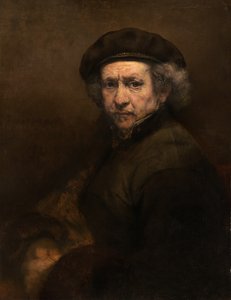
伦勃朗·凡·雷恩
1606 - 1669 , 荷兰
艺术家简介
- Artistic Movement Or Style: 巴洛克绘画
- Artists Or Movements Influenced By This Artist: ['荷兰黄金时代']
- Artists Who Influenced This Artist:
- 皮特·拉斯曼
- 提香
- 卡拉瓦乔
- Date Of Birth: 1606年7月15日
- Date Of Death: 1669年
- Full Name: 伦勃朗·凡·雷恩
- Nationality: 荷兰人
- Notable Artworks:
- 《夜巡》
- 自画像系列
- 《巴耳撒的盛宴》
- 《解剖课》
- Place Of Birth: 荷兰莱顿
相关文章

Dutch Baroque Masters: 10 Paintings That Shaped an Era | OriginalUniqueArt
Journey through the Golden Age with our guide to the Top 10 Dutch Baroque masterpieces! Explore iconic paintings by Rembrandt, Vermeer & Frans Hals. Find museum-quality art reproductions and elevate your home decor at OriginalUniqueArt.com.

荷兰黄金时代:十幅定义艺术史的巨作 | OriginalUniqueArt
探索荷兰黄金时代的艺术巅峰! 伦勃朗、维米尔等大师名作,带您领略巴洛克艺术的辉煌。高清画作、博物馆级品质,点亮您的家居空间。OriginalUniqueArt.com 提供精选艺术复制品和定制装饰方案。立即在线探索全系列!

Golden Light & Dutch Skies: The Timeless Magic of Dutch Golden Age Landscapes
Discover the breathtaking beauty of Dutch Golden Age landscapes. Explore the mastery of light, chiaroscuro, and 17th-century realism through an expert art history lens, celebrating the enduring legacy of the Dutch Masters for discerning collectors and art lovers.

Rembrandt van Rijn: A Life Illuminated – Innovation, Emotion, and the Dutch Golden Age
Explore the life & art of Rembrandt van Rijn, a Dutch Golden Age master. Discover his innovative techniques, iconic paintings like 'The Night Watch', and enduring legacy. Expert insights for collectors & enthusiasts.

伦勃朗25幅杰作:光影大师的艺术传奇与家居臻选
探索伦勃朗25幅杰作,领略荷兰黄金时代光影大师的艺术传奇!从《夜巡》到自画像,深入了解巴洛克艺术、历史绘画与人物肖像背后的故事。OriginalUniqueArt.com提供高清艺术复制品及家居装饰灵感。立即探索完整系列!


