

 实景预览
实景预览
 发送
发送 分享
分享
 详情
详情 指南
指南

 下载图片
下载图片
 相似作品
相似作品 X射线
X射线 幻灯片播放
幻灯片播放 统计数据
统计数据Self-portrait


 阅读全文
阅读全文
手工油画复制品
由我们的艺术家按需定制,为您提供您所选尺寸及画框的布面手工油画。 ( 切换至版画销售渠道 切换至数字图像销售渠道)




P118B ¥10

P118H ¥10

P118W ¥10

P438Z ¥10

P508JH ¥12

P508YH ¥12

P805H ¥10

P805Z ¥10

P919BZ ¥10

P919G ¥10

P919XJ ¥10

P959ZH ¥10

P968JZ ¥12

W106C ¥8

W218G ¥10

W218JH ¥8

W218Y ¥10

W307PJ ¥10

W316G ¥10

W316PJ ¥8

W316Y ¥10

W398PJ ¥8

W4111J ¥10

W500HY ¥15

W500JH ¥15

W692G ¥12

W849H ¥8

W940BG ¥15

W953PJ ¥8




您可以从与原作比例一致的预设尺寸中进行选择。

请输入您需要的宽度和高度,以适配您的画框或墙面。由于作品为手工绘制,若您选择不同的尺寸比例,艺术家可能会在画面边缘多画一些或稍作裁剪 —— 由您决定。在开始绘画之前,我们会为您发送一份数字效果图供您确认。本页面上展示的图片并非最终实物 —— 只有效果图才能反映真实结果。
下单后,OriginalUniqueArt.com 团队将通过电子邮件联系客户获取具体要求,并提供效果预览图


 玻璃选项仅适用于110厘米以下的尺寸。

Self-portrait
复制品材质
复刻品尺寸说明
-


总计金额
¥ 2017
A Window into the Soul: Rembrandt Peale’s “Self-Portrait”
Rembrandt Peale's "Self-Portrait," executed in 1629, is more than just a likeness; it’s a profound meditation on identity, ambition, and the burgeoning spirit of early America. Created during a period of immense artistic ferment – mirroring the European masters while simultaneously forging a distinctly American style – this etching offers a remarkably intimate glimpse into the mind of a man poised to become a pivotal figure in the nation's cultural landscape. The portrait itself is deceptively simple: a young Peale, dressed in dark attire and adorned with a stylish hat, gazes directly at the viewer with an expression that balances quiet contemplation and determined resolve.
The technical mastery on display is immediately striking. Peale’s skill as an engraver is evident in the meticulous rendering of textures – from the smooth fabric of his coat to the intricate details of his hair. He employs a sophisticated range of hatching and cross-hatching, techniques borrowed from Northern European masters like Rembrandt himself, to create subtle gradations of tone and volume. These lines aren’t merely decorative; they are carefully orchestrated to define form, suggest shadow, and imbue the portrait with a remarkable sense of depth and realism. The stark contrast between light and dark – a hallmark of his style – draws attention to key features, particularly the eyes, which seem to hold both intelligence and vulnerability.
The Legacy of Charles Willson Peale
Understanding “Self-Portrait” requires acknowledging its context within the life and career of Charles Willson Peale. As a painter, museum founder, and ardent naturalist, Peale was deeply invested in promoting art and science to the American public. His ambition wasn’t simply to create beautiful images; he sought to educate, inspire, and foster a sense of national pride through artistic representation. Rembrandt Peale, his son, inherited this legacy, absorbing his father's passion for portraiture and his belief in art’s power to shape society. The young Rembrandt clearly aimed to emulate his father’s success, establishing himself as a leading portraitist within the rapidly evolving American art scene.
The portrait itself can be seen as a deliberate statement of intent – a visual declaration of Peale's artistic aspirations and his commitment to upholding a tradition of excellence. It reflects not only his personal ambitions but also the broader cultural values of the time, where self-representation was increasingly valued as a means of asserting one’s identity and status.
Symbolism and the Portraiture of Identity
While the portrait appears straightforward, it's rich with subtle symbolic elements. The hat, fashionable for the period, suggests sophistication and social standing. The dark clothing, often associated with seriousness and introspection, reinforces the sense of thoughtful contemplation. However, the most compelling aspect is Peale’s gaze – direct and unwavering – which invites a connection between the artist and the viewer. This directness was considered crucial in portraiture; it demanded engagement and fostered a feeling of intimacy.
Furthermore, the oval border framing the image—a common device in portraits of this era—creates a sense of formality and timelessness. It elevates the subject to an almost iconic status, suggesting that Peale intended his self-portrait to be more than just a likeness; it was meant to embody a particular ideal of masculinity and artistic achievement.
A Timeless Masterpiece – Reimagined
Today, “Self-Portrait” stands as a testament to the remarkable talent of Rembrandt Peale and a vital document in the history of American art. Its enduring appeal lies not only in its technical brilliance but also in its profound exploration of human identity. If you’re seeking a piece that embodies both artistic skill and emotional resonance, consider commissioning a high-quality reproduction from OriginalUniqueArt.com. These meticulously crafted reproductions capture the essence of Peale's original work, allowing you to bring this timeless masterpiece into your home or office – a window into the soul of an artist and a pivotal moment in American history.
问答详情
下单前可以预览 伦勃特·皮尔 (Lúnbó Tè · Pí'Ěr) 的《Self-portrait》 吗?
若要预览 伦勃特·皮尔 (Lúnbó Tè · Pí'Ěr) 的《Self-portrait》 复制品的详情,请打开该作品的 预览 页面。
伦勃特·皮尔 (Lúnbó Tè · Pí'Ěr) 的《Self-portrait》 中描绘了哪些主题?
伦勃特·皮尔 (Lúnbó Tè · Pí'Ěr) 的《Self-portrait》 描绘了:portrait, self-portrait, etching, black & white, realism, dutch art, rembrandt peale, 18th century。
伦勃特·皮尔 (Lúnbó Tè · Pí'Ěr) 的《Self-portrait》 的色彩基调是什么?
"Self-portrait" 的色彩基调由以 Espresso (#46443e) 为主的 Neutrals 色系构成。
艺术家简介
早期生活与艺术启蒙
伦勃朗·皮尔(Rembrandt Peale),1778年出生于宾夕法尼亚州的巴克斯县,成长在一个深深扎根于美国早期蓬勃发展的艺术环境的家庭中。他的父亲查尔斯·威尔逊·皮尔不仅仅是一位艺术家,更是一种文化力量——一位画家、博物馆创始人,以及坚信艺术具有塑造国家认同力的热情人士。正是在这种充满活力的环境中,年轻的伦勃朗接受了最初的训练,与他的兄弟姐妹们一起,从父亲熟练的手中学习肖像画和风景画技巧。赋予他“伦勃朗”这个名字本身,就呼应着荷兰大师哈曼松·凡·莱因,象征着查尔斯·威尔逊·皮尔对儿子的期望——希望他能够传承一种卓越的艺术传统。从一个令人惊讶的年龄开始,伦勃朗便展现出非凡的天赋,仅仅十三岁时就完成了他的第一幅自画像,这件作品已经预示了他成熟风格中那种精确和雄心壮志。这幅早期的作品不仅仅是对技术技能的展示;更是一份意图声明,一位年轻的艺术家宣告了他的美国艺术舞台的存在。新古典主义的影响与巴黎时期
伦勃朗·皮尔的艺术之旅在他三十岁出头的年纪带他来到了巴黎,这是一个关键的经历,深刻地塑造了他的美学敏感性。沉浸在欧洲文化的中心,他遇到了当时盛行的法国新古典主义——一种强调秩序、清晰和回归古典理想的风格。这种影响显而易见于皮尔后来的作品中,其特点是精致的草图技巧、平衡的构图以及对细节一丝不苟的关注。虽然他的父亲的肖像画通常具有某种质朴的活力,但伦勃朗的作品则倾向于更抛光和理想化的表现手法。正是在这个时期,他采用了古蜡法(encaustic technique),一种利用蜡作为媒介的古代方法,表明了他致力于探索绘画创新方法的决心。然而,皮尔并没有简单地模仿欧洲风格;他将它们适应到美国语境中,创作出既美学上令人愉悦又具有历史意义的作品。他对捕捉准确肖像的奉献精神,结合他的新古典主义训练,使他能够创造出象征着国家不断演变的认同感和对文化独立的渴望的图像。一位多产的肖像画家:记录一个时代
伦勃朗·皮尔的职业生涯异常多产,其特点是对艺术完美的不懈追求以及致力于记录他那个时代的杰出人物。他因其乔治·华盛顿的肖像画而闻名,创作了超过七十幅他的标志性“祖国之父”(Patriae Pater)的复制品。这些图像不仅仅是物理外观的表现;它们是精心构建的国家自豪感和领导力的象征。皮尔理解肖像画塑造公众认知并为集体记忆做出贡献的力量。除了华盛顿,他还绘制了众多其他有影响力的人物,包括托马斯·杰斐逊、约翰·卡尔霍恩以及美国精英阶层中的各种成员。他的肖像画不仅限于政治人物;他还捕捉普通公民的形象,一瞥日常美国人的生活和愿望。《留着胡须的男子》(Man with a Beard),虽然年代不详,但体现了他捕捉个人性格和心理深度的技巧。每一笔都不仅仅揭示了物理特征,还暗示了坐姿者的内在世界。超越画布:皮尔博物馆与持久遗产
伦勃朗·皮尔的贡献超出了绘画领域;他是一位富有远见的博物馆创始人,致力于教育公众和促进艺术欣赏。1814年,他在马里兰州巴尔的摩建立了他的第一个博物馆——一个开创性的机构,为许多现代艺术博物馆的前身。这不仅仅是展示艺术品的画廊;它被设想为一个学习中心,提供绘画、雕塑和自然历史标本展览。这座博物馆后来成为巴尔的摩市第二座市政厅,然后被修复成皮尔博物馆,延续了他通过艺术服务公众的遗产。他对让所有人都能接触到艺术的承诺反映了对艺术变革力量的深刻信念。今天,伦勃朗·皮尔的作品收藏在世界各地的著名机构中,包括华盛顿特区国家肖像画廊,并继续因其历史意义和艺术价值而受到赞扬。他的影响体现在后代美国肖像画家的作品中,巩固了他在美国艺术史上的关键地位。持久的印象
伦勃朗·皮尔的一生致力于艺术创作和文化丰富。他不仅仅是一位画家;更是一位历史学家、教育家和美国认同感的倡导者。他的肖像画为了解那个时代的人格和价值观提供了宝贵的见解,而他的博物馆则成为一个快速变化的国家的启蒙灯塔。他的遗产不仅体现在他众多的艺术作品中,还体现在他的先锋精神和他对艺术力量的坚定承诺中。 他留下的作品继续激励着今天的观众,提醒我们保护我们的文化遗产和庆祝前人的成就的重要性。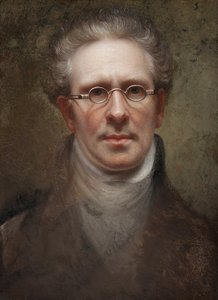
伦勃特·皮尔 (Lúnbó Tè · Pí'Ěr)
1778 - 1860 , 美国
快速概览
- Artistic Movement Or Style: 新古典主义
- Artists Who Influenced This Artist: ['伦勃朗·凡·莱因']
- Date Of Birth: 1778年2月22日
- Date Of Death: 1860年
- Full Name: 伦勃朗·皮尔
- Nationality: 美国人
- Notable Artworks:
- 华盛顿画像(圆孔型)
- 留胡须男子肖像
- 约翰·皮尔波特肖像
- Place Of Birth (City And Country): 宾夕法尼亚州巴克斯县,美国
相关文章

伦勃朗25幅杰作:光影大师的艺术传奇与家居臻选
探索伦勃朗25幅杰作,领略荷兰黄金时代光影大师的艺术传奇!从《夜巡》到自画像,深入了解巴洛克艺术、历史绘画与人物肖像背后的故事。OriginalUniqueArt.com提供高清艺术复制品及家居装饰灵感。立即探索完整系列!

蝕刻艺术的历史巡礼:技法、美学特征与持久的艺术意义
深入探索蚀刻艺术的历史、技法与大师之作。专业分析光影线条美学,了解伦勃朗、丢勒等大师的创作秘诀。OriginalUniqueArt.com为您提供高品质油画复制和定制服务,重现经典艺术!

Dark Masterpieces: 10 Iconic Paintings Dominated by Black Tones |
Explore 10 iconic paintings dominated by black tones, from Rembrandt’s chiaroscuro to Goya's dark expressions. Discover the stories behind these masterpieces & find museum-quality art reproductions for your home at .
Etching Masters: 10 Legendary Prints That Revolutionized Art | OriginalUniqueArt
Journey through 10 legendary etching masterpieces by Rembrandt, Dürer & Goya. Explore the history of printmaking and discover timeless art for your home. Find museum-quality reproductions at OriginalUniqueArt.com.

The Intricate World of Etching: A Historical Survey of Technique, Aesthetic Evolution, and Enduring Artistic Impact
Explore the rich history of etching, from its origins to modern practice. Discover techniques, key artists like Rembrandt, and insights for collectors. A comprehensive guide by OriginalUniqueArt.