
 实景预览
实景预览
 分享
分享 分享
分享
 详情
详情 指南
指南

 下载作品
下载作品
 相似作品
相似作品 X射线
X射线 幻灯片播放
幻灯片播放 问答
问答 统计数据
统计数据Still Life, Strawberries and Nuts

- 1822.0 x 1822.0 cm


 展开全文
展开全文
艺术微喷/版画
博物馆级艺术微喷或帆布版画,制作高效,并提供多种饰面选择。 ( 订购纯手工绘制画作 切换至数字图像销售渠道)




P118B ¥10

P118H ¥10

P118W ¥10

P438Z ¥10

P508JH ¥12

P508YH ¥12

P805H ¥10

P805Z ¥10

P919BZ ¥10

P919G ¥10

P919XJ ¥10

P959ZH ¥10

P968JZ ¥12

W106C ¥8

W218G ¥10

W218JH ¥8

W218Y ¥10

W307PJ ¥10

W316G ¥10

W316PJ ¥8

W316Y ¥10

W398PJ ¥8

W4111J ¥10

W500HY ¥15

W500JH ¥15

W692G ¥12

W849H ¥8

W940BG ¥15

W953PJ ¥8




您可以从与原作比例一致的预设尺寸中进行选择。

请输入您所需的宽度和高度,以适配您的画框或墙面。由于印刷品只能进行裁剪,无法超出原图尺寸,因此若比例不一致,画面的一部分将会被裁切。在正式印刷之前,我们会为您发送一份数字效果图供您确认。本页面显示的图片并非最终裁剪后的效果——只有效果图才能展示真实的裁剪情况。


 玻璃选项仅适用于110厘米以下的尺寸。

Still Life, Strawberries and Nuts
艺术微喷/版画
复刻品尺寸
-


最终结算价
¥ 543
Raphaelle Peale’s “Still Life, Strawberries and Nuts”: A Window into Early American Domesticity
Raphaelle Peale's "Still Life, Strawberries and Nuts," painted in 1822, is more than just a depiction of fruit and nuts; it’s a meticulously crafted snapshot of early 19th-century American domestic life. Born into the renowned Peale family – a lineage deeply intertwined with natural history and artistic legacy – Raphaelle inherited a profound appreciation for observation and detail, qualities that he brought to bear on his still lifes with remarkable precision. This particular work, housed within the Art Institute of Chicago, offers a rare glimpse into the refined tastes and burgeoning aesthetic sensibilities of the era, showcasing a deliberate departure from the prevailing trends in European art.
Peale’s style is distinctly influenced by the Spanish masters, particularly their penchant for dramatic lighting and carefully arranged compositions. He eschewed the overly ornate or sentimental approaches favored by some of his contemporaries, opting instead for a restrained elegance characterized by crisp forms, balanced arrangements, and a subtle interplay of light and shadow. The painting's palette is dominated by earthy tones – rich browns, deep reds, and muted greens – creating a sense of warmth and intimacy. The arrangement itself—a carefully curated selection of strawberries, nuts, citrus fruits, and a porcelain bowl—is not merely decorative; it speaks to the abundance and prosperity enjoyed by many American households at the time. The inclusion of Chinese export porcelain, a highly prized luxury item, further underscores this sense of affluence and connection to global trade.
The Language of Still Life: Symbolism and Meaning
Still life painting during Peale’s era was deeply rooted in symbolism. Objects were not simply presented for their visual appeal but carefully chosen to convey specific meanings – often religious, moral, or philosophical. Peale's work is no exception; the arrangement of fruits and nuts can be interpreted as a meditation on mortality, abundance, and the fleeting nature of beauty. The presence of raisins, for instance, symbolizes decay and the passage of time, while the vibrant strawberries evoke notions of fertility and renewal. The careful placement of each element within the composition suggests a deliberate attempt to create a harmonious balance between these contrasting themes.
Furthermore, Peale’s choice of objects reflects the evolving role of women in American society. The abundance of fruits and nuts—items typically associated with domesticity and nurturing—can be seen as a subtle celebration of female labor and responsibility within the home. The inclusion of a bowl, a central element in still life arrangements, further emphasizes this theme, suggesting a focus on caretaking and hospitality. It’s important to note that Peale's work was created during a period when women were increasingly excluded from formal artistic training; his meticulous attention to detail and masterful technique served as a powerful assertion of their creative potential.
A Trompe-l'œil Masterpiece: Deception and Illusion
What truly elevates “Still Life, Strawberries and Nuts” is Peale’s daring use of *trompe-l'œil*, or illusionistic painting. The arrangement appears to spill out from the canvas itself, creating a convincing sense of depth and realism. The subtle suggestion of a napkin partially covering a Venus figure adds an element of mystery and intrigue, challenging the viewer to question what is real and what is merely a representation. This technique was particularly innovative for its time, demonstrating Peale’s mastery of perspective and his willingness to push the boundaries of traditional still life painting.
The deliberate concealment of the Venus figure—a nod to classical mythology—is not simply decorative; it serves as a commentary on the idealized image of womanhood prevalent in 19th-century America. By partially obscuring her form, Peale invites the viewer to contemplate the complexities and contradictions inherent in representations of female beauty. The painting’s overall effect is both captivating and thought-provoking, inviting repeated viewing and careful consideration.
Collecting a Legacy: Reproduction and Appreciation
Today, “Still Life, Strawberries and Nuts” stands as a testament to Raphaelle Peale's pioneering role in American art. Its meticulous detail, evocative symbolism, and innovative use of *trompe-l'œil* continue to fascinate viewers and inspire artists alike. High-quality reproductions capture the painting’s rich colors and subtle nuances, allowing art lovers to appreciate its beauty and complexity from afar. Whether displayed as a centerpiece in a formal dining room or incorporated into a curated collection of American still lifes, Peale’s masterpiece offers a timeless glimpse into a bygone era—a reminder of the enduring power of observation, artistry, and the quiet beauty of everyday life.
常见问题与解答
哪里可以买到拉斐尔·皮尔 的《Still Life, Strawberries and Nuts》的手绘复制品?
您可以通过亚麻画布手工油画复制品来订购《Still Life, Strawberries and Nuts》的手绘复制品。您可以前往其手工油画复刻页面进行下单,并根据需求选择不同的尺寸。
"Still Life, Strawberries and Nuts" 属于哪种艺术风格?
拉斐尔·皮尔 的《Still Life, Strawberries and Nuts》 所属的艺术流派为 American Still Life。这一分类将该作品置于相关艺术家及艺术作品的语境之中。
拉斐尔·皮尔 的《Still Life, Strawberries and Nuts》 属于哪种艺术流派,又处于哪个时代?
拉斐尔·皮尔 的《Still Life, Strawberries and Nuts》 属于 American Still Life 流派,创作于其作者的 19世纪 时期。
艺术家简介
美国静物画的先驱
在19世纪初期美国艺术蓬勃发展的版图中,肖像画曾作为彰显地位与传承遗产的主要手段而占据统治地位,然而,拉斐尔·皮尔却敢于将目光转向那些寂静、且往往被忽视的无生命之物的美感。1774年出生于安纳波利斯的皮尔不仅是一位画家,更是一位开拓者,他在那个年轻国家的艺术版图中开辟出了一个此前一直被忽视的专业领域。作为传奇人物查尔斯·威尔逊·皮尔之子,他的生命轨迹本身就与美国科学与艺术发现的脉动紧密相连。在美洲最具影响力的艺术家族之一的熏陶下成长,拉斐尔沉浸在一种将细致入微的观察视为精湛艺术与科学必然要求的环境之中。
他的早期训练深深植根于自然主义与匠心工艺的双重传统。在父亲严谨的注视下,皮尔学会了透过极其细腻的视角去审视世界,这种技能后来成为了他成熟风格的标志。尽管他的兄弟姐妹们大多投身于医学或自然史领域,拉斐尔却将这种继承而来的记录热情注入到了布面油画之中。他并不满足于仅仅表现物体,而是力求升华它们。通过聚焦于水果的质感、瓷器的光泽以及有机物质微妙的腐朽过程,他为转瞬即逝的事物赋予了一种永恒感,将简单的厨房器皿转化为了高雅艺术的主题。
纹理与错视画的精妙掌控
皮尔作品真正的卓越之处在于他对光影与表面的技术驾驭。他成为了错视画(trompe l'oeil)的大师——这种旨在“欺骗眼睛”的技法,创造出了如此令人信服的幻象,以至于观众常常忍不住想要伸手去触摸画面中的物体。他的构图,例如那些描绘桃子、葡萄干或鱼类的作品,是对触觉现实的深刻研究。通过对透明色层与阴影的高超运用,人们几乎可以透过画布感受到成熟桃子那如天鹅绒般的表皮,或是陶瓷水壶那冰凉而光滑的表面。
皮尔风格的发展深受欧洲传统的影响,尤其是那些早已臻于化境的西班牙静物画大师。通过将这种旧世界的精致感与独特的美国感性相结合,他创作出了既具有全球视野又扎根于本土情怀的作品。他的绘画作品通常具备以下特征:
- 极致的细节:一种对捕捉自然界微小瑕疵的坚定追求,从苹果上细小的斑点到叶片中纤细的脉络,无一遗漏。
- 戏剧性的光影:运用明暗对照法将主体从深邃、富有氛围感的背景中拉向前方,赋予每个物体一种雕塑般的立体感。
- 构图的平衡:通过对元素的精心排列,引导观众的视线穿梭于一场关于丰饶与死亡的无声且沉思的叙事之中。
美国艺术史上的持久遗产
尽管他的艺术生涯相对短暂,止于1825年的逝世,但拉斐尔·皮尔对美国艺术发展轨迹的影响绝不容小觑。他打破了肖像画的垄断,证明了日常事物与自然主义题材同样值得最高水平的艺术奉献。通过这种方式,他为后世一代又一代追随其足迹、探索丰饶、衰败与平凡之美的美国静物画家奠定了基石。
时至今日,皮尔不仅作为名门之后被铭记,更作为一个拥有在微小事物中发现伟大的勇气的独特天才而被传颂。他的作品依然是美国历史上那段国家仍在定义其视觉身份时期的重要见证。通过他的画笔,篮子里简单的物品或桌面上的朴素陈设,都成为了一个新兴文化能够观察、欣赏并使周围世界永恒化的持久象征。

拉斐尔·皮尔
1774 - 1825 , 美国
艺术家简介
- Artistic Movement Or Style: 静物画
- Artists Or Movements Influenced By This Artist: ['西班牙大师']
- Artists Who Influenced This Artist: ['查尔斯·威尔逊·皮尔']
- Date Of Birth: 1774年2月17日
- Date Of Death: 1825年3月4日
- Full Name: 拉斐尔·皮尔
- Nationality: 美国
- Notable Artworks:
- 带有葡萄、黄苹果和红苹果的瓷篮静物画
- 带有水罐和鱼的静物画
- Place Of Birth: 美国,安纳波利斯
相关文章
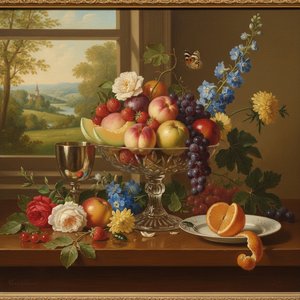
Severin Roesen: Evoking National Identity Through American Still Life Painting
Explore the captivating world of Severin Roesen, a major American still life painter influenced by Dutch masters. Discover his lush compositions and the symbolism within his art – a window into 19th-century America.

The Bountiful Still Life: Symbolism & Artistic Representation of Fruit Across Art History
Explore the rich history of still life painting & the symbolism of fruit across art movements. Discover masterpieces from Caravaggio to Cézanne with OriginalUniqueArt – expert guidance & museum-quality reproductions.
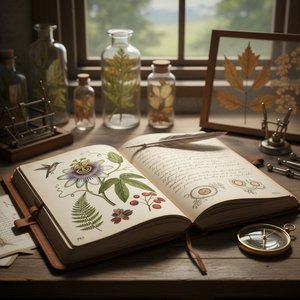
Titian Ramsay Peale II: A Legacy of Botanical Precision & Artistic Innovation
Explore the life & art of Titian Ramsay Peale II, a master of botanical precision and wildlife painting. Discover his legacy bridging art & natural history at OriginalUniqueArt.

American Realism's Defining Works: 10 Masterpieces for Your Home
Explore 10 defining American Realism masterpieces – Hopper, Homer & more. Discover the stories behind these iconic paintings and bring timeless art to your home with OriginalUniqueArt's museum-quality reproductions. Explore the full collection online.

Charles Willson Peale: Portraiture, Enlightenment Ideals & Shaping American Identity
Explore the life & art of Charles Willson Peale – Revolutionary portraitist, scientist, and founder of America’s first museum. Discover his iconic paintings of Washington & the Enlightenment ideals that shaped a nation.