Art Nouveau · 1916
Fan (拉斐尔·克尼查, 1916)
拉斐尔·克尼查 (1875–1917) 创作了《Fan》。 创作于 1916 年。 它属于 Art Nouveau 运动。 由 Lithograph 创作。
- 1916
- Lithograph

 实景预览

 手工油画复制品
 分享
 分享
 详情页


 下载作品
 相似作品
 X射线
 幻灯片播放
 问答

 统计数据
Fan简介
Fan 描绘了什么内容?
A Moment of Quiet Elegance
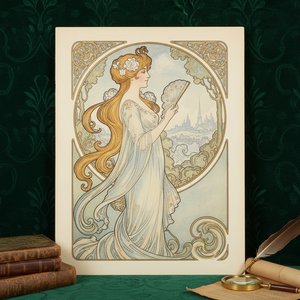
A woman stands with her back to the viewer, her silhouette a soft study in grace. She holds a fan, a delicate object that draws the eye toward the center of the composition. The scene feels intimate, as if we have stumbled upon a private moment of leisure. Light and shadow dance across the contours of her form, creating a sense of ethereal beauty that seems to float within the frame. The background remains blurred and indistinct, isolating her in a dreamlike space where time feels suspended. Every line flows with an organic rhythm, tracing the curves of her body and the gentle folds of her clothing.
The Language of Light and Line
The artist employs an impressionistic approach, using loose brushstrokes to capture the fleeting essence of a single instant. The color palette remains cool and muted, relying on subtle gradations of tone to build depth. There is a quiet tension between the soft, flowing lines of the figure and the more defined edges of the fan. This interplay of textures suggests a sense of fragility, as if the entire scene might dissolve if one were to breathe too deeply.
The visual elements work together to create a specific atmosphere:
- A palette of soft blues, whites, creams, and pale pinks.
- Diffused lighting that casts gentle, non-harsh shadows.
- A vertical orientation that emphasizes height and elegance.
- A shallow perspective that focuses entirely on the subject.
Artistic Roots and the Spirit of an Era
Created in 1916, this work emerges from a period of immense artistic transition. The style reflects the influence of Art Nouveau, characterized by its focus on organic shapes and decorative elegance. There is a sense of sophistication in the subject matter, where the fan acts as a symbol of femininity and allure. The technique suggests the fine lines and tonal variations of a lithograph, lending the image a refined, polished quality. It captures a specific mood of serenity and refinement, offering a glimpse into a world of quiet luxury and poised contemplation.
Fan 的高分辨率图像
拉斐尔·克尼查, Fan (1916). 公有领域
关于 Fan 的常见问题解答
拉斐尔·克尼查 的《Fan》 描绘了什么内容?
拉斐尔·克尼查 的《Fan》 属于哪种艺术流派?
“Fan”是一件Art Nouveau时期的作品。该艺术流派体现了作品所属的艺术传统。
关于艺术家 拉斐尔·克尼查

1875–1917, 奥地利
拉斐尔·克尼查
维也纳的远见者:拉斐尔·克尼查的生平与艺术 1875年出生于维也纳的拉斐尔·克尼查(Raphael Kirchner),在艺术新政(Art Nouveau)运动的暮年时期脱颖而出,成为了一位举足轻重的艺术人物,为世人留下了优雅插画与动人肖像的迷人遗产。尽管他的生命在1917年不幸戛然而止,但他的一生跨越了巨大的艺术变革时期,见证了从维也纳分离派(Vienna Secession)的华丽装饰向早期海报艺术(pin-up art)萌芽时期的转变。克尼查的艺术旅程始于维也纳美术学院的正规训练,这为他打下了坚实的传统技法基础,并使他日后能够将独特的感性注入作品之中。然而,真正点燃其艺术生命的是1900年左右移居巴黎的经历。当时法国首都那充满活力的氛围——沉浸在艺术新政的美学之中,且伴随着蓬勃发展的咖啡馆文化——为克尼创作才提供了肥沃的土壤。他迅速在《巴黎生活》(La Vie Parisienne)等知名杂志上开展插画工作,磨炼着捕捉女性美感与时尚潮流的精湛技艺。 “克尼查女孩”的魅力与东方影响 克尼查的艺术签名已成为一种特定女性形象的代名词——即“克尼查女孩”。这些人物通常置身于奢华的环境中,或佩戴着精致的珠宝,散发着一种高雅而感性的气息。她们并非刻意追求挑逗,却拥有一种微妙的诱惑力,令观众为之倾倒,并预示了后来海报艺术美学的到来。他的大师手笔在于能够将技术上的精准度与梦幻般的质感完美融合,创造出既迷人又空灵的图像。克尼查作品的一个核心特征是他对日本艺术,尤其是浮世绘木版画的痴迷。这种影响在他著名的“艺伎”系列中表现得淋漓尽致——这一包含超过4万张明信片的系列曾获得现象级的流行。这些图像并非仅仅是对日本元素的简单复制,而是西方艺术新政与东方美学的创新融合,展示了克尼查综合不同艺术传统的能力。“艺伎”系列见证了世纪之交发生的跨文化交流,反映了当时欧洲社会对异域东方的日益向往。 从巴黎到纽约:横跨大西洋的职业生涯 第一次世界大战的爆发戏剧性地改变了克尼查的人生轨迹。1914年,他做出了迁居美国的重大决定,并定居于纽约市。这次变动成为了他艺术生涯的关键转折点,使他能够在战乱纷扰的世界中继续追求艺术理想。他迅速融入了美国艺术界,与同行合作并获得了戏剧设计的委托。值得注意的是,克尼查曾为世纪剧院(Century Theatre)创作服装设计和装饰面板,展现了他在插画之外的多才多艺。他在剧院的工作进一步巩固了他的名声,并将“克尼查女孩”介绍给了渴望在战争期间寻求逃避现实的美国观众。尽管他在纽约的时间相对短暂——1917年他因病逝世,年仅42岁——但这仍是他职业生涯中浓墨重彩的一章,证明了他极强的适应能力与持久的艺术魅力。 遗产与深远影响 拉斐尔·克尼查对视觉文化的影响远远超出了他的有生之年。他在融合艺术新政与日本美学方面的开拓性工作,为新的艺术表达铺平了道路。他被公认为二战时期盛行的海报艺术的重要先驱,并影响了像阿尔伯托·瓦加斯(Alberto Vargas)这样的艺术家,后者曾公开承认受到克尼查的启发。他的“艺伎”系列及其他插画作品之所以具有持久的吸引力,在于其永恒的优雅与摄人心魄的美感。他捕捉时代精神的能力——那个充满了艺术创新与社会变革的时代——至今仍能引起观众的共鸣。克尼查的作品提醒着世人,艺术拥有超越文化边界并唤起持久情感的力量,确立了他作为插画史与艺术新政史上重要人物的地位。他的图像依然是那个逝去时代的有力象征,低语着关于美丽、高雅以及异域诱惑的故事。
拉斐尔·克尼查 的其他作品
 Temptation
 Greek Virgins1900
 Clovers1899
 Fables1903
关于 Fan 的论文集
 Raphael Kirchner: A Poetic Vision of Belle Époque Society Through Art Nouveau LithographyExplore the captivating world of Raphael Kirchner, a master of Art Nouveau illustration during the Belle Époque. Discover his iconic 'Kirch…
 The Elegance of Art Nouveau: Discovering Beauty in Nature’s Sinuous Curves and the Belle Époque SpiritImmerse yourself in the romantic allure of Art Nouveau. Explore the sinuous curves and floral elegance of the Belle Époque through our exqu…
 Creative Alchemy: How to Translate Human Emotion into Masterpiece Oil PaintingsDiscover the profound art of translating emotion into oil paintings. Explore the technical mastery of impasto, light, and color through an …