
 实景预览
实景预览
 分享
分享 分享
分享
 详情
详情 指南
指南

 下载作品
下载作品
 相似作品
相似作品 X射线
X射线 幻灯片播放
幻灯片播放 Q&A
Q&A 统计数据
统计数据Yashoda and Krishna

- 89.0 x 72.0 cm


 展开全文
展开全文
艺术微喷/版画
博物馆级艺术微喷或帆布版画,制作高效,并提供多种饰面选择。 ( 订购纯手工绘制画作 切换至数字图像销售渠道)




P118B ¥10

P118H ¥10

P118W ¥10

P438Z ¥10

P508JH ¥12

P508YH ¥12

P805H ¥10

P805Z ¥10

P919BZ ¥10

P919G ¥10

P919XJ ¥10

P959ZH ¥10

P968JZ ¥12

W106C ¥8

W218G ¥10

W218JH ¥8

W218Y ¥10

W307PJ ¥10

W316G ¥10

W316PJ ¥8

W316Y ¥10

W398PJ ¥8

W4111J ¥10

W500HY ¥15

W500JH ¥15

W692G ¥12

W849H ¥8

W940BG ¥15

W953PJ ¥8




您可以从与原作比例一致的预设尺寸中进行选择。

请输入您所需的宽度和高度,以适配您的画框或墙面。由于印刷品只能进行裁剪,无法超出原图尺寸,因此若比例不一致,画面的一部分将会被裁切。在正式印刷之前,我们会为您发送一份数字效果图供您确认。本页面显示的图片并非最终裁剪后的效果——只有效果图才能展示真实的裁剪情况。


 玻璃选项仅适用于110厘米以下的尺寸。

Yashoda and Krishna
艺术微喷/版画
复刻品尺寸
-


最终结算价
¥ 537
Raja Ravi Varma: Bridging Tradition & Modernity in 19th-Century Indian Art
Raja Ravi Varma stands as an unparalleled figure in the annals of Indian art history—a visionary who dared to fuse the grandeur of European academic painting with the profound spiritual essence of Hindu mythology. Born in Kilimanjaro, Tanzania, in 1848, his journey from royal lineage to artistic innovator exemplifies a transformative period in India’s cultural landscape. Ravi Varma wasn't merely replicating Western styles; he was reimagining them through the lens of Indian iconography and storytelling, resulting in artworks that captivated audiences both domestically and internationally. His influence extended far beyond the canvases themselves, shaping perceptions of Indian identity and establishing a precedent for accessible art forms—a legacy cemented by the proliferation of affordable lithographs produced at his Ravi Varma Fine Art Lithographic Press. This press was instrumental in democratizing Ravi Varma’s artistic vision, ensuring that his masterpieces resonated with a wider public.- A Royal Patronage That Fueled Innovation: Ravi Varma's upbringing within the Travancore royal household instilled him with an understanding of courtly traditions—a grounding that paradoxically propelled him toward experimentation and stylistic breakthroughs. His uncle, Raja Raja Varma, recognized his innate talent for drawing and painting, initiating him into the Tanjore School’s meticulous technique, which would serve as a cornerstone of his artistic development.
- Blending East Meets West: Ravi Varma skillfully adopted European academic realism—a dominant trend in Western art at the time—but refused to abandon the rich symbolism inherent in Hindu narratives. He meticulously researched Sanskrit texts and mythological tales, translating them into visual representations that resonated deeply with Indian sensibilities. This fusion resulted in artworks imbued with both intellectual rigor and emotional depth.
- Lithographic Revolution: Recognizing the limitations of traditional painting methods for reaching a broader audience, Ravi Varma established his lithographic press in Bombay (now Mumbai) in 1894—a pivotal moment in Indian art history. Collaborating with Fritz Schleicher, a German technician, he championed the use of lithography as a medium for disseminating his artistic creations.
Yashoda and Krishna: A Symbolic Tableau
“Yashoda and Krishna,” painted circa 1895-1896, exemplifies Ravi Varma’s masterful synthesis of Eastern spirituality and Western artistic convention. The painting depicts Yashoda, the devoted mother figure, milking a cow while Krishna playfully demands his share of the milk—a scene drawn directly from Hindu mythology that speaks to themes of nurturing, divine protection, and maternal devotion. Ravi Varma's meticulous attention to detail—particularly in capturing the texture of Yashoda’s sari—demonstrates his commitment to portraying realism alongside symbolic representation. The cow itself holds profound significance within Hinduism, symbolizing fertility, abundance, and the sacredness of pastoral life.- Composition & Color Palette: Ravi Varma employed a balanced composition, placing Krishna prominently in the foreground while Yashoda occupies a slightly elevated position—a deliberate stylistic choice that reinforces the narrative’s hierarchy of roles. The painting utilizes a vibrant color palette dominated by earthy tones—ochres and browns—accentuated by splashes of crimson and gold—colors traditionally associated with divinity and royalty.
- Narrative Depth: Beyond its visual beauty, “Yashoda and Krishna” conveys a powerful message about the sanctity of motherhood and the unwavering faith of Yashoda in Krishna’s divine protection. The painting captures a fleeting moment of tenderness between mother and child—a scene that embodies the core values of Hindu culture.
- Historical Context: Created during Ravi Varma's formative years, “Yashoda and Krishna” reflects the broader artistic currents of the Victorian era—characterized by an interest in Orientalism and a fascination with exotic landscapes and cultures. However, Ravi Varma’s work transcends mere stylistic imitation; it represents a genuine engagement with Hindu mythology and its enduring spiritual significance.
Raja Ravi Varma Lithographic Press: Democratizing Art
The establishment of the Ravi Varma Lithographic Press in 1894 marked a watershed moment in Indian art history—a testament to Ravi Varma’s foresight and his determination to make his artistic vision accessible to all. Collaborating with Fritz Schleicher, he pioneered the use of lithography as a medium for reproducing artworks on a large scale—a technique that dramatically lowered production costs and broadened the reach of Ravi Varma's masterpieces. This initiative fundamentally altered the landscape of Indian art consumption, transforming Ravi Varma’s paintings from exclusive treasures of royal collections into widely circulated images that captivated the imagination of the subcontinent. The press’s output included reproductions of Krishna’s life stories—a deliberate effort to disseminate Hindu mythology and its moral lessons among a wider audience.- Technological Innovation: Ravi Varma's decision to adopt lithography represented a significant departure from traditional painting methods—which were labor-intensive and expensive—and ushered in an era of artistic democratization.
- Cultural Impact: The Ravi Varma Lithographic Press’s reproductions profoundly influenced Indian aesthetics and contributed to the formation of a shared cultural identity—a legacy that continues to resonate today.
- Accessibility & Preservation: By making Ravi Varma's paintings available in affordable lithographs, he ensured their preservation for future generations—a remarkable achievement considering the challenges posed by the Victorian era’s artistic conventions.
Legacy and Influence
Raja Ravi Varma’s contribution to Indian art is undeniable—he fundamentally reshaped perceptions of Hindu mythology and established a precedent for blending Eastern spirituality with Western artistic technique. His lithographic press revolutionized art production, democratizing access to his masterpieces and fostering a shared cultural identity across the subcontinent. Today, reproductions of “Yashoda and Krishna” adorn homes throughout India—a testament to Ravi Varma’s enduring legacy as one of the most influential artists of the Victorian era—and continue to inspire admiration for his artistic vision and his unwavering commitment to preserving Hindu traditions through accessible art forms. His work stands as a beacon of cultural exchange and artistic innovation—a celebration of both Eastern mysticism and Western realism.常见问题与解答
在“Yashoda and Krishna”中,融合了怎样的心境与情感?
《拉贾·拉维·瓦尔马 的《Yashoda and Krishna》》所传达的意境为Serene,其情感基调为Tranquil。
下单前可以预览 拉贾·拉维·瓦尔马 的《Yashoda and Krishna》 吗?
若要预览 拉贾·拉维·瓦尔马 的《Yashoda and Krishna》 复制品的详情,请打开该作品的 效果预览 页面。
拉贾·拉维·瓦尔马 的《Yashoda and Krishna》 的版权情况是如何界定的?
拉贾·拉维·瓦尔马 的《Yashoda and Krishna》 已进入 属于公有领域 —— 其版权已过期。版权保护期自艺术家逝世之日起计算,该艺术家于 1906 年逝世。
艺术家简介
王室的画笔:拉贾·拉维·瓦尔马与现代印度绘画的黎明
拉贾·拉维·瓦尔马,这个名字在印度艺术界激荡着创新的回响。他诞生于19世纪中叶喀拉拉邦基利马努尔宫廷的王室血脉之中。他于1848年4月29日出生,其一生浸润着贵族传统与天生的创造精神。他不仅仅是一位画家;他更像一座文化之桥,巧妙地将欧洲学院派的技法与印度神话和美学的丰富织锦融为一体。他家族与特兰科尔王室长久以来的联系——事实上,他的两位女儿后来被收养进了那个家族——不仅赋予了他特权,也让他对印度宫廷生活有了深刻的理解,这极大地影响了他的艺术视野。自幼起,瓦尔马就展现出非凡的艺术天赋,在他的叔父拉贾·拉贾·瓦尔马的培养下得以成长,最初是在坦焦尔画派的传统熏陶中学习绘画和素描。然而,年轻的瓦尔马的抱负远不止于模仿;他渴望掌握能够捕捉的不仅是肖像的形貌,更是情感与叙事深度的技艺。世界的融合:技巧与灵感
瓦尔马的艺术旅程在接触到欧洲大师的作品时迎来了关键性的转折点,尤其是在他游历和与驻扎在印度的英国官员交往的过程中。他对学院派绘画的写实主义和技术精确性深深着迷,勤奋地学习其透视、解剖学、光影等原理。然而,与许多仅仅模仿西方风格的同代人不同,瓦尔马巧妙地将这些技法改造,使其服务于鲜明的印度题材。他的画布成为了《罗摩衍那》、《摩诃婆罗多》和《纯那那》场景的生动舞台,描绘着拥有全新自然主义神韵的神祇与女神们。他所做的远不止是描绘宗教故事;而是将人类的情感和心理的复杂性注入其中。这具有革命性意义。在瓦尔马之前,对神祇的描绘往往遵循僵硬的图像学惯例。他敢于将他们描绘成贴近人心的形象——美丽而强大,却又让普通观众能够亲近。他对油画的精通——当时印度相对较新的媒介——使他达到了前所未有的细节和光泽度,进一步增强了作品的情感冲击力。例如,可以看他标志性的《莎昆塔拉》描绘,其中女主角渴望的眼神和纤细的姿态传达出在印度艺术中罕见的深层情感。《特兰科尔王后》,凭借其高贵的沉稳和精妙的细节,完美体现了瓦尔马捕捉外表与内在性格的能力。艺术的大众化:石版画与公众的吸引力
拉贾·拉维·瓦尔马的影响力远远超出了皇室和艺术鉴赏家的精英圈层。他意识到原始油画对大多数印度人来说是难以企及的,于是于1894年创立了拉贾·拉维·瓦尔马美术石版印刷厂。这项开创性的事业使得基于其画作的平价石版画得以大规模生产。突然之间,印度教神祇和神话场景的图像不再局限于寺庙或宫殿;它们装饰了印度各地的家庭,成为了信仰的对象和文化自豪感的象征。这些石版画并非简单的复制品;而是精心雕琢的诠释,捕捉了瓦尔马原作的精髓。这种“艺术民主化”的行为对印度社会产生了深远的影响,培养了人们对视觉文化的更广泛欣赏,并塑造了公众对宗教图像学的认知。它也将瓦尔马确立为一位真正的公众人物,他的形象成为了印度身份无处不在的象征。《半纱·达玛扬蒂》,或许是他最受喜爱的作品之一,正是通过这些石版画进入了无数家庭,彻底改变了印度的审美图景。遗产与持久的影响
拉贾·拉维·瓦尔马于1906年逝世,留下了至今仍在回响的辉煌遗产。他的作品不仅改变了印度绘画的格局,更奠定了现代印度艺术的基础。他挑战了传统规范,拥抱创新,并将传统与现代完美地融合在一起。他的影响可以在后代寻求创造独特民族艺术身份的印度艺术家们的作品中看到。像班加罗尔的拉贾·拉维·瓦尔马遗产基金会和甘尼什·西瓦斯瓦米基金会这样的博物馆,持续保护和颂扬着他的艺术,确保了他的愿景流传给后代。他的画作至今仍是他天才的有力证明——这些杰作捕捉了印度之美、精神与文化底蕴。他能够在审美和情感层面与观众建立联系的能力,巩固了他作为真正先驱者的地位,永远改变了印度人对艺术和自身文化遗产的认知方式。当代探索瓦尔马的世界
对于那些渴望深入了解拉贾·拉维·瓦尔马世界的人来说,资源是丰富可寻的。位于新德里的基兰·纳达博物馆收藏了其部分作品,与许多其他现代和当代印度艺术家的作品并置展示。像OriginalUniqueArt这样的在线平台提供了他标志性画作的高质量复制品,让全球的艺术爱好者得以亲身体验他的艺术造诣。此外,学术文章和书籍持续地阐明着他的生平、技法和持久的影响力。专门介绍拉贾·拉维·瓦尔马的维基百科页面提供了对其生平和艺术成就的全面概述,而谷歌艺术与文化则分享了关于他生平及作品的深刻故事,其中包括他曾曾孙女的贡献。- 探索艺术品:可通过在线数据库发现“绅士肖像”、“半纱·达玛扬蒂”和“特兰科尔王后”等杰作。
- 参观博物馆:在拉贾·拉维·瓦尔马遗产基金会、甘尼什·西瓦斯瓦米基金会和基兰·纳达博物馆体验瓦尔马的辉煌历史。
- 进一步研究:查阅维基百科和谷歌艺术与文化,获取详细的生平信息和学术见解。
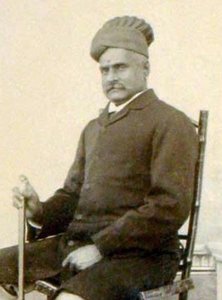
拉贾·拉维·瓦尔马
1848 - 1906 , 印度
艺术家简介
- Artistic Movement Or Style: 学院派与印度融合
- Artists Or Movements Influenced By This Artist: ['现代印度艺术']
- Artists Who Influenced This Artist: ['欧洲大师']
- Date Of Birth: 1848年4月29日
- Date Of Death: 1906年10月2日
- Full Name: 拉贾·拉维·瓦尔马
- Nationality: 印度
- Notable Artworks:
- Hansa Damayanthi
- Travancore的 Maharani
- Shakuntala
- 绅士肖像
- Place Of Birth: 印度,Kilimanoor