

 实景预览
实景预览
 发送
发送 分享
分享
 详情
详情 指南
指南

 下载图片
下载图片
 相似作品
相似作品 X射线
X射线 幻灯片播放
幻灯片播放 统计数据
统计数据The Virgin Enthroned
 Oil On Panel
- WallArt
- Northern Renaissance
 1525
1525- Renaissance
 135.0 x 90.0 cm
 柏林州立博物馆
 阅读全文
阅读全文
手工油画复制品
由我们的艺术家按需定制,为您提供您所选尺寸及画框的布面手工油画。 ( 切换至版画销售渠道 切换至数字图像销售渠道)




P118B ¥10

P118H ¥10

P118W ¥10

P438Z ¥10

P508JH ¥12

P508YH ¥12

P805H ¥10

P805Z ¥10

P919BZ ¥10

P919G ¥10

P919XJ ¥10

P959ZH ¥10

P968JZ ¥12

W106C ¥8

W218G ¥10

W218JH ¥8

W218Y ¥10

W307PJ ¥10

W316G ¥10

W316PJ ¥8

W316Y ¥10

W398PJ ¥8

W4111J ¥10

W500HY ¥15

W500JH ¥15

W692G ¥12

W849H ¥8

W940BG ¥15

W953PJ ¥8




您可以从与原作比例一致的预设尺寸中进行选择。

请输入您需要的宽度和高度,以适配您的画框或墙面。由于作品为手工绘制,若您选择不同的尺寸比例,艺术家可能会在画面边缘多画一些或稍作裁剪 —— 由您决定。在开始绘画之前,我们会为您发送一份数字效果图供您确认。本页面上展示的图片并非最终实物 —— 只有效果图才能反映真实结果。
下单后,OriginalUniqueArt.com 团队将通过电子邮件联系客户获取具体要求,并提供效果预览图


 玻璃选项仅适用于110厘米以下的尺寸。

The Virgin Enthroned
复制品材质
复刻品尺寸说明
-


总计金额
¥ 2017
A Divine Encounter in the Antwerp School
In the quiet, hallowed atmosphere of the Staatliche Museen Berlin, there exists a window into the spiritual heart of the sixteenth century. Quentin Massys’ “The Virgin Enthroned,” completed around 1525, is far more than a mere religious portrait; it is a profound meditation on grace and the intersection of the earthly and the divine. As a cornerstone of the Antwerp School, this masterpiece captures a pivotal moment in art history where the meticulous, almost microscopic devotion of the Early Netherlandish tradition began to breathe the air of Renaissance humanism. The painting presents the Virgin Mary not as a distant icon, but as a serene, maternal presence, seated upon an intricately carved throne that commands both reverence and wonder.
The composition draws the viewer into a sacred architectural space, where Gothic arches rise with a sense of eternal grandeur. Through these arches, light filters in a way that feels both natural and supernatural, illuminating the central figures with a soft, celestial glow. This interplay of light and shadow—the masterful use of chiaroscuro—creates a palpable sense of three-dimensionality, making the figures feel as though they might step forward from the panel into our own world. For the collector or the lover of classical beauty, this painting offers an unparalleled sense of depth, inviting the eye to wander through its detailed textures and architectural splendor.
The Alchemy of Texture and Symbolism
What truly distinguishes Massys is his ability to translate his early training as an ironsmith into a painterly language of tactile brilliance. Every surface in “The Virgin Enthroned” tells a story of material richness. One can almost feel the heavy, velvet weight of Mary’s crimson cloak and the delicate, woven complexity of the carpet beneath her feet. The artist’s precision is evident in the way he captures the glint of enamel on the throne and the subtle sheen of light upon the golden chalice resting on a nearby table. This obsession with realism serves a higher purpose: it grounds the spiritual mystery of the Christ child in a world that feels tangible, real, and deeply precious.
Every element within the frame is steeped in theological significance. The presence of the bread and the golden chalice on the white-draped table serves as a poignant reference to the Eucharist, inviting the viewer into a state of sacramental contemplation. Even the architectural details, with their stained glass and intricate patterns, act as symbols of the heavenly Jerusalem. This layering of meaning ensures that the artwork remains intellectually stimulating long after the first glance. For an interior designer, such a piece provides a sophisticated focal point, bringing a sense of historical weight, narrative complexity, and quiet dignity to any curated space.
An Enduring Legacy for the Modern Collector
To possess a reproduction of this caliber is to bring a piece of the Northern Renaissance into the contemporary home. Massys’ ability to balance the heavy symbolism of his era with a breathtakingly realistic technique creates an emotional resonance that transcends time. The painting evokes a sense of peace, stability, and profound reverence—qualities that are increasingly sought after in modern art decoration. It is a work that does not merely decorate a wall; it anchors a room, providing a soulful connection to the masters of the past.
Whether you are an art historian captivated by the evolution of the Antwerp School or a decorator seeking to infuse a room with classical elegance, “The Virgin Enthroned” stands as a testament to human skill and spiritual aspiration. It remains a luminous example of how light, color, and texture can be woven together to create an eternal moment of devotion.
问答详情
昆廷·马赛斯 的《The Virgin Enthroned》 是人像、风景还是方形构图?
昆廷·马赛斯 的《The Virgin Enthroned》 是一幅 Portrait 构图的作品。在选择打印尺寸之前,建议先确认其比例。
创作《The Virgin Enthroned》时,昆廷·马赛斯 的年龄是多少?
昆廷·马赛斯 在 1525 年创作《The Virgin Enthroned》时,年龄为 59 岁。该年龄是根据艺术家的出生年份 1466 计算得出的。
昆廷·马赛斯 的《The Virgin Enthroned》 的创作媒介和创作日期是什么?
"The Virgin Enthroned"创作于1525年,采用Oil On Panel技法。
艺术家简介
安特卫普画派的奠基者
在十六世纪低地国家那片充满活力且蓬勃发展的土地上,很少有名字能像昆廷·马赛斯这样具有如此深远的奠基意义。作为安特卫普画派公认的先驱,马赛斯是一位连接了早期尼德兰传统中那种细致入微、虔诚的精神追求,与北欧文艺复兴时期新兴人文主义精神的画家。他于1466年左右出生于比利时的鲁汶,其早年生活至今仍如同一幅由传说与历史碎片交织而成的挂毯。在艺术史的传闻中,在他拿起画笔之前,曾接受过铁匠的训练——这一细节为他后来对纹理与材质那令人惊叹的掌控力,增添了一种深沉且富有触感的厚重感。这种金属加工的背景,或许在他心中植入了一种对物质世界的独特敬畏,使他能够以无与伦避的精准度,去描绘丝绸的光泽、钱币的冷冽寒光,以及人类皮肤那饱经风霜的质感。
大约在1490年,随着他从鲁汶学术气息浓厚的氛围转向安特卫普这个繁忙的商业枢纽,马赛斯开始将自己独特的丝线编织进佛兰德艺术的宏大织锦中。他的早期训练——可能是在迪尔克·鲍茨的指导下完成的——使他承袭了汉斯·孟林和罗吉尔·范德韦登等大师的艺术血脉。从这些前辈那里,他继承了对逼真性的执着追求,即在表现中探寻真理。然而,马赛斯绝非仅仅是一位模仿者。在保留其先辈们标志性的精妙细节的同时,他在作品中注入了一种全新的、蓬勃向上的生命力,并展现出一种勇于探索人类境遇复杂性的胆识,这种探索既体现在宗教的庄严之中,也体现在辛辣的社会评论里。
虔诚与讽刺的艺术大师
马赛斯的卓越之处在于他能够游刃有余地穿梭于两个看似截然不同的世界:神圣与世俗。一方面,他的宗教构图是关于信仰的深刻冥想。在诸如《受难像中的基督与捐赠者》等作品中,他捕捉到了十字架刑罚那原始而沉重的情感张力,利用盛期文艺复锐的审美感,呈现出一个既动人心魄又技术无瑕的场景。他通过人类苦难的视角来描绘神性的能力,使他的宗教题材产生了一种直抵灵魂的亲密感,让观者能够真切地感受到精神世界的存在。
另一方面,马赛斯也是讽刺艺术流派的大师,他用画笔作为一面镜子,映射出那个时代不断变迁的社会道德。他拥有一双洞察人性弱点的锐利眼睛,经常创作出将现实主义与微妙、嘲弄的机智融合在一起的场景。这种双重性在他处理肖像画和风俗画时表现得最为明显:他可以从《圣母与圣婴》那宁静的美感,瞬间切换到对当代生活那种更为复杂、充满道德层面的刻画。他的作品经常探讨贪婪、虚荣以及物质财富与精神纯洁之间的张力,这使他成为了后来几个世纪中那些伟大的风俗画家们的先驱。
艺术遗产与历史意义
昆廷·马赛斯的历史地位不言而喻;他是安特卫普艺术革命的催化剂。通过在植根于故土丰富传统的同时引入新的母题与技法,他为整个十六世纪统治佛兰德地区的画派提供了蓝图。他的影响力可以追溯到整个北欧艺术的演进过程,因为他为一种更加富有表现力、注重观察的风格铺平了道路,这种风格拥抱了现代化世界日益增长的复杂性。
时至今日,我们铭记马赛斯不仅是因为他是一位技艺精湛的匠人,更是因为他是一位捕捉了一个时代灵魂的叙事者。他的艺术遗产被保存在其影像那持久的力量之中:
- 技术创新:将受金属加工启发的精准度与文艺复兴油画流动的优雅感完美融合。
- 安特卫普画派:建立了一个持久的艺术运动,将现实主义与道德叙事置于同等重要的地位。
- 人文主义视角:拥有一种独特的能力,能将宗教圣像深邃的神圣感与社会讽刺中敏锐、观察性的机智结合在一起。

昆廷·马赛斯
1466 - 1530 , 比利时
快速概览
- Artistic Movement Or Style: 安特卫普画派
- Artists Or Movements Influenced By This Artist: ['汉斯·梅姆林']
- Artists Who Influenced This Artist: ['迪尔克·鲍茨']
- Date Of Birth: 约1466年
- Date Of Death: 1530年
- Full Name: 昆汀·马赛斯
- Nationality: 佛兰德斯
- Notable Artworks (List Of Titles):
- 圣安妮祭坛画
- 吝啬鬼及其妻子
- Place Of Birth (City And Country): 比利时鲁汶市
相关文章

The Enduring Legacy of Fine Art Prints: Technique, History & Aesthetic Impact
Explore the rich history & techniques of fine art prints. Discover investment potential, assess authenticity, and learn how to preserve your collection with expert guidance. Trusted insights for discerning collectors.

Oil on Canvas: A Historical & Technical Exploration of a Timeless Artistic Medium
Explore the rich history & enduring techniques of oil painting on canvas. Discover the science behind its longevity, conservation practices, and contemporary relevance. Expert insights for art enthusiasts.

Mastering Detail: A Guide to the Timeless Beauty and Technical Brilliance of Flemish Painting
Explore the exquisite precision of Flemish painting. From Jan van Eyck to Robert Campin, discover the revolutionary oil techniques and rich symbolism that defined the Northern Renaissance and continue to inspire fine art collectors today.
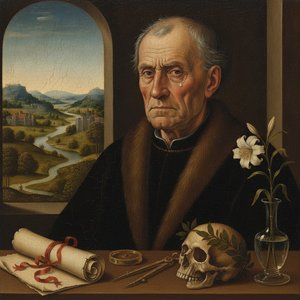
The Northern Renaissance: A Masterclass in Hyper-Realism, Oil Innovation, and Symbolic Depth
Explore the profound mastery of Northern Renaissance art. Discover the technical brilliance of Flemish oil painting, the intricate symbolism of Bosch and Bruegel, and the revolutionary realism that redefined European art history through an expert historical lens.

高檔藝術品複製技術:Giclée微噴的檔案品質與鑑賞細節
深入了解Giclée微噴技術:檔案品質、色彩還原的專業解析。探索高檔藝術品複製的細節與保存技巧,為您的收藏提供博物館級別的選擇。專家指導,確保完美呈現原作神韻。