

 实景预览
实景预览
 发送
发送 分享
分享
 详情
详情 指南
指南

 下载图片
下载图片
 相似作品
相似作品 X射线
X射线 幻灯片播放
幻灯片播放 统计数据
统计数据Up the River During Qingming
 Acrylic On Canvas
- WallArt
- Ming Dynasty Landscape Painting
 1644
1644 34.0 x 804.0 cm
 國立故宮博物院
 阅读全文
阅读全文
艺术微喷/版画
博物馆级艺术微喷或帆布版画,制作高效,并提供多种饰面选择。 ( 订购此收藏品的纯手工复刻画作 切换至数字图像销售渠道)




P118B ¥10

P118H ¥10

P118W ¥10

P438Z ¥10

P508JH ¥12

P508YH ¥12

P805H ¥10

P805Z ¥10

P919BZ ¥10

P919G ¥10

P919XJ ¥10

P959ZH ¥10

P968JZ ¥12

W106C ¥8

W218G ¥10

W218JH ¥8

W218Y ¥10

W307PJ ¥10

W316G ¥10

W316PJ ¥8

W316Y ¥10

W398PJ ¥8

W4111J ¥10

W500HY ¥15

W500JH ¥15

W692G ¥12

W849H ¥8

W940BG ¥15

W953PJ ¥8




您可以从与原作比例一致的预设尺寸中进行选择。

请输入您所需的宽度和高度,以适配您的画框或墙面。由于印刷品只能进行裁剪,无法超出原图尺寸,因此若比例不一致,画面的一部分将会被裁切。在正式印刷之前,我们会为您发送一份数字效果图供您确认。本页面显示的图片并非最终裁剪后的效果——只有效果图才能展示真实的裁剪情况。


 玻璃选项仅适用于110厘米以下的尺寸。

Up the River During Qingming
艺术微喷/版画
复刻品尺寸说明
-


总计金额
¥ 538
A Celebration of Springtime Majesty: Exploring Qiu Ying’s “Up the River During Qingming”
“Up the River During Qingming,” attributed to Qiu Ying (ca. 1494-1522), stands as a monumental achievement in Ming Dynasty landscape painting, embodying not merely visual beauty but also profound cultural significance. Executed during the reign of Emperor Huizong of the Song dynasty (1644–1911), this scroll captures the vibrant spirit of Qingming Festival – Tomb Sweeping Day – a solemn yet joyous occasion commemorating ancestors and honoring springtime renewal. Its enduring appeal lies in its masterful blend of meticulous observation, artistic innovation, and symbolic representation, cementing Qiu Ying’s place among China's Four Masters.The Landscape Vision: Detail and Illusion
The painting depicts a bustling scene along Lake Jinming, showcasing an astonishing level of detail that transcends mere topographical accuracy. The artist skillfully employs techniques honed under Zhou Chen’s tutelage to create an illusionistic space—a cornerstone of gongbi painting—where buildings appear to recede into the distance, trees shimmer with reflected light, and ripples dance across the water's surface. Mineral blue and green pigments dominate the palette, complemented by touches of cinnabar, gamboge, whitewash, and violet, resulting in a color scheme that is both opulent and harmonious. The layering of landscape forms—mountains, hills, pavilions, boats—is executed with painstaking precision, reflecting a deep understanding of perspective and atmospheric effects. This deliberate artistry elevates the scene beyond a simple depiction of nature; it aspires to evoke a feeling of grandeur and tranquility.A Symphony of Activity: Capturing Qingming Festivities
Beyond its breathtaking visual splendor, “Up the River During Qingming” is notable for its portrayal of diverse activities associated with Qingming Festival. The scroll depicts an imperial boat race—a spectacle designed to honor the deceased—complete with elaborately decorated boats and competitive racers vying for pennants. Furthermore, scenes of willow shooting, acrobatics, tightrope walking, and a military review underscore the festival’s multifaceted character. These figures are rendered with remarkable realism, capturing expressions of joy, excitement, and reverence. The artist's attention to detail extends beyond human subjects; he meticulously portrays architectural elements—the ornate pavilions and buildings lining the lake—emphasizing the grandeur of imperial patronage and celebrating the blossoming beauty of springtime.Symbolism Rooted in Tradition: Echoes of Confucian Values
The painting’s symbolism resonates deeply with Confucian ideals prevalent during the Ming Dynasty, reflecting a reverence for ancestors and an acknowledgment of the cyclical nature of life and death. The lake itself symbolizes purity and immortality—concepts central to Confucian cosmology—while the boats represent journeys toward enlightenment and remembrance. The meticulous depiction of rituals and ceremonies underscores the importance of filial piety and honoring familial heritage. Moreover, the inclusion of willow shooting—a traditional pastime symbolizing resilience and renewal—suggests a belief in overcoming adversity and embracing new beginnings.A Legacy Enduring Through Time: Influence and Reproduction
“Up the River During Qingming”’s impact extends far beyond its original creation. Dozens of copies bearing Qiu Ying's name survive today, demonstrating the painting’s enduring popularity and artistic prestige. Notably, three scrolls reside in the National Palace Museum collection, providing invaluable insight into Ming Dynasty art history. Its stylistic innovations—particularly the masterful illusionistic space and the vibrant color palette—have served as inspiration for subsequent generations of artists, ensuring that Qiu Ying's vision continues to captivate audiences worldwide. Reproductions of this masterpiece offer a tangible connection to China’s artistic heritage, allowing viewers to experience the sublime beauty and profound symbolism of “Up the River During Qingming.”问答详情
如何发现与 仇英 的《Up the River During Qingming》 风格相近的艺术品?
仇英 的《Up the River During Qingming》 的 相似作品 页面展示了相关艺术作品。
仇英 的《Up the River During Qingming》 的对比度如何?
"Up the River During Qingming" 的明暗对比度记录为 Serene。对比度描述了明亮区域与阴影区域之间的差异强度。
仇英 的《Up the River During Qingming》 属于哪种艺术流派?
“Up the River During Qingming”是一件Ming Dynasty Landscape Painting时期的作品。该艺术流派指明了作品所属的艺术传统。
艺术家简介
笔墨铸就的一生:丘应的艺术世界
1494年,丘应出生于今江苏省附近的太仓小镇,出身寒微。然而,正是这位平凡的少年,最终成长为明代最负盛名的画家之一。与那个时代许多受益于书香门第、在既定艺术圈内接受正统教育的艺术家不同,丘应的成名之路充满了白手起家的传奇色彩。他的艺术启蒙并非源自传统的书斋路径,而是始于漆艺学徒的磨炼。在精细的装饰工艺中,他日复一日地打磨着技艺——这段早年的经历为他日后画作中那种极尽严谨、丝毫不差的精准度奠定了深厚的基础。这种对线条与色彩的敏锐掌控力,随后在明代文化重镇苏州,经由周臣的悉心指导得到了进一步升华。正是在这样一个充满活力的文化环境中,丘应开始真正绽放光彩,他汲取各家之长,逐渐形成了独树一帜的艺术语言。变幻无穷的大师:风格与技法
丘应的天才之处并不在于墨守成规地追随某一流派,而在于其超凡脱俗的驾驭能力。当时的苏州虽是吴门画派所推崇的细腻水墨画的阵地,但丘应却展现出了惊人的天赋,能够游刃有余地在含蓄婉约的水墨意境与色彩鲜艳、细节繁复的工笔技法之间自由切换。这种极强的适应性使他能够满足不同审美趣味的广泛客户群,从而确立了其备受追捧的艺术家地位。他巧妙地融合了多种技法,常在构图中融入青绿山水的元素——这种风格以色彩浓郁、细节精微而著称。他的画作以极其考究的色彩运用、对细节近乎痴迷的刻画,以及在宏大全景式山水与细腻私密场景之间切换自如的能力而闻名。这种技艺的精湛不仅在于技巧本身,更在于他通过笔墨进行叙事,传达情感,使一个个动人的故事在绢帛或纸张上跃然生动。赞助人与艺术生涯的鼎盛
丘应艺术生涯的繁荣,离不开那些慷慨赞助者的支持,他们委托他创作了涵盖广泛题材的作品。他的画笔下,既有充满大气透视感的山水,也有散发着虔诚宗教气息的宗教场景,还有生机盎然、细腻入微的花卉园林,以及捕捉人物神韵的动人人物构图。在他最负盛名的杰作中,既有受北宋经典启发而创作的《清明上河图》式宏伟演绎,也有展现其在自然景致中描绘优雅仕女功底的《竹林夫人》,更有体现他对古典文学主题深刻理解的《竹林七贤》,以及生动呈现宫廷生活的《汉宫春晓》。苏州的陈观,以及后来的著名艺术收藏家周凤来与项元汴,这些关键赞助人在支持他的艺术探索中发挥了举足轻重的作用,为他提供了自由探索创意与精进技艺的空间。传承与深远影响
丘应的才华与多变性使他荣登“明代四家”之列,这足以证明他对中国绘画产生的深远影响。他在传统风格与当代审美之间架起了一座桥梁,创作出了既具技术高度又具美学价值的作品。他的画作虽承袭了早期大师(尤其是宋代大师)的影响,但他并非简单的模仿,而是巧妙地将这些历史先例与时代的审美精神相融合。他通过综合、创新,最终创造出了一种完全属于自己的风格。在有生之年之外,丘应的影响力延续到了后世无数仰慕其精湛技艺与创新精神的艺术家身上。作为中国艺术史上的一位璀璨人物,他因捕捉美、传递意蕴以及在艺术版图上留下的不可磨灭的印记而受人景仰。即便在今天,他的名字还出现在水星的一个陨石坑中——这对于一位视野超越尘世边界的艺术家来说,无疑是最贴切的致敬。他的艺术遗产至今仍在全世界艺术爱好者心中激起震撼与赞叹。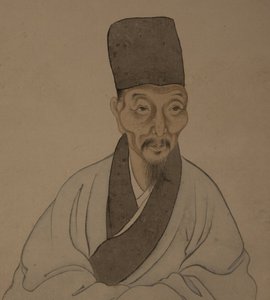
仇英
1494 - 1552 , 中国
快速概览
- Artistic Movement Or Style: 工笔, 吴门画派
- Artists Or Movements Influenced By This Artist: ['明代艺术家']
- Artists Who Influenced This Artist: ['宋代大师']
- Date Of Birth: 1494年
- Date Of Death: 1552年
- Full Name: 仇英
- Nationality: 中国
- Notable Artworks:
- 清明上河图
- 竹林夫人
- 竹林七贤
- 汉宫春晓
- Place Of Birth: 中国太仓
相关文章

Evoking Nature's Sublime: A Comprehensive Exploration of 19th-Century Landscape Painting
Explore the captivating world of 19th-century landscape painting! Discover renowned artists like Friedrich & Monet, key movements, and find the perfect artwork to bring nature's serenity into your home. Expert insights at OriginalUniqueArt.

康斯塔布尔大师之作:25幅传世风景画赏析 | OriginalUniqueArt
探索康斯塔布尔的25幅传世杰作!沉浸于英国田园风光,感受浪漫主义绘画大师的光影与色彩。高清油画复制、艺术品购买尽在OriginalUniqueArt.com,为您的家居增添经典之美。立即在线探索完整系列!

浪漫主义画派的十部巨作:定义风景画的艺术传奇
探索浪漫主义风景画的巅峰!本文精选十部经典名作,带您领略莫奈、库尔贝等大师的艺术魅力。感受色彩与光影的诗意,重温自然风光的震撼。OriginalUniqueArt.com为您提供博物馆级别的艺术复制品和个性化家居装饰方案。尽在OriginalUniqueArt.com!

Evocations of Place: A Historical Journey Through Landscape Art
Explore the rich history of landscape art with OriginalUniqueArt. Discover renowned artists, movements like Impressionism & tonalism, and expert guidance for collecting timeless pieces. Find your perfect serene escape today!

Evocations of Place: A Historical Journey Through Landscape Art
Explore the rich history of landscape art with OriginalUniqueArt. Discover renowned artists, movements like Impressionism & Romanticism, and expert guidance for collecting timeless pieces. Find your perfect serene escape today!