

 实景预览
实景预览
 发送
发送 分享
分享
 详情
详情 指南
指南

 下载图片
下载图片
 相似作品
相似作品 X射线
X射线 幻灯片播放
幻灯片播放 统计数据
统计数据Up the River During Qingming
 Oil On Canvas
- WallArt
- Ming Dynasty Painting
 1644
1644 34.0 x 804.0 cm
 國立故宮博物院
 阅读全文
阅读全文
艺术微喷/版画
博物馆级艺术微喷或帆布版画,制作高效,并提供多种饰面选择。 ( 订购此收藏品的纯手工复刻画作 切换至数字图像销售渠道)




P118B ¥10

P118H ¥10

P118W ¥10

P438Z ¥10

P508JH ¥12

P508YH ¥12

P805H ¥10

P805Z ¥10

P919BZ ¥10

P919G ¥10

P919XJ ¥10

P959ZH ¥10

P968JZ ¥12

W106C ¥8

W218G ¥10

W218JH ¥8

W218Y ¥10

W307PJ ¥10

W316G ¥10

W316PJ ¥8

W316Y ¥10

W398PJ ¥8

W4111J ¥10

W500HY ¥15

W500JH ¥15

W692G ¥12

W849H ¥8

W940BG ¥15

W953PJ ¥8




您可以从与原作比例一致的预设尺寸中进行选择。

请输入您所需的宽度和高度,以适配您的画框或墙面。由于印刷品只能进行裁剪,无法超出原图尺寸,因此若比例不一致,画面的一部分将会被裁切。在正式印刷之前,我们会为您发送一份数字效果图供您确认。本页面显示的图片并非最终裁剪后的效果——只有效果图才能展示真实的裁剪情况。


 玻璃选项仅适用于110厘米以下的尺寸。

Up the River During Qingming
艺术微喷/版画
复刻品尺寸说明
-


总计金额
¥ 538
A Glimpse into Imperial Life and Artistic Mastery
“Up the River During Qingming” – a title that conjures images of a vibrant, bustling scene, yet within its painted surface lies a profound meditation on life, death, and the ephemeral beauty of the natural world. Attributed to the masterful Qiu Ying, a painter who defied conventional artistic paths to forge his own legacy during the Ming Dynasty (1494-1552), this handscroll offers an unparalleled window into 17th-century China – a time of immense cultural flourishing and imperial grandeur. More than just a depiction of a river journey, it’s a meticulously crafted tableau that speaks volumes about social hierarchy, artistic innovation, and the enduring fascination with capturing fleeting moments.
The Painter's Journey: From Lacquer to Legend
Qiu Ying’s origins were remarkably unconventional. He began his career not within the established academies of art, but as a lacquer artisan – a skill that instilled in him an extraordinary attention to detail and a deep understanding of color and texture. This early apprenticeship honed his ability to render intricate patterns with precision, a quality that would become hallmarks of his later paintings. He subsequently studied under Zhou Chen in Suzhou, a renowned master who further refined his technique and exposed him to the prevailing artistic trends of the era. Qiu Ying’s journey is a testament to the power of self-directed learning and the diverse paths one can take to achieve artistic greatness.
A Symphony of Color and Technique
The scroll's visual impact is immediately arresting, dominated by a rich palette of mineral pigments – vibrant blues derived from lapis lazuli, shimmering greens sourced from malachite, and fiery reds achieved with cinnabar. Qiu Ying’s technique exemplifies the “gongbi” style, characterized by meticulous brushwork and an almost photographic realism. Notice the incredible detail in the rendering of the buildings lining the riverbank – each tile meticulously depicted, reflecting the opulence of imperial architecture. The water itself is treated with a remarkable fluidity, utilizing layered washes to create an illusion of movement and depth. The use of “wet-on-wet” technique further enhances this effect, blurring the boundaries between foreground and background.
Scenes of Celebration and Social Commentary
“Up the River During Qingming” is not simply a landscape painting; it’s a carefully constructed narrative. The scene unfolds along the Jinming River, teeming with activity as people celebrate the Qingming Festival – a time for honoring ancestors and visiting graves. We see elaborate boat races, lively dance performances, acrobatic displays, and even military reviews, all taking place within the confines of a grand palace complex. These activities are not merely decorative; they subtly comment on the social hierarchy of the time, with the emperor’s presence and lavish displays signifying his authority and power. The inclusion of stage performances suggests an appreciation for entertainment and cultural refinement.
Symbolism and the Ephemeral Nature of Life
Beyond its surface details, “Up the River During Qingming” is imbued with symbolic meaning. The river itself represents the flow of time, while the figures within the scene embody the diverse roles and aspirations of Ming Dynasty society. The meticulous detail with which Qiu Ying depicts the landscape – from the towering willow trees to the meticulously rendered buildings – underscores the importance of harmony between humanity and nature. Ultimately, the painting serves as a poignant reminder of the fleeting beauty of life and the enduring desire to capture it on canvas. It’s a masterpiece that continues to resonate with viewers centuries later, offering a glimpse into a bygone era and inviting us to contemplate our own place within the grand sweep of history.
问答详情
为什么“Up the River During Qingming”的版权状态是目前的状况?
"Up the River During Qingming" 的版权状态 —— 属于公有领域 —— 其版权已过期 —— 取决于艺术家于 1552 年逝世这一事实。
仇英 的《Up the River During Qingming》 使用了什么技法?
仇英 的《Up the River During Qingming》 的媒介为 Oil On Canvas。复制品旨在呈现该技法的视觉效果。
仇英 的《Up the River During Qingming》 是否属于备受追捧的 Ming Dynasty Painting 流派作品之一?
在Ming Dynasty Painting运动中,"Up the River During Qingming"具有Recognized的知名度。
艺术家简介
笔墨铸就的一生:丘应的艺术世界
1494年,丘应出生于今江苏省附近的太仓小镇,出身寒微。然而,正是这位平凡的少年,最终成长为明代最负盛名的画家之一。与那个时代许多受益于书香门第、在既定艺术圈内接受正统教育的艺术家不同,丘应的成名之路充满了白手起家的传奇色彩。他的艺术启蒙并非源自传统的书斋路径,而是始于漆艺学徒的磨炼。在精细的装饰工艺中,他日复一日地打磨着技艺——这段早年的经历为他日后画作中那种极尽严谨、丝毫不差的精准度奠定了深厚的基础。这种对线条与色彩的敏锐掌控力,随后在明代文化重镇苏州,经由周臣的悉心指导得到了进一步升华。正是在这样一个充满活力的文化环境中,丘应开始真正绽放光彩,他汲取各家之长,逐渐形成了独树一帜的艺术语言。变幻无穷的大师:风格与技法
丘应的天才之处并不在于墨守成规地追随某一流派,而在于其超凡脱俗的驾驭能力。当时的苏州虽是吴门画派所推崇的细腻水墨画的阵地,但丘应却展现出了惊人的天赋,能够游刃有余地在含蓄婉约的水墨意境与色彩鲜艳、细节繁复的工笔技法之间自由切换。这种极强的适应性使他能够满足不同审美趣味的广泛客户群,从而确立了其备受追捧的艺术家地位。他巧妙地融合了多种技法,常在构图中融入青绿山水的元素——这种风格以色彩浓郁、细节精微而著称。他的画作以极其考究的色彩运用、对细节近乎痴迷的刻画,以及在宏大全景式山水与细腻私密场景之间切换自如的能力而闻名。这种技艺的精湛不仅在于技巧本身,更在于他通过笔墨进行叙事,传达情感,使一个个动人的故事在绢帛或纸张上跃然生动。赞助人与艺术生涯的鼎盛
丘应艺术生涯的繁荣,离不开那些慷慨赞助者的支持,他们委托他创作了涵盖广泛题材的作品。他的画笔下,既有充满大气透视感的山水,也有散发着虔诚宗教气息的宗教场景,还有生机盎然、细腻入微的花卉园林,以及捕捉人物神韵的动人人物构图。在他最负盛名的杰作中,既有受北宋经典启发而创作的《清明上河图》式宏伟演绎,也有展现其在自然景致中描绘优雅仕女功底的《竹林夫人》,更有体现他对古典文学主题深刻理解的《竹林七贤》,以及生动呈现宫廷生活的《汉宫春晓》。苏州的陈观,以及后来的著名艺术收藏家周凤来与项元汴,这些关键赞助人在支持他的艺术探索中发挥了举足轻重的作用,为他提供了自由探索创意与精进技艺的空间。传承与深远影响
丘应的才华与多变性使他荣登“明代四家”之列,这足以证明他对中国绘画产生的深远影响。他在传统风格与当代审美之间架起了一座桥梁,创作出了既具技术高度又具美学价值的作品。他的画作虽承袭了早期大师(尤其是宋代大师)的影响,但他并非简单的模仿,而是巧妙地将这些历史先例与时代的审美精神相融合。他通过综合、创新,最终创造出了一种完全属于自己的风格。在有生之年之外,丘应的影响力延续到了后世无数仰慕其精湛技艺与创新精神的艺术家身上。作为中国艺术史上的一位璀璨人物,他因捕捉美、传递意蕴以及在艺术版图上留下的不可磨灭的印记而受人景仰。即便在今天,他的名字还出现在水星的一个陨石坑中——这对于一位视野超越尘世边界的艺术家来说,无疑是最贴切的致敬。他的艺术遗产至今仍在全世界艺术爱好者心中激起震撼与赞叹。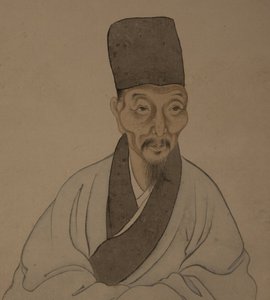
仇英
1494 - 1552 , 中国
快速概览
- Artistic Movement Or Style: 工笔, 吴门画派
- Artists Or Movements Influenced By This Artist: ['明代艺术家']
- Artists Who Influenced This Artist: ['宋代大师']
- Date Of Birth: 1494年
- Date Of Death: 1552年
- Full Name: 仇英
- Nationality: 中国
- Notable Artworks:
- 清明上河图
- 竹林夫人
- 竹林七贤
- 汉宫春晓
- Place Of Birth: 中国太仓
相关文章
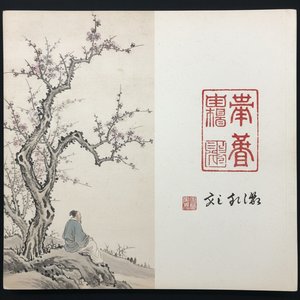
Xie Zhiliu: A Legacy of Ink Wash Painting & Modern Chinese Literati Tradition
Explore the legacy of Xie Zhiliu, a master of Chinese ink wash painting & prominent figure in modern art. Discover his techniques, influences, and contributions to literati tradition. A guide for discerning collectors.
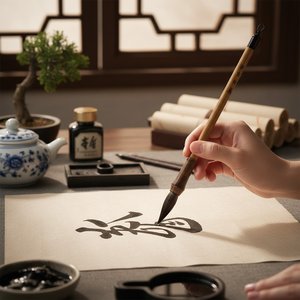
The Timeless Beauty of Chinese Calligraphy: An Exploration of Ink, Spirit, and the Art of the Brush
Embark on a profound journey through the soul of Chinese calligraphy. Explore the historical mastery of ink, brush, and script, from ancient Zhuanshu to elegant running script, and discover how this timeless art form reflects the enduring spirit of classical East Asian aesthetics.

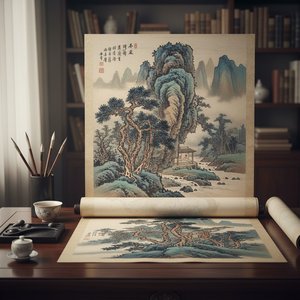
Pu Xinyu's 'Puru': A Legacy of Literati Painting & Emotional Resonance
Explore the captivating world of Pu Xinyu (Puru), the last great literati painter. Discover his imperial heritage, masterful ink wash techniques & enduring legacy – a valuable addition to any discerning art collection.
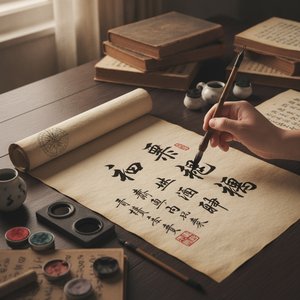
Mastering the Flow: The Timeless Art of Ink on Paper and the Legacy of Calligraphic Mastery
Explore the profound elegance of ink on paper. From the rhythmic running script of the Ming Dynasty to Zen-inspired haiku, discover the history, technique, and meditative mastery behind the world's most timeless calligraphic traditions.