

 效果预览
效果预览
 分享
分享 分享
分享
 详情
详情 指南
指南

 下载
下载
 相似作品
相似作品 X射线
X射线 幻灯片播放
幻灯片播放 统计数据
统计数据Pair of Mounted Covered Jars
 Acrylic On Canvas
- WallArt
- Rococo
 1745
1745 45.0 x 47.0 cm
 弗里克美術館
 展开详情
展开详情
手工油画复制品
由我们的艺术家按需定制,为您提供您所选尺寸及画框的布面手工油画。 ( 切换至版画销售渠道 切换至数字图像销售渠道)




P118B $10

P118H $10

P118W $10

P438Z $10

P508JH $12

P508YH $12

P805H $10

P805Z $10

P919BZ $10

P919G $10

P919XJ $10

P959ZH $10

P968JZ $12

W106C $8

W218G $10

W218JH $8

W218Y $10

W307PJ $10

W316G $10

W316PJ $8

W316Y $10

W398PJ $8

W4111J $10

W500HY $15

W500JH $15

W692G $12

W849H $8

W940BG $15

W953PJ $8




从与原作比例一致的预设尺寸中进行选择。

您可以输入自定义尺寸,以适配特定的画框或空间。如果所选尺寸与原图比例不符,我们将通过裁剪作品或添加手绘元素来扩展画面。数字样稿将在制作开始前发送给您确认。
请注意,屏幕预览无法准确反映实际的裁剪或扩展效果,只有样稿才能真实呈现最终的构图。
虽然我们提供定制尺寸服务,但为了保留原作比例,建议您从预设列表中选择尺寸。
下单后,OriginalUniqueArt.com 团队将通过电子邮件联系客户获取具体要求,并提供效果预览图。


 玻璃选项仅适用于110厘米以下的尺寸。

Pair of Mounted Covered Jars
复制材质
复制品尺寸
-


最终总价
$ 300
A Symphony in Blue and Gold: Unveiling the Elegance of a Qing Dynasty Pair
The image before you presents more than just two porcelain vases; it’s a portal to 18th-century China, offering a glimpse into the refined tastes and artistic prowess of the Qing dynasty. These magnificent vessels, crafted in Jingdezhen – the imperial porcelain capital – during the Kangxi reign (1662–1722), are testaments to a period of unparalleled prosperity and cultural flourishing. Their serene blue tones, accented with shimmering gold, evoke a sense of tranquility and understated luxury, qualities highly prized within the opulent courts of the Qing emperors.
The sheer scale of these jars is immediately striking – measuring 45 x 47 cm, they were designed to be imposing statements of wealth and status. Their monochrome palette, a hallmark of imperial porcelain production, was deliberately chosen for its rarity and cost. Producing large-scale monochromatic porcelains demanded exceptional skill and resources, signifying the immense power and influence wielded by those who commissioned them. The meticulous hand-painting, utilizing cobalt blue derived from lapis lazuli – a precious stone sourced from Afghanistan – further underscores their exclusivity.
Rococo Refinement: A Fusion of East and West
Beyond their technical brilliance, these jars embody the sophisticated artistic sensibilities that emerged during the Qing dynasty. The elaborate gilt-bronze mounts—featuring intricate depictions of bulrushes, sea shells, branches of coral, marine rocks, and stylized pearls – are a prime example of this fusion of Eastern and Western aesthetics. This style, deeply rooted in the Rococo movement flourishing in Paris at the time, demonstrates the Qing court’s fascination with European luxury and its desire to incorporate foreign influences into its own artistic traditions. The asymmetrical design and irrational scale, characteristic of Rococo, inject a playful element into what might otherwise be considered a formal and restrained piece.
The choice of motifs themselves is laden with symbolism. Bulrushes, often associated with immortality and rebirth, represent longevity and prosperity. Sea shells evoke the vastness of the ocean and the abundance it offers. Coral symbolizes protection and good fortune. Pearls, representing purity and wealth, further enhance the jar’s allure. The inclusion of abstract scroll motifs adds a layer of visual complexity, reflecting the intricate intellectual currents of the era.
A Legacy of Craftsmanship: Context within the Qing Dynasty
To fully appreciate these jars, it's crucial to understand the broader context of the Qing dynasty. Established in 1644 by the Manchus, who had previously ruled Northeast China, the dynasty embarked on a remarkable journey of expansion and consolidation. During this period, porcelain production reached its zenith, becoming a symbol of imperial power and prestige. The jars before us were likely commissioned for use within the imperial court or as lavish gifts to foreign dignitaries – objects designed to impress with their beauty, rarity, and symbolic significance.
The artisans who created these vessels possessed generations of accumulated knowledge and skill. They adhered to strict protocols and employed techniques honed over centuries, ensuring that each jar was a masterpiece of craftsmanship. The use of hard-paste porcelain – fired at high temperatures – resulted in a durable and lustrous surface, capable of withstanding the rigors of travel and display. The meticulous application of cobalt blue glaze, combined with the delicate detailing of the bronze mounts, speaks volumes about the dedication and artistry involved.
Bringing the Past to Your Present: A Reproduction Worth Admiring
Reproductions offer a remarkable opportunity to experience the beauty and sophistication of these Qing dynasty treasures without the constraints of rarity or expense. OriginalUniqueArt’s hand-painted reproductions capture not only the visual details but also the spirit and artistry of the original, ensuring that you possess a piece of history that will grace your home with elegance and intrigue. Consider this reproduction as more than just decoration; it's an invitation to connect with a rich cultural heritage and appreciate the enduring legacy of Chinese craftsmanship.
艺术家简介
A Legacy of Imperial Art: The Grandeur of the Qing Dynasty
The Qing Dynasty (1644–1912), often referred to as the Great Qing, represents one of the most profound and visually spectacular chapters in the long tapestry of Chinese history. It was an era defined by a complex synthesis of Manchu ambition and the deep-rooted traditions of Han Chinese culture. Emerging from the turbulent collapse of the Ming Dynasty, the Manchus established a new imperial order centered in Beijing, creating a period of unprecedented cultural production that would eventually leave an indelible mark on the global perception of Chinese aesthetics. This was not merely a time of political consolidation but a golden age of artistic innovation, where the boundaries between decorative splendor and fine art often blurred into a single, magnificent expression of imperial power.
The artistic foundations of this era were built upon a meticulous reverence for the past, yet they were simultaneously propelled by a spirit of adaptation. Early Qing painters, many of whom served within the prestigious Imperial Court, drew their strength from the classical techniques perfected during the preceding Ming period. They mastered the delicate balance of brushwork, color palettes, and compositional principles rooted in Daoist philosophy and Confucian ideals of harmony. As the dynasty progressed, the influence of Zen Buddhism introduced a new layer of emotional depth to the canvas, encouraging artists to capture the spontaneous essence of nature through the Xieyi style—a method that prioritized the "spirit" of the subject over mere anatomical or botanical accuracy.
The Mastery of Detail and the Brilliance of Porcelain
One of the most enduring legacies of the Qing era lies in the breathtaking precision of the Gongbi painting style. This meticulous approach to art demanded extraordinary patience and technical skill, as painters employed layered brushstrokes and vibrant pigments to achieve a level of realism that felt almost luminous. Artists such as Tingqua became renowned for these highly detailed works, which often featured delicate flora and fauna rendered with such clarity that they became sought-after treasures in Western collections. This period saw the artist's hand working in perfect concert with nature, capturing every nuance of texture, from the softest petal to the ruggedness of ancient stone.
Beyond the realm of paper and silk, the Qing Dynasty achieved a zenith in the production of ceramics that remains unsurpassed. The imperial porcelain capital of Jingdezhen became a crucible of innovation, producing vessels that were as much sculptural masterpieces as they were functional objects. During the Kangxi reign (1662–1722), the creation of magnificent blue and gold wares showcased a sophisticated palette that evoked both tranquility and luxury. The introduction of "soft paste" techniques around 1700 AD allowed for even more daring and intricate designs, embodying the era's characteristic blend of technical experimentation and refined elegance.
Cultural Synthesis and Historical Significance
The significance of Qing Dynasty art extends far beyond its aesthetic beauty; it serves as a vital historical record of a changing world. The era witnessed a fascinating dialogue between traditional Chinese values and burgeoning Western influences, particularly through the flourishing of export paintings that catered to a global market. This period of intense cultural production reflected the empire's vast territorial reach—stretching from the Sea of Japan to the Pamir Mountains—and its ability to absorb diverse influences into a cohesive imperial identity.
As the dynasty approached its twilight in the early 20th century, the art continued to evolve, reflecting the social shifts and the eventual transition toward the Republic of China. The works produced during this time remain essential for understanding the evolution of East Asian aesthetics. Whether through the monumental landscapes that spoke of eternal order or the delicate porcelain that whispered of imperial grace, the art of the Great Qing remains a testament to a civilization at its most visually opulent and culturally complex.

qing dynasty
1644 - 1911 , China
艺术家简介
- Artistic Movement Or Style: Gongbi & Xieyi Painting
- Artists Or Movements Influenced By This Artist: ['Kunqu Opera']
- Artists Who Influenced This Artist: ['']
- Date Of Death: 1911
- Full Name: qing dynasty
- Nationality: Chinese
- Notable Artworks: ['Pheasants and blue magpie']
- Place Of Birth: China
相关文章

The Allure of Elegance in Art: A Historical & Aesthetic Exploration of Refinement & Grace
Explore the exquisite world of Rococo art! Discover its history, masters (Watteau, Boucher & more), and defining elegance. Expert insights for collectors seeking museum-quality reproductions & custom portraits.

洛可可美学:18世纪艺术中的奢华、反叛与愉悦追求
深入探索18世纪洛可可艺术的奢华与反叛。了解其风格特征、代表画家及其作品,以及对后世艺术的影响。OriginalUniqueArt提供精美手绘油画复制品和专业艺术咨询服务。

洛可可艺术史诗:十幅名作定义优雅与华彩
探索洛可可艺术的辉煌!本文精选十幅名作,从华丽色彩到精致细节,揭秘法国洛可可风格的魅力。跟随大师们的足迹,感受艺术史上的优雅与浪漫。OriginalUniqueArt.com为您提供博物馆品质的艺术复制品和个性化家居装饰方案。尽在OriginalUniqueArt.com!
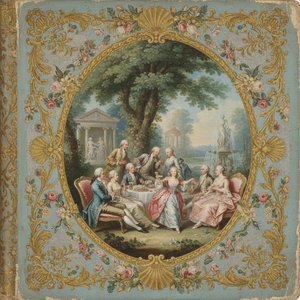

The Elegance of Rococo: A Journey Through Pastel Dreams and Ornate Splendor
Embark on an elegant journey through the Rococo era. Discover the delicate beauty of pastel masterpieces, the intricate artistry of 18th-century French masters, and how this era of ornate splendor continues to inspire timeless luxury in fine art collecting.
