

 实景预览
实景预览
 发送
发送 分享
分享
 详情
详情 指南
指南

 下载图片
下载图片
 相似作品
相似作品 X射线
X射线 幻灯片播放
幻灯片播放 统计数据
统计数据Galatea (?)
 1509
1509 63.0 x 100.0 cm
 阅读全文
阅读全文
购买高分辨率增强版数字图像,其品质远超在线预览。
每一份文件都由我们的内部专家使用先进工具与专业的后期润色技术精心打造。我们确保每一张图像都具备卓越的清晰度、精准的色彩还原度以及细腻的细节表现。
最终文件将在 72 小时内通过电子邮件交付,并针对专业、编辑及印刷用途进行了优化。其品质与顶级设计工作室、出版社和画廊所信赖的标准完全一致。
数字图像
下载高分辨率文件,用于个人展示、打印及创意项目。 ( 切换至版画销售渠道 订购此收藏品的纯手工复刻画作)
每份数字图像订单均包含的内容
专业级数字交付,品质无忧
选择 OriginalUniqueArt.com,您获得的不仅仅是一张图像——您收到的是经过专业级增强、精雕细琢的数字艺术作品,并享有满意保证。以下是您的订单中自动包含的所有内容:

即时邮件交付
您的高分辨率数字图像文件将在下单后 72 小时内通过电子邮件发送给您 —— 即可立即使用。

AI 增强型数字图像
您的艺术品经过专业优化,结合先进的 AI 技术与人工修饰,确保呈现极致的细节、清晰度与色彩准确度。

终身免费重发服务
不小心删除了文件或找不到了?没关系——我们将随时为您免费重发。

无需进口税费,始终如一
即刻拥有您的艺术作品,无需支付任何关税、税费或运费——数字下载始终免税。

色彩精准保障
我们通过专业工具与色彩管理技术,确保您的数字图像尽可能真实地还原原作色彩。

100天满意保证
如果您对所购数字图像不满意,我们将在100天内为您进行修改或提供100%的全额退款——无需任何理由。

100% 退款保证
不满意?在收到数字文件后的100天内,您可以申请全额退款——无需任何理由。

批量订购优惠
购买 3 张享 10% 折扣 - 购买 5 张享 15% 折扣 - 购买 10 张以上享 20% 折扣。非常适合创意项目、画廊及机构使用。
问答详情
我能否更详细地查看“Galatea (?)”?
宾图里科 的《Galatea (?)》 的 X 光视图可在作品的 X射线检测 页面查看:通过十一层光学图层对图像进行交互式深度解析。
哪里可以买到 宾图里科 的《Galatea (?)》 的版画?
“Galatea (?)”可通过 采用棉质帆布或档案级画布纸制作的艺术版画 进行购买。您可以在其 艺术版画 页面上根据您的需求选择尺寸并下单。
如何发现与 宾图里科 的《Galatea (?)》 风格相近的艺术品?
与 宾图里科 的《Galatea (?)》 相似的作品已汇集在作品的 相似作品 页面中。
艺术家简介
宾图里基奥那神秘的优雅:文艺复兴的大师
贝尔纳迪诺·迪·贝托,世人称之为“宾图里其奥”(Pinturicchio)——这个昵称因他矮小的身材而带有亲切的意味——于1454年诞生于艺术重镇佩鲁贾。他的生命历程正值文化剧烈变革的时代,意大利的高级文艺复兴正如火如荼地绽放;然而,宾图里基奥却开辟了一条独特的道路,将哥特传统中残留的优雅与那个时代蓬勃发展的创新完美融合。当达芬奇和米开朗基罗等巨匠致力于追求解剖学的完美与戏剧性的写实时,宾图里基奥却在磨炼一种以精致优雅、繁复细节及充满活力的装饰感为特征的风格。他的艺术旅程并非一场革命性的颠覆,而是一次极致的升华——这足以证明他拥有将既定形式转化为独特迷人意境的高超技艺。从翁布里亚画坊到教皇委任
宾图里基奥早期的训练历程仍笼罩在些许神秘之中,但普遍认为他在博尼菲利(Bonfigli)和菲奥伦佐·迪·洛伦佐(Fiorenzo di Lorenzo)等名气稍逊的佩鲁贾大师指导下磨练了技艺。当他进入翁布里亚画派领军人物彼得罗·佩鲁吉诺(Pietro Perugino)的圈子时,一个关键时刻到来了。根据乔尔乔·瓦萨里的记载,宾图里基奥曾担任佩鲁吉诺的助手,这段合作无疑塑造了他的艺术发展轨迹。这种联系在16世纪初为他赢得了罗马西斯廷礼拜堂的委任工作。通过与当时最著名的艺术家——包括波提切利、吉兰达约和西尼奥雷利——并肩工作,宾图里基奥为这一宏伟工程做出了贡献,尽管遗憾的是,他的壁画后来为了给米开朗基罗的《最后的审判》腾出空间而被毁坏。然而,这段经历却成为了他职业生涯中至关重要的跳板,让他接触到了新的影响并巩固了自己的名声。创作丰产期:罗马与博尔贾公寓
1484年至1492年间是宾图里基奥极其多产的时期,其活动重心主要位于罗马。他接受了德拉·罗韦雷(Della Rovere)等显赫家族的委任,用他独特的风格装饰了圣玛利亚德尔波波洛教堂内的礼拜堂。这些作品展示了他对湿壁画技艺的精湛掌握,其特点是人物细腻、背景华丽且充满了复杂的装饰图案。然而,真正奠定他在艺术史上地位的,是他为教皇亚历算大六世——罗德里戈·博尔贾(Rodrigo Borgia)所创作的作品。在1492年至1494年间,受命装饰梵蒂冈宫内的博尔贾公寓,宾图里基奥创作了一系列房间,其壁画内容涵盖了神话场景、肖像以及寓言表现,装饰得极其奢华。尽管由于与臭名昭著的博尔贾家族有关联而饱受争议,这些公寓仍是文艺复兴装饰艺术的卓越典范,展现了宾图里基奥将古典母题与自身独特审美感官相结合的能力。金箔的使用、鲜艳的色彩以及错视技法的运用,营造出一种富丽堂皇的气氛,映射出教廷权力和野心的勃发。遗产与持久的影响
宾图里基奥的艺术遗产是一种精致优雅与严谨匠心的结合。虽然他的名声或许不及同时代的某些巨匠,但他对后世艺术家的影响却是不可磨灭的。他那独特的风格——哥特式优雅与文艺复兴创新的和谐统一——引起了那些欣赏含蓄与细节之美的人们的共鸣。他展现出了非凡的能力,能够创作出既具审美愉悦感又具思想启发性的视觉震撼作品。他在锡耶纳皮科洛米尼图书馆(Piccolomini Library)的作品完成于1513年他去世前不久,这正是他持久才华的明证。那些描绘教皇庇护二世生平场景的壁画,展现了清晰的形式与色彩,预示了高级文艺复兴风格的到来。时至今日,宾图里基奥的艺术依然令观众着迷,为人们提供了一个窥见美、精致与艺术造诣的世界——在这个世界里,一位“小画家”那细腻的笔触在意大利文艺复兴艺术的版图上留下了永恒的印记。- 代表作品:西斯廷礼拜堂壁画(已毁)、梵蒂冈博尔贾公寓、锡耶纳皮科洛米尼图书馆。
- 影响因素:佩鲁吉诺、翁布里亚画派、哥特传统。
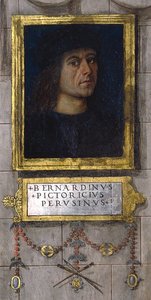
宾图里科
1454 - 1513 , 意大利
概览
- 代表作品:
- 西斯廷礼拜堂壁画
- 博尔贾公寓装饰
- 圣奥古斯丁
- 无题 (739)
- 全名: 贝尔纳迪诺·迪·贝托
- 出生地: 意大利,佩鲁贾
- 出生日期: 1454年
- 去世日期: 1513年
- 受此艺术家影响的艺术家或运动: ['拉斐尔']
- 国籍: 意大利
- 影响此艺术家的艺术家:
- 佩鲁吉诺
- 博恩菲利
- 洛伦佐的菲奥伦佐
- 艺术运动或风格: 文艺复兴