

 效果预览
效果预览
 购买手绘画作
 分享
分享 分享
分享
 详情
详情

 下载
下载
 相似作品
相似作品 X射线
X射线 幻灯片播放
幻灯片播放The Concert
 Acrylic On Canvas
- WallArt
- Rococo Painting
 1741
1741 60.0 x 48.0 cm
 Gallerie dell'Accademia
 展开详情
展开详情




P118B $10

P118H $10

P118W $10

P438Z $10

P508JH $12

P508YH $12

P805H $10

P805Z $10

P919BZ $10

P919G $10

P919XJ $10

P959ZH $10

P968JZ $12

W106C $8

W218G $10

W218JH $8

W218Y $10

W307PJ $10

W316G $10

W316PJ $8

W316Y $10

W398PJ $8

W4111J $10

W500HY $15

W500JH $15

W692G $12

W849H $8

W940BG $15

W953PJ $8




从与原作比例一致的预设尺寸中进行选择。

您可以输入自定义尺寸,以适配特定的画框或空间。如果您选择的尺寸与原图比例不符,我们将对作品进行裁剪,或通过镜像填充/纯色填充边缘的方式来扩展图像。在开始制作之前,我们会向您发送一份数字效果图供您确认。
请注意,屏幕上的预览并不能反映实际的裁剪或扩展效果。只有效果图才能准确展示最终的构图。
虽然我们提供定制尺寸,但为了保持原图比例,我们建议您从预设列表中选择尺寸。


 玻璃选项仅适用于110厘米以下的尺寸。

The Concert
艺术微喷/版画
复制品尺寸
-


最终总价
$ 80
藏品详情
The Concert: A Venetian Intimacy
Pietro Longhi’s “The Concert,” painted in 1741, isn't merely a depiction of an evening gathering; it’s a meticulously crafted window into the heart of 18th-century Venice – a society both refined and subtly observant. Far removed from the grand historical narratives favored by many of his contemporaries, Longhi chose to capture the quiet dramas unfolding within the walls of bourgeois homes, offering a remarkably intimate glimpse into the lives of Venetian citizens. The painting immediately draws the eye with its warm, inviting palette—a blend of ochres, reds, and golds that evokes the flickering light of candlelight dancing across richly upholstered furniture. It’s a scene brimming with understated elegance, yet subtly hinting at the complexities beneath the surface of polite society.
The composition itself is deceptively simple, yet remarkably dynamic. A woman, presumably the hostess, sits poised on a bed, her hands gracefully supporting a violin – an instrument central to Venetian musical life. She appears to be singing, her posture suggesting both confidence and a touch of vulnerability. Around her, a group of figures are engaged in various activities: some listening intently, others conversing animatedly, while a young man playfully leans towards the woman, perhaps offering a flirtatious glance. The inclusion of a bird perched on a chair adds an unexpected element of charm and whimsy, subtly disrupting the formality of the scene and hinting at a more carefree spirit.
A Rococo Masterpiece: Style and Technique
“The Concert” firmly establishes Longhi as a key figure in the Venetian Rococo style. This movement, flourishing during the 18th century, prioritized elegance, grace, and a celebration of everyday life. Unlike the rigid formality of Baroque art, Rococo embraced asymmetry, delicate ornamentation, and a sense of playful informality. Longhi’s brushwork is remarkably fluid and loose, contributing to the painting's overall feeling of warmth and spontaneity. Notice how he uses broken color—small, distinct strokes of paint—to create texture and depth, particularly in the fabrics and furnishings. The figures are rendered with a remarkable degree of realism, yet imbued with a sense of charm and personality. The use of chiaroscuro – the dramatic contrast between light and shadow – further enhances the painting’s visual impact, drawing attention to key elements and creating a sense of depth.
Longhi's technical skill is evident in his masterful depiction of domestic interiors. He meticulously captures the details of the room—the ornate furniture, the delicate porcelain vase, the grandfather clock – each element contributing to the painting’s overall atmosphere. The perspective is carefully considered, creating a sense of space and inviting the viewer into the scene. The artist's attention to detail extends beyond mere representation; he seems to be conveying a feeling, an essence, of the moment captured on canvas.
Venetian Society: Context and Symbolism
To fully appreciate “The Concert,” it’s crucial to understand the social context in which it was created. Venice in the 18th century was a vibrant hub of commerce, art, and culture—a city where wealth and privilege coexisted with poverty and intrigue. Longhi's paintings offer a rare glimpse into the lives of the Venetian bourgeoisie – the merchants, bankers, and artisans who formed the backbone of the city’s economy. The scene depicted in “The Concert” reflects the values and customs of this social class—a love of music, refined conversation, and elegant entertainment.
Symbolism plays a subtle but significant role throughout the painting. The violin itself is a potent symbol of musicality and refinement, while the gathering represents the importance of social connection and leisure. The presence of the bird could be interpreted as a symbol of joy or good fortune. Even the seemingly mundane details—the clock, the vase—carry symbolic weight, reflecting the values and aspirations of Venetian society. The painting is not simply a snapshot of a particular moment; it’s a carefully constructed representation of an entire worldview.
Emotional Resonance: A Moment of Quiet Delight
Despite its historical context, “The Concert” possesses a remarkable emotional resonance that continues to captivate viewers today. It's a painting about connection, intimacy, and the simple pleasures of life—a reminder that even in the midst of bustling city life, moments of quiet delight can be found within the walls of one’s own home. The scene exudes a sense of warmth, conviviality, and understated charm. The figures seem genuinely engaged with each other, lost in the enjoyment of music and conversation.
Reproductions of “The Concert” offer an exceptional opportunity to bring this captivating Venetian scene into your own space. Whether you’re seeking to add a touch of elegance to a formal living room or create a cozy atmosphere in a study, this painting's timeless appeal will undoubtedly enhance any setting. It is more than just a beautiful image; it’s a portal to another time and place—a testament to the enduring power of art to transport us beyond our own lives.
艺术家简介
威尼斯生活的编年史家
皮耶特罗·隆吉,原名彼得罗·法尔卡,于1701年11月5日出生在威尼斯。他并非描绘宏大的历史叙事或神话场景,而是捕捉着这座城市优雅府邸和繁华街道中静谧的戏剧性时刻。他以其机智的类型画而闻名——对18世纪威尼斯人生活的亲密一瞥,与当时流行的艺术趋势背道而驰。作为银匠亚历山德罗·法尔卡的儿子,隆吉早期的训练在维罗纳画家安东尼奥·巴莱斯特拉门下开始,后者认识并培养了这位年轻艺术家的才华。这种传统技巧的基础后来将成为他所选主题的创新精神的微妙反衬。他在开始艺术生涯时采用了“隆吉”这个姓氏,象征性地抛弃了他父亲的手艺,追求绘画事业。从宗教场景到威尼斯内景
隆吉早期的作品反映了那个时代的期望:祭坛画和宗教主题占据了他的早期作品集的主导地位。他1732年为圣佩莱格里诺教堂创作的祭坛画展示了他娴熟的传统绘画技巧,展现出具有威尼斯绘画特色的断笔法和鲜艳的色彩釉料。然而,直到1730年代末期,隆吉才真正找到自己的声音,转向小规模类型场景,这些场景将定义他的遗产。这种转变不仅仅是主题的变化;它代表了对当时兴起的社会和文化变革的积极参与。18世纪见证了人们对资产阶级私生活的日益关注,以及对家庭生活和日常仪式的重视。隆吉巧妙地捕捉到了这一转变,为观众提供了一个既迷人又略带讽刺意味的威尼斯社会的窗口。他于1732年与卡特琳娜·玛丽亚·里齐结婚,两人育有十一个孩子,但只有三个幸存到成年。这种个人生活虽然没有直接反映在他的艺术作品中,无疑塑造了他对经常描绘的家庭领域的理解。“威尼斯霍加斯”和讽刺的目光
隆吉很快获得了“威尼斯威廉·霍加斯”的称号,这证明了他有能力将看似无害的场景注入多层社会评论。像霍加斯一样,隆吉并不回避描绘人类的弱点和社会矛盾。然而,虽然霍加斯的讽刺往往尖锐而具有教化意义,但隆吉的讽刺则更加细致,充满着温和的反讽。他的画作中充斥着戴面具的人物——对威尼斯无处不在的狂欢节庆典的点头——从事各种活动,从赌博和调情到秘密会议和可疑交易。《信》就是一个充满暗示不当行为的场景,暗示了威尼斯社会隐藏的暗流。他不仅仅是在记录生活原貌;他还在以一种狡猾的方式评论其复杂性和矛盾性。他捕捉这些细微之处的能力是他与众不同之处,使他的类型场景超越了单纯的文献记录,成为深刻的社会观察。技巧、影响和持久遗产
隆吉的绘画技巧和他所选的主题一样独特。他偏爱小幅画布,一丝不苟地描绘,注重细节。他的内景沐浴在柔和的光线下,营造出一种亲密而真实的气氛。他拥有非凡的能力来描绘纹理——丝绸的光泽、木材的粗糙、织物的精致褶皱——为他的场景增添深度和真实感。虽然受到早期威尼斯大师如朱塞佩·玛丽亚·克雷斯皮的影响,但隆吉开创了自己的道路,预示了后来类型绘画的发展。他的作品与同时代的观众产生了共鸣,他们欣赏他捕捉时代精神的能力。他甚至从1763年起担任绘图和雕刻学院院长,进一步巩固了他于威尼斯艺术界的地位。 他的儿子亚历山德罗·隆吉也成为一名画家,后来协助他完成肖像委托。皮耶特罗·隆吉于1785年5月8日去世,留下了一系列至今仍在吸引和吸引观众的作品。 他仍然是威尼斯艺术史上一个重要的人物,以其独特的观察、机智和技术技巧的融合而闻名——一位真正的18世纪生活编年史家。Notable Works
- 裁缝 (Gallerie dell'Accademia, Venice)
- 洗礼 (Fondazione Querini Stampalia, Venice)
- 画室中的画家 (Ca’ Zenobio, Venice)
- 音乐会
- 江湖郎中
- 犀牛展览 (National Gallery, London)

彼得·隆基 (Bǐdé·Lóngjī)
1701 - 1785 , 意大利
艺术家简介
- Artistic Movement Or Style: 威尼斯绘画,洛可可
- Artists Or Movements Influenced By This Artist: ['威廉·荷加斯']
- Artists Who Influenced This Artist:
- 安东尼奥·巴莱斯特拉
- 朱塞佩·玛丽亚·克雷斯皮
- Date Of Birth: 1701年11月5日
- Date Of Death: 1785年5月8日
- Full Name: 皮耶特罗·隆吉
- Nationality: 意大利国籍
- Notable Artworks (List Of Titles):
- 裁缝
- 受洗礼
- 画室中的画家
- Place Of Birth (City And Country): 意大利威尼斯
相关文章

Pietro Longhi's Venetian Scenes: A Study of Rococo Society & Domestic Life
Explore the captivating world of Pietro Longhi's Venetian scenes! Discover insightful analysis of his Rococo masterpieces & social commentary on 18th-century life. Learn about this 'Venetian Hogarth' and his lasting artistic legacy.

洛可可美学:18世纪艺术中的奢华、反叛与愉悦追求
深入探索18世纪洛可可艺术的奢华与反叛。了解其风格特征、代表画家及其作品,以及对后世艺术的影响。OriginalUniqueArt提供精美手绘油画复制品和专业艺术咨询服务。

洛可可艺术史诗:十幅名作定义优雅与华彩
探索洛可可艺术的辉煌!本文精选十幅名作,从华丽色彩到精致细节,揭秘法国洛可可风格的魅力。跟随大师们的足迹,感受艺术史上的优雅与浪漫。OriginalUniqueArt.com为您提供博物馆品质的艺术复制品和个性化家居装饰方案。尽在OriginalUniqueArt.com!

Francesco Guardi: Venetian Light, Atmospheric Perspective & the Rococo to Neoclassical Transition
Explore the captivating world of Francesco Guardi, master of Venetian light and atmosphere. Discover his transition from Rococo to Neoclassicism, influence on Impressionism & investment potential with OriginalUniqueArt.
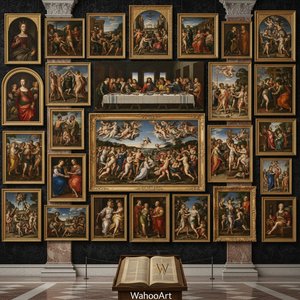
丁托列托25幅杰作:威尼斯光影大师的艺术传奇 | OriginalUniqueArt
探索丁托列托25幅杰作:深入了解这位威尼斯光影大师的艺术传奇!从宗教绘画到神话故事,感受文艺复兴与巴洛克风格的完美融合。OriginalUniqueArt.com提供高清艺术复制品和家居装饰灵感,点亮您的生活空间。立即探索完整系列!

