
 效果预览
效果预览
 购买印刷品
购买印刷品 分享
分享 分享
分享
 详情
详情

 下载
下载
 相似作品
相似作品 X射线
X射线 幻灯片播放
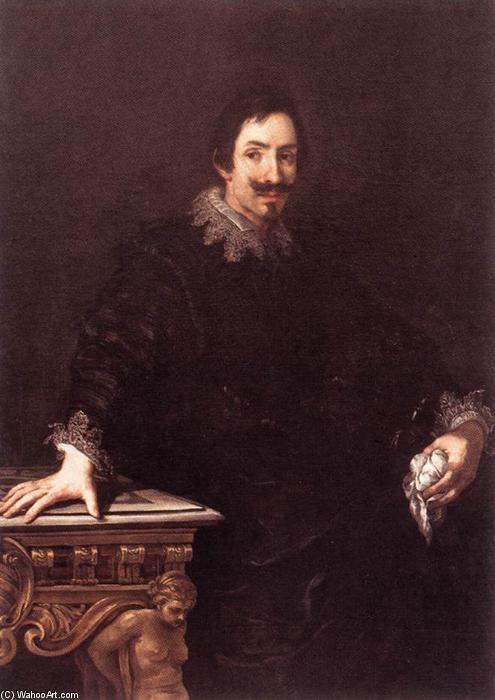
幻灯片播放Marcello Sacchetti
 Oil On Canvas
- WallArt
- Baroque
 1626
1626 133.0 x 98.0 cm
 博尔盖塞美术馆
 展开详情
展开详情




P118B $10

P118H $10

P118W $10

P438Z $10

P508JH $12

P508YH $12

P805H $10

P805Z $10

P919BZ $10

P919G $10

P919XJ $10

P959ZH $10

P968JZ $12

W106C $8

W218G $10

W218JH $8

W218Y $10

W307PJ $10

W316G $10

W316PJ $8

W316Y $10

W398PJ $8

W4111J $10

W500HY $15

W500JH $15

W692G $12

W849H $8

W940BG $15

W953PJ $8




从与原作比例一致的预设尺寸中进行选择。

您可以输入自定义尺寸,以适配特定的画框或空间。如果所选尺寸与原图比例不符,我们将通过裁剪作品或添加手绘元素来扩展画面。数字样稿将在制作开始前发送给您确认。
请注意,屏幕预览无法准确反映实际的裁剪或扩展效果,只有样稿才能真实呈现最终的构图。
虽然我们提供定制尺寸服务,但为了保留原作比例,建议您从预设列表中选择尺寸。
下单后,OriginalUniqueArt.com 团队将通过电子邮件联系客户获取具体要求,并提供效果预览图。


 玻璃选项仅适用于110厘米以下的尺寸。

Marcello Sacchetti
复制材质
复制品尺寸
-


最终总价
$ 300
作品详情
The Portrait of a Florentine Gentleman
Pietro da Cortona’s “Marcello Sacchetti, c. 1626” is not merely a portrait; it's a carefully constructed window into the opulent world of 17th-century Florence and Rome. The painting captures a man of considerable standing – likely a member of the influential Sacchetti family, whose history intertwined with Florentine politics and papal patronage – in a pose that balances dignified reserve with subtle engagement. The subject, dressed in the rich fabrics and elaborate details characteristic of the period, embodies the height of Baroque fashion: the lace at his collar and cuffs, the meticulously rendered folds of his velvet jacket, all speak to wealth and social position. His dark hair, neatly styled, and the carefully groomed mustache suggest a man accustomed to careful presentation, reflecting an era where appearances were paramount.
Baroque Drama and the Language of Light
Cortona’s masterful technique is immediately evident in the painting's dramatic use of chiaroscuro – the stark contrast between light and shadow. This isn’t simply a stylistic choice; it’s integral to the work’s emotional impact. The subject is bathed in a warm, golden light that highlights his face and hands, drawing the viewer’s eye directly to him. The darker background, rendered with subtle gradations of tone, creates a sense of depth and mystery, suggesting a world beyond the frame. This technique, borrowed from Caravaggio but refined by Cortona, elevates the portrait beyond a simple likeness, transforming it into a theatrical scene.
Notice how the artist uses light to sculpt the figure’s form, emphasizing his musculature and creating a sense of volume. The folds in his clothing are not merely decorative; they are carefully modeled with subtle shading, adding realism and texture. The composition itself is balanced and harmonious, reflecting the Baroque emphasis on grandeur and order.
A Family Legacy and Florentine Context
The painting’s subject, Marcello Sacchetti, belonged to a prominent family deeply rooted in Florentine history. The Sacchetti were not just wealthy merchants; they were active participants in Florentine politics, holding positions of influence within the Republic. Their involvement with figures like Dante Alighieri and their subsequent exile highlight the turbulent political landscape of Renaissance Florence. This portrait offers a glimpse into the lives of those who navigated this complex world – men of power, wealth, and social standing.
The painting’s creation coincided with a period of intense artistic innovation in Florence, as the city grappled with the legacy of the Medici family and sought to establish its own distinct cultural identity. Cortona's work reflects this spirit of experimentation and ambition, blending classical influences with the dramatic flair of the Baroque.
Symbolism and Emotional Resonance
While seemingly straightforward, “Marcello Sacchetti” is rich in subtle symbolism. The man’s direct gaze invites a connection between the viewer and the subject, suggesting an openness and honesty that contrasts with the formality of the attire. The small object held in his right hand – though somewhat obscured – could represent a token of importance or a symbol of his profession or status. The overall effect is one of quiet dignity and understated power, capturing not just a likeness but also the essence of a man who commanded respect within his social circle.
Today, this painting resides in the Galleria Borghese in Rome, a testament to its enduring beauty and historical significance. It stands as a remarkable example of Baroque portraiture, offering a captivating glimpse into the lives and aspirations of Florence’s elite during a pivotal era in Italian history. Reproductions capture the essence of Cortona's genius, allowing art lovers worldwide to appreciate this masterpiece.
艺术家简介
罗马巴洛克中的托斯卡纳之光
彼得罗·贝雷蒂尼,后世更知为彼得罗·达·科尔托纳(Pietro da Cortona),诞生于1596年,源自托斯卡纳起伏的丘陵地带,最终成长为意大利巴洛克艺术界一位决定性的巨匠。他出生在后来赋予他更熟悉名字的科尔托纳小镇,从小便展现出与生俱来的艺术敏感性,并在佛罗伦萨接受了安德里亚·科莫迪(Andrea Commodi)的教导熏陶。然而,真正点燃他天才火花的,却是罗马——这座充满艺术创新的脉动之心。大约在1612/3年抵达后,他进入了巴乔·奇阿尔皮(Baccio Ciarpi)的工作室,沉浸在一个错觉与戏剧性元素正在迅速重塑视觉图景的世界里。科尔托纳并非仅仅是吸收技艺;他正蓄势待发,要成为一位为教堂和宫殿创造令人窒息的奇观的大师。他早期的作品已经隐约流露出其成熟风格所具备的宏伟气度,展现出对构图的深刻理解,以及将复杂叙事转化为画布与壁画上的日益增长的信心。他很快便成为一位备受追捧的艺术家,接连获得了委托,这使他得以磨练技艺,并发展出自己独特的艺术风格。幻觉大师的崛起
科尔托纳的崛起是迅猛的,这得益于他的天赋和精明的赞助人网络。他在圣比比亚教堂(Santa Bibiana)绘制的壁画(1624-1626年),是在詹洛伦佐·贝尼尼(Gian Lorenzo Bernini)的密切关注下完成的里程碑式作品。这些作品不仅展示了他的技术精湛,更展现出一种将建筑与绘画融入统一、沉浸式体验的萌芽能力。他的风格已经开始脱离传统窠臼;他不再只是装饰空间,而是正在彻底地改造它们。早期大师的影响显而易见——提捷(Titian)和帕奥洛·维罗内塞(Paolo Veronese)那浓郁的色彩调性在他的作品中回响,而拉斐尔(Raphael)的构图优雅则为他自身的动态布局奠定了基础。然而,科尔托纳并未止步于模仿;他将这些影响提炼、综合,创造出独属于自己的风格,其特点是戏剧性的透视运用和对错视画法(trompe-l'œil)——欺骗人眼的艺术——日益精湛的掌握。早期为萨凯蒂家族(Sacchetti family)完成的委托作品,包括《波吕克塞娜的献祭》、《巴克斯的胜利》和《萨宾女人的劫掠》(1626年),进一步巩固了他的声誉,展现出他对戏剧性和叙事复杂性的独特天赋。这些早期的成功绝非仅仅是技艺的展示;它们是对艺术抱负的宣言,预示着将定义他一生的宏伟项目。巴贝里尼宫:一座不朽的丰碑
1633年是一个转折点,当时他接到了为教宗乌尔班八世的外甥弗朗西斯科·巴贝里尼枢机主教装饰巴贝里尼宫(Palazzo Barberini)的任务。这个项目绝不仅仅是又一项委托;它是一次创造宏大巴洛克艺术和教皇权力的宣言的绝佳机会。《神圣恩典与巴贝里尼家族权力寓言》点缀着宫殿的大厅,可以说是他最负盛名的成就。在这里,科尔托纳释放了他全部的幻觉技能。他创造了一个由人物、神祇和寓言形象组成的旋转漩涡,所有元素似乎都悬浮在半空中,将建筑空间延伸到了其物理极限之外。这片天花板并非仅仅是绘画;它就是空间本身,一个世俗权力以神圣授权而合法化的广阔领域。作品的动感、鲜艳的色彩和巨大的规模,确立了科尔托纳作为罗马巴洛克领军人物的地位,其影响力与赞誉甚至可以媲美贝尼尼和博罗米尼。它成为了随后整个欧洲天花板装饰的典范,激励着一代又一代的艺术家去挑战幻觉绘画的边界。巴贝里尼宫的委托意义远超艺术执行本身;它是关于构建一种意识形态,通过对空间和形式的大师级操纵,视觉化地展现了巴贝里尼家族的权力和合法性。超越壁画:建筑与不朽的遗产
尽管科尔托纳主要以画家闻名,但他同时也是一位才华横溢的建筑师,尽管他设计的许多建筑作品并未得以实现。他独特的风格偏爱富有创意的形式,以及与装饰元素的和谐融合。在整个职业生涯中,他持续接到了享有盛誉的委托,包括在罗马圣玛利亚·恩·瓦利切拉教堂和圣尼古拉·达托伦蒂诺教堂的作品。这些后期的项目展示了他风格的进一步完善,其特点是对戏剧性光影和情感强度的更深层次强调。他于1637年返回佛罗伦萨,并在1640年再次到访,以描绘“人四世”的壁画为巴贝里尼宫增添了属于自己的印记。彼得罗·达·科尔托纳于1669年在罗马逝世,留下的遗产至今仍在回响。他对错视画法的创新运用、对构图和色彩的大师级掌控,以及创造沉浸式、充满情感张力的环境的能力,巩固了他作为巴洛克时期最重要艺术家之一的地位。他所做的不仅仅是绘画或建造;他是召唤了世界,邀请观者走进一个艺术与现实模糊交融、神圣似乎触手可及的领域。影响与艺术血脉
- 早期影响:科尔托纳的 formative 年岁深受佛罗伦萨大师安德里亚·科莫迪的影响,这为他奠定了扎实的素描和构图原则基础。
- 罗马巴洛克大师们:他抵达罗马后,接触到了安尼巴莱·卡拉奇(Annibale Carracci)、卡拉瓦乔(Caravaggio)以及后来的贝尼尼和博罗米尼等艺术家的革命性作品。他吸收了他们对光影的戏剧化运用、动态的构图和强烈的情感张力。
- 威尼斯色彩主义:提捷和维罗内塞等威尼斯画家的丰富色谱和大气效果,深刻影响了科尔托纳的绘画方法,为他的作品增添了一种感性的质地。
- 彼得罗·保罗·乌巴尔迪尼(Pietro Paolo Ubaldini):一位忠实的追随者,继承了科尔托纳建立的传统,展示了这位艺术家对后世画家的持久影响。

皮耶特罗·达·科尔托纳
1596 - 1669 , 意大利
艺术家简介
- Artistic Movement Or Style: 巴洛克
- Artists Or Movements Influenced By This Artist:
- 欧洲艺术家
- 错觉画家
- Artists Who Influenced This Artist:
- 提itian
- 帕奥洛·维罗内塞
- 拉斐尔
- Date Of Birth: 1596年
- Date Of Death: 1669年
- Full Name: 皮埃特罗·达·科尔托纳
- Nationality: 意大利人
- Notable Artworks:
- 荣耀中的神
- 守护天使
- 神圣恩典的寓言
- Place Of Birth: 科尔托纳, 意大利
相关文章
达芬奇25幅杰作:艺术、科学与永恒的辉煌 | OriginalUniqueArt
探索达芬奇25幅杰作!深入了解文艺复兴大师列奥纳多·达·芬奇的艺术传奇,欣赏《蒙娜丽莎》、《最后的晚餐》等经典绘画。OriginalUniqueArt.com提供博物馆级复制品和家居装饰灵感。在线探索完整系列!

Pietro da Cortona: Baroque Grandeur & the Synthesis of Roman Painting
Explore the life & masterpieces of Pietro da Cortona, a defining figure of the Italian Baroque. Discover his stunning frescoes at Palazzo Barberini and lasting influence on Roman art history. Learn more with OriginalUniqueArt.

Drama and Light: A Definitive Guide to the Italian Baroque Masterpieces and the Revolution of Chiaroscuro
Explore the dramatic world of Italian Baroque art. Discover how masters like Caravaggio used chiaroscuro and tenebrism to revolutionize painting through light, shadow, and profound realism. A definitive guide for history lovers and art collectors.

Leonardo da Vinci: A Renaissance Master’s Synthesis of Art, Science & Human Observation – Reinterpreted for the Collector
Explore Leonardo da Vinci’s timeless masterpieces with OriginalUniqueArt. Discover insights into his art, science, and legacy – trusted expertise for discerning collectors seeking authentic reproductions & investment opportunities.

巴洛克戏剧性:将辉煌与情感融入当代室内设计
探索巴洛克艺术的辉煌与奢华!OriginalUniqueArt提供精湛的手工油画复制、定制服务和专业艺术咨询,助您将经典作品融入当代室内设计,提升家居品味。投资艺术,传承价值。

