

 效果预览
效果预览
 购买印刷品
购买印刷品 分享
分享 分享
分享
 详情
详情

 下载
下载
 相似作品
相似作品 X射线
X射线 幻灯片播放
幻灯片播放Jephthae's Daughter
 Oil On Canvas
- WallArt
- Flemish Baroque
 1640
1640 48.0 x 64.0 cm
 冬宫博物馆 (Hermitage Museum)
 展开详情
展开详情




P118B $10

P118H $10

P118W $10

P438Z $10

P508JH $12

P508YH $12

P805H $10

P805Z $10

P919BZ $10

P919G $10

P919XJ $10

P959ZH $10

P968JZ $12

W106C $8

W218G $10

W218JH $8

W218Y $10

W307PJ $10

W316G $10

W316PJ $8

W316Y $10

W398PJ $8

W4111J $10

W500HY $15

W500JH $15

W692G $12

W849H $8

W940BG $15

W953PJ $8




从与原作比例一致的预设尺寸中进行选择。

您可以输入自定义尺寸,以适配特定的画框或空间。如果所选尺寸与原图比例不符,我们将通过裁剪作品或添加手绘元素来扩展画面。数字样稿将在制作开始前发送给您确认。
请注意,屏幕预览无法准确反映实际的裁剪或扩展效果,只有样稿才能真实呈现最终的构图。
虽然我们提供定制尺寸服务,但为了保留原作比例,建议您从预设列表中选择尺寸。
下单后,OriginalUniqueArt.com 团队将通过电子邮件联系客户获取具体要求,并提供效果预览图。


 玻璃选项仅适用于110厘米以下的尺寸。

Jephthae's Daughter
复制材质
复制品尺寸
-


最终总价
$ 300
作品详情
A Window into Faith: Pieter van Lint’s “Jephthae’s Daughter”
Pieter van Lint's "Jephthae’s Daughter," painted around 1640, is more than just a depiction of a poignant biblical tale; it’s a masterful exploration of human emotion and the weight of sacrifice. This oil on panel, now meticulously reproduced in exquisite detail, transports us to a moment of profound sorrow and quiet dignity within the narrative of Judges 11. Van Lint, a key figure bridging the late Renaissance and burgeoning Baroque styles in Antwerp, doesn't simply illustrate the story; he imbues it with an almost palpable sense of grief and acceptance. The painting’s power lies not just in its subject matter but in the artist’s skillful manipulation of light, color, and composition to convey a deeply felt emotional truth.The Story Unfolds: Biblical Narrative and Dramatic Composition
The scene captures the aftermath of Jephthae's tragic vow – his daughter’s life offered as a sacrifice to appease the gods after winning victory in battle. The young woman, rendered with remarkable sensitivity, stands poised on the edge of a riverbank, her gaze fixed upon the distant horizon. Her posture is one of quiet resignation, yet there’s an underlying strength and nobility in her bearing. Van Lint masterfully uses diagonal lines – the river flowing towards the viewer, the girl's stance – to draw our eye into the scene and emphasize the dramatic tension. The inclusion of a horse, partially obscured by shadow, subtly hints at the recent conflict and the price paid for victory. The composition isn’t merely representational; it’s carefully constructed to maximize emotional impact, guiding the viewer through the narrative's heartbreaking progression.Baroque Techniques: Light, Color, and Texture
Van Lint’s artistic approach is firmly rooted in the Baroque tradition, evident in his masterful use of chiaroscuro – the dramatic interplay of light and shadow. He employs a rich palette of earthy tones—ochres, browns, and deep reds—to create a sense of depth and realism. Notice how the light catches the girl's face, illuminating her features with an almost ethereal glow, while the surrounding landscape remains shrouded in shadow. This contrast not only highlights the central figure but also reinforces the painting’s somber mood. The artist’s brushwork is meticulously detailed, particularly in rendering the textures of the clothing and the flowing water, adding a tactile quality to the scene. The subtle variations in color and tone contribute significantly to the overall sense of realism and emotional resonance.Symbolism and Emotional Resonance: A Portrait of Sacrifice
Beyond its narrative content, “Jephthae’s Daughter” is rich in symbolic meaning. The river itself represents transition – a passage from life to death, from earthly concerns to the unknown. The girl's posture suggests not just sorrow but also acceptance and a willingness to fulfill her father’s vow. The distant horizon symbolizes hope and perhaps even redemption, offering a glimmer of solace amidst the tragedy. Van Lint doesn’t shy away from depicting the raw emotion of the scene; the girl’s expression is one of profound sadness, yet there's an underlying dignity that speaks volumes about her character. The painting invites contemplation on themes of faith, sacrifice, and the enduring power of human resilience in the face of adversity.A Timeless Masterpiece: Reproductions for Today’s Spaces
Today, through meticulous reproductions like this one, “Jephthae’s Daughter” continues to captivate audiences with its emotional depth and artistic merit. Whether adorning a study, a gallery wall, or a corporate lobby, this artwork evokes contemplation and offers a poignant reminder of the complexities of human experience. OriginalUniqueArt.com's high-quality reproductions faithfully capture Van Lint’s original vision, ensuring that this timeless masterpiece can be enjoyed by art lovers for generations to come. Consider framing it in a classic wooden frame or opting for a sleek, minimalist design – either choice will complement the painting’s inherent beauty and elevate your space with a touch of historical elegance.艺术家简介
Pieter van Lint: A Flemish Master Bridging Antiquity and Baroque
Pieter van Lint (1609-1690), a name perhaps less familiar than his contemporaries Rubens or Van Dyck, nevertheless stands as a significant figure in the vibrant artistic landscape of 17th-century Antwerp. Born into a family deeply rooted in the art world – his father, Hendrik Frans van Lint, was a celebrated vedute painter in Rome – Pieter inherited not only a legacy but also a profound understanding of artistic technique and a restless spirit for exploration. His career spanned decades, encompassing diverse styles and commissions, reflecting a remarkable adaptability and a constant engagement with the prevailing trends of his time.
Van Lint’s early training under Artus Wolffort in Antwerp laid the foundation for his skill in historical painting and portraiture. Crucially, however, his formative years were spent immersed in the artistic traditions of the Flemish Baroque, particularly through frequent visits to the city's churches. These pilgrimages weren’t merely acts of devotion; they served as invaluable apprenticeships, allowing him to meticulously copy the works of masters like Peter Paul Rubens, Marten de Vos, and the Francken brothers – absorbing their compositional strategies, color palettes, and masterful rendering of texture. This deliberate study of his predecessors is evident in many of his early works, which demonstrate a clear debt to Wolffort’s academic style, itself influenced by Otto van Veen's classical approach.
Roman Influences and the Pursuit of Classicism
In 1633, Van Lint achieved the coveted status of master in the Guild of Saint Luke, marking his transition into independent practice. Shortly thereafter, he embarked on a transformative journey to Rome – a period that fundamentally shaped his artistic development. Unlike many Flemish artists who simply replicated Italian styles, Van Lint embraced the Roman environment with an open mind, actively seeking out and studying the legacy of antiquity. He meticulously sketched ancient sculptures and architectural ruins, absorbing the principles of classical form and composition. This engagement with the antique is powerfully evident in his later works, particularly those produced during his time in Rome (1633-1640), where he developed a distinct style characterized by clear outlines, balanced compositions, and an interest in idealized beauty.
His work for Cardinal Domenico Ginnasi, Bishop of Ostia, exemplifies this shift. He frescoed the Cybo family chapel in the Santa Maria del Popolo with the legend of the True Cross – a monumental undertaking that showcased his burgeoning skills in large-scale painting and his growing command of classical motifs. This period also witnessed him experimenting with the *bamboccianti* genre, producing small, lively scenes depicting everyday life, reflecting a desire to capture human emotion and interaction.
A Master of Copies and Diverse Commissions
Van Lint’s career was marked by a remarkable versatility, encompassing religious paintings, historical narratives, portraits, and even tapestry designs. He skillfully navigated the demands of various patrons, from wealthy families like the Cibos to the Antwerp art trade network. A significant portion of his output consisted of meticulously executed copies of Peter Paul Rubens' oil sketches – a lucrative business that allowed him to refine his technique and gain further insight into the master’s methods. These copies, often produced on copper, were highly prized in Spain and the Spanish colonies for their durability and lustrous finish.
Beyond these commissioned works, Van Lint created numerous devotional paintings, frequently depicting scenes from the life of Mary Magdalene – a subject that resonated deeply with his artistic sensibilities. His ‘Marriage of the Virgin’ (1640), painted in Antwerp Cathedral, is a prime example of this style, showcasing his ability to imbue religious subjects with a sense of drama and emotional intensity. He also designed tapestries for prominent weavers, demonstrating his broader creative talents.
Legacy and Artistic Connections
Van Lint’s influence extended beyond his own creations. He mentored several promising artists, including Caerel de las Cuevas, Jan-Baptista Ferrari, and Godfried Maes, ensuring the continuation of his artistic lineage. His son, Hendrik Frans van Lint, followed in his father's footsteps, establishing himself as a celebrated landscape painter in Rome – further demonstrating the family’s commitment to artistic excellence.
While Pieter van Lint may not be as widely recognized as some of his contemporaries, his work represents a crucial link between the Flemish Baroque and the burgeoning classical influences of the 17th century. His ability to synthesize diverse styles—from the academic traditions of Wolffort to the dynamism of the *bamboccianti* and the ideals of antiquity—solidifies his position as a significant and enduring figure in the history of Antwerp art.

Pieter van Lint
1609 - 1690 , Belgium
艺术家简介
- Artistic Movement Or Style: Flemish Baroque
- Artists Or Movements Influenced By This Artist:
- Otto van Veen
- Bamboccianti
- Artists Who Influenced This Artist:
- Artus Wolffort
- Peter Paul Rubens
- Date Of Birth: 1609, Antwerp
- Date Of Death: 1690, Antwerp
- Full Name: Pieter van Lint
- Nationality: Flemish
- Notable Artworks:
- Marriage of the Virgin
- Mary Magdalene
- Place Of Birth: Antwerp, Belgium
相关文章

伦勃朗25幅杰作:光影大师的艺术传奇与家居臻选
探索伦勃朗25幅杰作,领略荷兰黄金时代光影大师的艺术传奇!从《夜巡》到自画像,深入了解巴洛克艺术、历史绘画与人物肖像背后的故事。OriginalUniqueArt.com提供高清艺术复制品及家居装饰灵感。立即探索完整系列!

Early Netherlandish Masters: 10 Paintings That Revolutionized Art & Decor
Journey into the world of Early Netherlandish painting! Explore 10 masterpieces by Jan van Eyck, Rogier van der Weyden & more. Discover stunning detail, symbolism & Renaissance art for your home decor. Find museum-quality reproductions on OriginalUniqueArt.com

Early Netherlandish Masters: 10 Paintings That Revolutionized Art & Decor
Journey into the Early Netherlandish Renaissance! Explore 10 iconic paintings by Jan van Eyck, Rogier van der Weyden & more. Discover stunning detail, symbolism, and oil painting techniques. Find museum-quality art reproductions for your home at OriginalUniqueArt.com.

Hugo van der Goes: Devotion, Innovation & the Psychological Depth of Early Netherlandish Painting
Explore the revolutionary art of Hugo van der Goes – a master of Early Netherlandish painting renowned for his dramatic realism, psychological depth & profound influence on Renaissance artists. Discover his iconic works and lasting legacy.
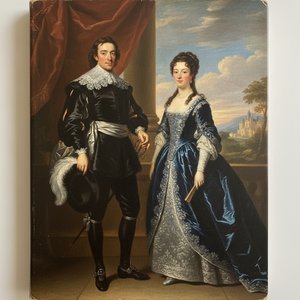
Sir Anthony van Dyck: Courtly Portraiture & the Shaping of Baroque Identity
Explore the life & legacy of Sir Anthony van Dyck, the leading court painter of his era. Discover his innovative portraiture, Baroque masterpieces, and investment potential for discerning collectors. Learn more at OriginalUniqueArt.

