
 实景预览
实景预览
 分享
分享 分享
分享
 详情
详情 指南
指南

 下载作品
下载作品
 相似作品
相似作品 X射线
X射线 幻灯片播放
幻灯片播放 Q&A
Q&A 统计数据
统计数据Musical Trio


 展开全文
展开全文
艺术微喷/版画
博物馆级艺术微喷或帆布版画,制作高效,并提供多种饰面选择。 ( 订购纯手工绘制画作 切换至数字图像销售渠道)




































您可以从与原作比例一致的预设尺寸中进行选择。

请输入您所需的宽度和高度,以适配您的画框或墙面。由于印刷品只能进行裁剪,无法超出原图尺寸,因此若比例不一致,画面的一部分将会被裁切。在正式印刷之前,我们会为您发送一份数字效果图供您确认。本页面显示的图片并非最终裁剪后的效果——只有效果图才能展示真实的裁剪情况。


 玻璃选项仅适用于110厘米以下的尺寸。

Musical Trio
艺术微喷/版画
复刻品尺寸
-


最终结算价
¥ 537
A Moment of Refined Leisure: Pieter de Grebber's "Musical Trio"
Step into a world of quiet elegance and artistic refinement with Pieter de Grebber’s captivating “Musical Trio,” painted in 1623. This exquisite oil on canvas transports us to the intimate setting of a Dutch Golden Age home, where music and intellectual pursuits intertwine. The scene depicts three figures – a woman seated at a desk, a gentleman attentively listening, and a young boy observing with rapt attention – engaged in what appears to be a shared musical experience. De Grebber masterfully captures a fleeting moment of domestic harmony, inviting viewers to contemplate the values and aesthetics of 17th-century Dutch society.Style & Technique: Baroque Realism
De Grebber’s style firmly resides within the Baroque tradition, yet infused with a distinct classicist sensibility influenced by his exposure to Peter Paul Rubens' work. The painting showcases remarkable realism, evident in the meticulous rendering of fabrics – note the delicate lace and intricate embroidery adorning the woman’s attire – and the nuanced expressions on each figure’s face. The artist employs chiaroscuro—the dramatic use of light and shadow—to create depth and three-dimensionality, drawing the eye to the central figures while subtly obscuring the background. This technique not only enhances the realism but also contributes to a sense of intimacy and focused attention within the scene. The brushwork is smooth and controlled, characteristic of Dutch Golden Age painting, allowing for incredible detail without sacrificing overall harmony.Historical Context & Symbolism
Created during the Dutch Golden Age (roughly 1602-1702), a period of unprecedented economic prosperity and cultural flourishing in the Netherlands, "Musical Trio" reflects the era’s emphasis on education, domesticity, and refined leisure. Music was highly valued within Dutch society, often associated with intellectual pursuits and social status. The presence of the open book suggests literacy and learning, further reinforcing the image of a cultured household. The figures' attire—particularly the woman’s elaborate dress—indicates their position within the upper echelons of society. While overt symbolism is subtle, the attentive gaze of the gentleman and boy towards the woman could be interpreted as representing respect for female intellect or perhaps hinting at familial relationships and mentorship. De Grebber's connection to Jan Albertszoon Ban, a priest and musicologist, further underscores the painting’s engagement with musical culture.Emotional Impact & Artistic Legacy
"Musical Trio" evokes a sense of tranquility, intellectual curiosity, and shared enjoyment. The quiet intimacy of the scene invites viewers to step into this world and momentarily share in their experience. De Grebber's ability to capture subtle emotions—the woman’s focused concentration, the gentleman’s attentive listening, the boy’s eager observation—is a testament to his skill as a portraitist and genre painter. As a student of Hendrick Goltzius and influenced by Rubens, de Grebber contributed significantly to the development of Dutch Golden Age painting, leaving behind a legacy of refined realism and evocative depictions of domestic life. His influence can be seen in later artists like Gerbrand van den Eeckhout and his own pupils, solidifying his place as a key figure in 17th-century art.常见问题与解答
是否可以下载"Musical Trio"的高分辨率版本?
若想获取 彼得·德·格雷伯 的《Musical Trio》 的数字版文件,请前往其 高分辨率数字图像 页面进行 高分辨率数字图像下载。
“Musical Trio”背后的艺术家与艺术风格是哪些?
彼得·德·格雷伯 在 Baroque 运动时期创作了《Musical Trio》。
"Musical Trio" 的色彩之间是如何相互关联的?
彼得·德·格雷伯 的《Musical Trio》 呈现出一种 Strong Color Unity 的色彩和谐感。
艺术家简介
哈勒姆古典主义的大师
在荷兰黄金时代那绚丽夺目的艺术织锦中,很少有像彼得·德·格雷伯(Pieter de Grebber)的作品那样,能被编织得如此优雅动人。1600年,他出生于历史悠久的哈勒姆城,出身于一个艺术与信仰交织的深厚家族。作为画家兼刺绣师弗兰斯·彼得斯·德·格雷伯的长子,他的艺术启蒙始于充满温情的家族作坊,在那里,画笔的律动与针线的穿梭早已融入了日常生活的呼吸之中。这种在天主教艺术世家的早期熏陶,赋予了他独特的文化视野,使他日后既能游刃有余地应对官方委任所展现的宏伟气象,亦能细腻地捕捉隐秘天主教堂中那份静谧而神圣的精神需求。
德·格雷伯的艺术修养绝非局限于一隅;他在传奇大师亨德里克·戈尔齐乌斯的悉心指导下精进技艺,吸收了古典主义兴起前那充满复杂韵味的风格主义传统。他的艺术历程展现了一种非凡的综合能力,能将多元的影响汇聚成一种独一无二的个人愿景。他从乌得勒支卡拉瓦乔主义者戏剧性的明暗对比中汲取力量,从彼得·保罗·鲁本斯那充满生命力的笔触中寻找能量,并从伦勃朗作品中所蕴含的心理深度中获得启迪。正是这种艺术上的融合,使他成为了哈勒姆古典主义的主要奠基人——这一流派以其洗练的清晰度、严谨的构图以及对淡雅色调的细腻运用为特征,为每一幅画布注入了鲜活的生命力。
光影与构图的传承
德·格雷伯作品的广度,见证了他作为一名“用色彩讲故事的人”所具备的多变才华。虽然他是一位肖像画大师,能以沉稳的笔触捕捉受画者的尊严与神韵,但其真正的风格创新却闪耀在历史画与风景画之中。他的创作往往摆脱了前辈们沉重的阴影,转向一种更加明亮、平衡的美学追求。这种艺术风格使他成为众多显赫建筑装饰项目的首选人才;他曾为纳尔德韦克的Huis Honselaarsdijk做出了卓越的装饰贡献,并参与了海牙Huis ten Bosch宫殿内Noordeinde宫的艺术创作。
除了精湛的画技,德·格雷伯更是一位具有深厚思想底蕴的学者。他对艺术形式原则的执着,促使他在1649年撰写了名为《Regulen welcke by...》的论著,试图为后世总结绘画的规范与法则。这种学术追求,结合他作为尼古拉斯·彼得斯·贝尔切姆和迪尔克·赫尔姆布雷克等著名门生的导师身份,确保了他的影响力在1652年逝世后,依然在荷兰艺术界激荡不息。
若要领悟彼得·德·格雷伯艺术精髓的真谛,应当从以下几个核心维度去审视他的艺术生涯:
- 艺术血脉:成长于哈勒姆显赫的艺术世家,直接承袭自父亲并受教于伟大的戈尔齐乌斯。
- 风格创新:哈勒姆古典主义的先驱,成功地将卡拉瓦乔主义的戏剧感与鲁本斯的优雅气质融为一体。
- 显赫委任:深受执政官弗雷德里克·亨德里克信赖,负责装饰重要的皇家与国家府邸。
- 思想贡献:一位卓有成就的理论家,试图通过文字论著来定义其时代的艺术标准。
尽管他在晚年于哈勒姆贝吉纳修道院过着相对宁静的生活,但他那明亮风景画与结构严谨的历史画所留下的印记却永不磨灭。他不仅是那个时代的画家,更是连接17世纪初期动荡能量与后来定义荷兰艺术巅峰的、那种沉稳而古典的优雅风格之间的重要桥梁。

彼得·德·格雷伯
1600 - 1652 , 荷兰
艺术家简介
- Artistic Movement Or Style: 巴洛克
- Artists Who Influenced This Artist:
- 卡拉瓦乔
- 鲁本斯
- 迈诺
- 哈尔斯
- 蓝盈
- 洪托斯特
- Date Of Death: 1652年
- Full Name: John Testicle
相关文章

Golden Light & Dutch Skies: The Timeless Magic of Dutch Golden Age Landscapes
Discover the breathtaking beauty of Dutch Golden Age landscapes. Explore the mastery of light, chiaroscuro, and 17th-century realism through an expert art history lens, celebrating the enduring legacy of the Dutch Masters for discerning collectors and art lovers.

Chiaroscuro and Character: A Definitive Guide to Light and Shadow in the Dutch Baroque Era
Explore the dramatic mastery of the Dutch Baroque era. Discover how masters like Rembrandt used chiaroscuro to transform everyday life into timeless art. An expert guide for collectors and enthusiasts seeking to understand the profound interplay of light and shadow.

荷兰黄金时代绘画:文化创新中的现实主义反思
深入探索荷兰黄金时代绘画的文化创新与现实主义反思。本文解读伦勃朗、维米尔等大师的作品,并结合玛莉特·韦斯特曼的图像学研究,揭示艺术史背后的社会语境与现代性意识觉醒。

荷兰黄金时代:十幅定义艺术史的巨作 | OriginalUniqueArt
探索荷兰黄金时代的艺术巅峰! 伦勃朗、维米尔等大师名作,带您领略巴洛克艺术的辉煌。高清画作、博物馆级品质,点亮您的家居空间。OriginalUniqueArt.com 提供精选艺术复制品和定制装饰方案。立即在线探索全系列!
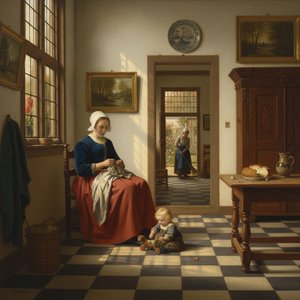
Pieter de Hooch: Illuminating Dutch Domestic Life & Golden Age Charm
Explore the captivating world of Pieter de Hooch, a master of Dutch Golden Age painting. Discover his innovative use of light, intimate domestic scenes, and lasting influence on art history. Learn more at OriginalUniqueArt.