
 实景预览
实景预览
 分享
分享 分享
分享
 详情
详情 指南
指南

 下载作品
下载作品
 相似作品
相似作品 X射线
X射线 幻灯片播放
幻灯片播放 问答
问答 统计数据
统计数据Market Scene

- 91.0 x 112.0 cm


 展开全文
展开全文
艺术微喷/版画
博物馆级艺术微喷或帆布版画,制作高效,并提供多种饰面选择。 ( 订购纯手工绘制画作 切换至数字图像销售渠道)




P118B ¥10

P118H ¥10

P118W ¥10

P438Z ¥10

P508JH ¥12

P508YH ¥12

P805H ¥10

P805Z ¥10

P919BZ ¥10

P919G ¥10

P919XJ ¥10

P959ZH ¥10

P968JZ ¥12

W106C ¥8

W218G ¥10

W218JH ¥8

W218Y ¥10

W307PJ ¥10

W316G ¥10

W316PJ ¥8

W316Y ¥10

W398PJ ¥8

W4111J ¥10

W500HY ¥15

W500JH ¥15

W692G ¥12

W849H ¥8

W940BG ¥15

W953PJ ¥8




您可以从与原作比例一致的预设尺寸中进行选择。

请输入您所需的宽度和高度,以适配您的画框或墙面。由于印刷品只能进行裁剪,无法超出原图尺寸,因此若比例不一致,画面的一部分将会被裁切。在正式印刷之前,我们会为您发送一份数字效果图供您确认。本页面显示的图片并非最终裁剪后的效果——只有效果图才能展示真实的裁剪情况。


 玻璃选项仅适用于110厘米以下的尺寸。

Market Scene
艺术微喷/版画
复刻品尺寸
-


最终结算价
¥ 544
A Symphony of Everyday Life: The World of Pieter Aertsen
In the bustling heart of a sixteenth-century marketplace, where the scent of fresh produce meets the vibrant energy of human commerce, lies the soul of Pieter Aertsen’s Market Scene. This masterpiece serves as more than a mere depiction of trade; it is a profound window into the Northern Renaissance, capturing a moment where the mundane and the monumental collide. As viewers gaze upon the crowded stalls and the focused figures navigating the square, they are invited into a meticulously constructed miniature world. Aertseb, often referred to as "Lange Piet," possessed an unparalleled ability to elevate the domestic narrative, transforming a simple gathering of merchants and peasants into a complex tapestry of human existence that resonates with timeless vitality.
The composition is anchored by a striking central figure—a man seated with a quiet, contemplative gravity, cradling a birdcage filled with life. This focal point acts as an emotional anchor amidst the surrounding movement. Around him, the marketplace breathes; figures lean into conversation, others tend to their wares, and the subtle presence of a hat-clad onlooker adds layers of social depth. The scene is rich with the tactile delights of the era: the smooth sheen of polished metal, the rustic texture of wooden bowls, and the delicate glint of glass bottles. For the discerning collector or interior designer, this painting offers a sense of grounded luxury, bringing an atmosphere of historical richness and organic warmth to any curated space.
Mastery of Technique and the Art of Realism
Aertsen’s technical prowess is nothing shortable of extraordinary, representing a pivotal bridge between the stylized elegance of Mannerism and the burgeoning observational truth of Realism. Utilizing oil on canvas, the artist employed a sophisticated method of applying thin, translucent glazes to achieve a luminous color palette. This technique allows light to appear as if it is emanating from within the objects themselves, lending a breathtaking glow to the fruits, vegetables, and utensils scattered throughout the scene. His command over texture is particularly noteworthy; one can almost feel the rough grain of the market stalls and the cool weight of the ceramic cups.
This dedication to accuracy was revolutionary for his time. While his predecessors often favored exaggerated proportions and artificiality, Aertsen embraced the beauty of the tangible. He pioneered a style where the "lower" subject matter—the food, the tools, and the people—takes center stage with such incredible detail that it demands reverence. This approach does not merely document a scene; it celebrates the sensory experience of living. For those seeking to adorn a home with art that inspires a connection to the physical world, Aertsen’s work provides an unparalleled sense of presence and substance.
Symbolism and the Legacy of the Northern Renaissance
Beyond its surface beauty, the Market Scene is steeped in the symbolic language characteristic of the Flemish tradition. In the works of Aertsen, every object carries a potential weight of meaning. The abundance of food and the lively birds within the cage can be interpreted as metaphors for fertility, the fleeting nature of life, or even hidden religious allegories that were common in the Antwerp school. He was a master of "inversion," a technique where he would place a grander, often biblical narrative in the distant background, forcing the viewer to first confront the reality of the material world before discovering the spiritual truth hidden within it.
This layering of meaning ensures that the painting remains intellectually stimulating long after the initial visual impact has faded. It is an artwork that rewards slow looking and deep contemplation. As a high-quality reproduction, this piece serves as a magnificent conversation starter, offering both aesthetic splendor and historical depth. Whether placed in a sunlit gallery or a sophisticated study, Aertsen’s vision of the marketplace continues to enchant, reminding us that there is profound beauty and infinite complexity to be found in the simplest moments of our daily lives.
常见问题与解答
"Market Scene" 使用了怎样的色彩搭配?
彼得·阿特森 的《Market Scene》 采用了 Earthy 色调,这一色调概括了作品整体的色彩特征。
“Market Scene”的主题是什么?
彼得·阿特森 的《Market Scene》 描绘了:man, birds, bird cage, people, marketplace, buildings, bowl, cup。
哪种尺寸的 彼得·阿特森 的《Market Scene》 打印件更适合推荐的房间?
针对 Living Room,建议将 彼得·阿特森 的《Market Scene》 打印为 Large。
艺术家简介
彼得·阿特森:日常叙事的建筑师
彼得·阿特森,这个名字在艺术史的殿堂中时常低语,他是一位处于北方风格主义与荷兰黄金时代新兴写实主义之间鸿沟的关键人物。阿特森约于1508年出生于阿姆斯特丹,并在同一座城市悲剧性地逝世于1575年。他的艺术遗产并非由宏大的宗教委托或英雄肖像来定义,而是源于他对风俗画革命性的处理——一种对日常生活的刻意提升,其中交织着多层次的象征意义和叙事深度。他描绘的远不止是场景;他是在构建微缩的世界,邀请观者进入人类经验复杂而精妙的挂毯之中。
阿特森早期在阿拉特·克拉斯(Allaert Claesz)门下接受的训练,为他奠定了坚实的佛兰德斯传统技艺基础。然而,真正塑造其独特风格的,却是他迁居到安特卫普——这座16世纪中叶艺术创新的充满活力的心脏地带。安特卫普熙攘的气氛、多元的人口结构以及作为欧洲贸易十字路口的地位,孕育了一个极富实验精神的环境,这与当时更为僵化的宗教惯例形成了鲜明对比。在这里,他加入了著名的圣卢克公会,赢得了“朗赫·彼得”(Langhe Peter),意为“高个子彼得”的绰号,这一细节甚至常常被融入到他的肖像画中。
宏大风俗画的发明
阿特森对艺术最重大的贡献在于其开创性的工作——创造了如今被称为宏大风俗场景的作品。与早期那些将日常生活描绘在宗教构图的较小、次要空间中的作品不同,阿特森将日常活动——市场场景、屠夫店、静物画——直接置于画布的最前沿。这不仅仅是题材上的转移;它代表了艺术优先级的根本性转变。他刻意模糊了不同流派之间的界限——静物、风景和叙事——创造出需要观者积极参与的复杂构图。
其最著名的作品《屠夫店与逃往埃及》(1551年)便是这种革命性方法的典范。整个场景由一个精心描绘的屠夫摊位主导,上面堆满了肉类、蔬菜和工具——这是一幅令人惊叹细节的静物画,立刻抓住了观者的目光。然而,在这看似平凡的环境中,巧妙地交织着宗教叙事的元素:圣家一家逃往埃及的场景,被描绘在柜台上方的小面板上。这种现实的层次叠加——可触摸的商业世界与精神信仰领域并置——成为了阿特森作品的标志,并深刻影响了后世一代又一代的艺术家。
象征意义与物体的语言
阿特森的场景不仅仅是视觉上的震撼;它们富含着丰富的象征意义。每一个物体、每一个手势都承载着分量,并为更宏大的叙事或道德评论做出贡献。例如,静物画中物品的排列,可以代表世俗的享乐与精神的奖赏之间的对比,财富与贫困的对立,甚至是时间流逝的无常。而《屠夫店》尤其充满了象征意义:食物的丰盛代表着世俗的富裕,而牡蛎和贻贝的存在——它们与欲望相关联——则充当了一个警示的故事。
此外,阿特森还从像约阿希姆·帕蒂尼尔(Joachim Patinir)这样的早期艺术家那里汲取灵感。帕蒂尼尔曾开创性地在宗教场景中使用风景元素来营造氛围深度和视觉趣味。阿特森采纳了这种技巧,将微缩的风景——如教堂窗户、田园风光——融入到他的风俗构图中,进一步拓展了其叙事的广度,邀请观者同时沉思于多重现实。
影响与遗产
彼得·阿特森对后世艺术家的影响是不可否认的。他对风俗画的创新方法为荷兰静物画作为一个独立艺术流派的兴起铺平了道路,影响了像扬·桑德斯·范·海梅森(Jan Sanders van Hemessen)这样的艺术家,以及至关重要的他的儿子彼得·皮特尔斯(Pieter Pietersz the Elder)。阿特森对写实细节的强调,结合他对象征意义和叙事层次的精妙运用,为后世那些试图捕捉日常生活复杂性的艺术家树立了先例。
更值得注意的是,阿特森的作品预示了意大利绘画的发展趋势。文艺复兴的人文主义学者哈德里亚努斯·朱尼乌斯(Hadrianus Junius)将阿特森比作佩拉科斯(Peiraikos),一位古希腊画家,他以能用非凡的写实主义和象征深度描绘普通题材而闻名。这一比较突显了阿特森在挑战传统艺术规范和提升风俗画地位方面的开创性作用。
尽管他在阿姆斯特丹“圣像破坏运动”(即新教宗教改革时期的偶像砸毁运动)中许多作品遭到毁灭,但阿特森的遗产依然流传。他的画作持续吸引着艺术史学家和观者们的目光,为我们提供了一瞥那个平凡事物变得深奥、日常生活被转化为丰富意义挂毯的世界。

彼得·阿特森
1508 - 1575 , 荷兰
艺术家简介
- Artistic Movement Or Style: 北方风格主义
- Artists Or Movements Influenced By This Artist:
- 约阿希姆·帕蒂尼尔
- 佛兰德斯巴洛克
- Artists Who Influenced This Artist: ['阿拉特·克拉斯']
- Date Of Birth: 1508年,阿姆斯特丹
- Date Of Death: 1575年,阿姆斯特丹
- Full Name: 彼得·阿尔茨恩
- Nationality: 荷兰
- Notable Artworks:
- 屠夫店(乌普萨拉)
- 市场女人...
- 各种祭坛画
- Place Of Birth: 荷兰,阿姆斯特丹
相关文章

Chiaroscuro and Character: A Definitive Guide to Light and Shadow in the Dutch Baroque Era
Explore the dramatic mastery of the Dutch Baroque era. Discover how masters like Rembrandt used chiaroscuro to transform everyday life into timeless art. An expert guide for collectors and enthusiasts seeking to understand the profound interplay of light and shadow.

Northern Mannerism: The Dramatic Evolution of European Art through Elegant Distortion and Tension
Explore the dramatic evolution of Northern Mannerism. Discover how 16th-century artists moved from Renaissance harmony to elegant distortion, tension, and complex symbolism in European art history.

25 Must-See Masterpieces at the Mauritshuis: A Journey Through Dutch Golden Age Art
Step into the Dutch Golden Age with our curated guide to the 25 greatest masterpieces at the Mauritshuis. From Vermeer’s luminous light to Rembrandt’s drama, explore the stories behind these iconic works and find museum-quality art inspiration. Discover all masterpieces on OriginalUniqueArt.com.

Elegance & Distortion: A Cultural Reflection on the Captivating World of Northern Mannerism
Embark on a cultural journey through Northern Mannerism. Discover how artists moved from Renaissance harmony to an era of elegant distortion, psychological depth, and exquisite tension in the 16th-century European art landscape.
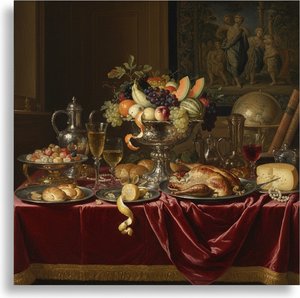
Abraham Hendricksz van Beyeren: Pioneering Dutch Still Life & the Banquet Tradition
Explore the captivating world of Dutch Golden Age still life with Abraham van Beyeren. Discover his innovative techniques, symbolic banquet scenes & lasting influence on art history. Learn about collecting these masterpieces.
