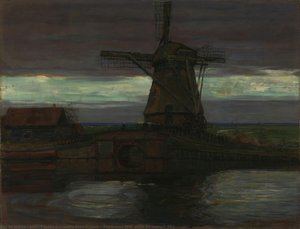
实景预览
实景预览
 分享
分享 分享
分享
 详情
详情 指南
指南

 下载作品
下载作品
 相似作品
相似作品 X射线
X射线 幻灯片播放
幻灯片播放 Q&A
Q&A 统计数据
统计数据Self-Portrait 1

 展开全文
展开全文
艺术微喷/版画
博物馆级艺术微喷或帆布版画,制作高效,并提供多种饰面选择。 ( 订购纯手工绘制画作 切换至数字图像销售渠道)




P118B ¥10

P118H ¥10

P118W ¥10

P438Z ¥10

P508JH ¥12

P508YH ¥12

P805H ¥10

P805Z ¥10

P919BZ ¥10

P919G ¥10

P919XJ ¥10

P959ZH ¥10

P968JZ ¥12

W106C ¥8

W218G ¥10

W218JH ¥8

W218Y ¥10

W307PJ ¥10

W316G ¥10

W316PJ ¥8

W316Y ¥10

W398PJ ¥8

W4111J ¥10

W500HY ¥15

W500JH ¥15

W692G ¥12

W849H ¥8

W940BG ¥15

W953PJ ¥8




您可以从与原作比例一致的预设尺寸中进行选择。

请输入您所需的宽度和高度,以适配您的画框或墙面。由于印刷品只能进行裁剪,无法超出原图尺寸,因此若比例不一致,画面的一部分将会被裁切。在正式印刷之前,我们会为您发送一份数字效果图供您确认。本页面显示的图片并非最终裁剪后的效果——只有效果图才能展示真实的裁剪情况。


 玻璃选项仅适用于110厘米以下的尺寸。

Self-Portrait 1
艺术微喷/版画
复刻品尺寸
-


最终结算价
¥ 537
A Window into Inner Reflection: Examining Piet Mondrian’s “Self Portrait”
Piet Mondrian's "Self Portrait," painted in 1918, stands as a pivotal moment in the artist’s evolution and a cornerstone of early Cubist aesthetics. More than just a depiction of his physical appearance—though undeniably striking—the portrait delves into profound questions about artistic identity and the pursuit of universal harmony. Captured in muted shades of grey and white, the canvas embodies Mondrian's unwavering commitment to simplification and abstraction, reflecting a stylistic trajectory that would ultimately define him as one of the most influential figures of modern art.- Subject Matter: The painting presents a frontal view of Mondrian’s face, capturing his gaze with an expression of quiet contemplation. His eyes are positioned centrally within the composition, drawing immediate attention and conveying a sense of introspection.
- Style & Technique: “Self Portrait” firmly establishes Mondrian's embrace of Cubism—specifically Analytical Cubism—a movement pioneered by Picasso and Braque that challenged traditional representational conventions. The artist eschews illusionistic depth, opting instead for flattened planes constructed from geometric forms – rectangles and squares – meticulously arranged to create a visual equilibrium.
- Color Palette: Notably devoid of color, the painting utilizes grayscale tones to heighten its emotional impact. This deliberate absence of hue underscores Mondrian’s belief that color distracts from the underlying structure of reality and serves as a conduit for accessing pure form.
Historical Context & Artistic Influences
Painted during the height of the Avant-garde movement, “Self Portrait” reflects the broader intellectual climate of its time—a period marked by fervent debates about artistic expression and philosophical inquiry. Mondrian’s stylistic choices were profoundly influenced by thinkers like Rudolf Steiner and Henri Bergson, who championed concepts of spiritual unity and the importance of perceiving reality beyond sensory perception. These ideas resonated deeply with Mondrian's desire to transcend subjective experience and achieve a transcendent aesthetic ideal. The painting can be seen as an embodiment of this quest for universal harmony—a visual manifesto reflecting Mondrian’s conviction that art should strive to capture the essence of existence itself.Symbolism & Emotional Resonance
The geometric abstraction employed in “Self Portrait” transcends mere stylistic convention; it operates on a symbolic level, mirroring Mondrian's metaphysical convictions. The rectangles and squares represent fundamental building blocks of reality—horizontal and vertical lines symbolizing stability and dynamism respectively—while their precise arrangement embodies Mondrian’s belief that these elements constitute the core structure of the cosmos. The somber grayscale palette contributes to the painting’s contemplative mood, inviting viewers to engage in a dialogue with the artist's inner world. It speaks to a desire for clarity and purity – qualities Mondrian sought to express through his art.A Legacy of Minimalism
“Self Portrait” remains an enduring testament to Mondrian’s pioneering vision—a seminal work that foreshadowed the minimalist aesthetic that would dominate much of the latter half of the 20th century. Its uncompromising simplicity continues to inspire artists and designers today, demonstrating the power of reductive form to convey profound emotional depth. Reproductions of this iconic painting offer a captivating glimpse into the mind of one of art history’s most visionary figures—a timeless exploration of selfhood and artistic contemplation.常见问题与解答
"Self-Portrait 1" 的版画推荐用于何处?
蒙德里安 的《Self-Portrait 1》 的复制品非常适合用于 Accent。这一建议源于作品的主题、意境与色彩。
是否有关于 蒙德里安 的《Self-Portrait 1》 的幻灯片展示?
您可以在作品的幻灯片展示页面上观看“Self-Portrait 1”的幻灯片展示。
蒙德里安 的《Self-Portrait 1》 是否属于公有领域?
蒙德里安 的《Self-Portrait 1》 的版权说明:该作品属于 属于公有领域 —— 其版权已过期。这决定了是否可以自由进行图像复制。
艺术家简介
皮特·蒙德里安:抽象的先驱与宇宙和谐的视觉表达
皮特·蒙德里安,原名彼得·科内利斯·蒙德里安(Pieter Cornelis Mondriaan),1872年出生于荷兰阿姆斯特丹附近的阿姆斯福特小镇。他的艺术之路并非一蹴而就,而是一个渐进的探索过程。早年的蒙德里安深受家族影响,叔叔弗里茨·蒙德里安本身就是一位画家,这使得他最初投身于风景画创作。这些早期作品,例如《红磨坊》,带有海牙画派和荷兰印象派的影子,展现了一个勤奋学习自然、掌握技巧的年轻艺术家。然而,即使在那个时期,一种对简化的渴望就已显现出来。他并不满足于简单地复制世界,而是试图提炼其本质。早期的点彩主义和野兽派实验,为他提供了不同的视角去观察色彩与形式,但最终都未能完全满足他的艺术追求。这是一个探索的时代,是通往定义他遗产的激进转变的必要铺垫。巴黎的觉醒:新塑形主义的诞生
1912年,蒙德里安移居巴黎,这座城市充满着前卫的活力,他很快便沉浸在革命性的艺术氛围中。这次经历对他产生了深远的影响。他开始解构形式,将物体分解成几何成分,从而摆脱了对客观物体的描绘,转而探索他对世界的感知方式。然而,蒙德里安并非仅仅是采用一种新的风格;他正踏上了一次精神之旅。受到神智学(Theosophy)深刻影响——这是一种强调潜在的宇宙原则的神秘哲学——他相信艺术可以成为表达这些隐藏真理的媒介。这种信念推动了他对抽象的不懈追求,促使他将色彩和形式简化到最基本的元素。大约在1917年,这段旅程最终 culminated in 新塑形主义(Neoplasticism)的形成。这是一种革命性的美学理念,基于基本形式——直线、直角——以及有限的调色板:原色(红、蓝、黄)、黑、白和灰。蒙德里安认为,这种简化并非空虚,而是揭示了宇宙潜在的和谐,一种视觉上体现的精神秩序。他与西奥·凡代斯堡共同创立了《风格》(De Stijl)运动,以推广这些理念,巩固了新塑形主义在现代艺术中的重要地位。《红、蓝、黄构成》和《编号2号构图V》等杰作,见证了这个时期,是其坚定致力于几何纯洁的标志性代表。纽约的律动:生命的晚期繁荣
第二次世界大战爆发迫使蒙德里安于1940年逃离欧洲,在熙熙攘攘的纽约市找到了避难所。这次迁徙出乎意料地带来了新的活力。这座城市严格的网格结构——与他所熟悉的更具自然性的景观形成鲜明对比——引起了共鸣他的艺术原则。《百老汇波吉舞》(Broadway Boogie Woogie)等后期作品,反映了这种影响。虽然保留了新塑形主义的核心原则,但绘画引入了一种动态的能量,一种受到城市脉搏和爵士乐启发的活力节奏。直线仍然存在,但它们现在以更大的自由跳动和交错,创造出一种运动感和喜悦感。仿佛蒙德里安在他的既定词汇中找到了一种新的语言,一种通过几何抽象来表达现代都市生活的复杂性的方式。直到1944年去世,他不断地完善他的风格,留下了作品集,这些作品继续吸引并激励着人们。持久的遗产:蒙德里安的持久影响
皮特·蒙德里安对艺术世界的贡献是不可估量的。他不仅仅是一位艺术家;他还是一个远见卓识者,彻底改变了我们对抽象及其表达普遍真理潜力的理解。他的作品深刻地影响了无数的艺术家、运动和学科。抽象表现主义、极简主义和色彩域绘画都欠蒙德里安先驱精神一份。但他的影响力远远超出了画布。新塑形主义的原则——简洁、清晰、几何秩序——已经渗透到建筑、设计和时尚中。从家具和纺织品到建筑物的外立面和图形布局,蒙德里安的美学继续塑造着我们的视觉世界。他仍然是现代艺术中的一个标志性人物,代表着对抽象的执着追求以及艺术创新的持久力量。正如设计历史学家斯蒂芬·贝利所说的那样,蒙德里安已成为“现代主义一切努力的图腾”。他的遗产不仅仅是一种审美美,更是一种智力严谨、精神深度和对艺术变革潜力的坚定信念。影响与主要作品
- 早期影响: 海牙画派、荷兰印象派、点彩主义、野兽派为他早期的艺术探索奠定了基础。
- 转变的影响: 巴黎的立体主义对他转向抽象和几何形式至关重要。
- 哲学基础: 神智学深刻地影响了他对艺术可以表达普遍精神原则的信念。
- 主要作品:《红磨坊》(早期自然主义时期)、《红、蓝、黄构成》(新塑形主义的典型代表)、《编号2号构图V》(展示了对基本形式的还原)、《百老汇波吉舞》(受纽约城市影响的后期活力)。
- 持久的影响: 蒙德里安的作品继续激励着艺术家、建筑师和设计师,塑造着各个学科的现代美学。

蒙德里安
1872 - 1944 , 荷兰
艺术家简介
- 全名: 皮特·蒙德里安
- 出生地点: 阿默斯福特, 荷兰
- 出生日期: 1872年3月7日
- 去世日期: 1944年2月1日
- 受其影响的艺术家或运动:
- 抽象表现主义
- 极简主义
- 色彩域绘画
- 国籍: 荷兰
- 影响艺术家:
- 海牙画派
- 立体主义
- 艺术流派或风格: 新塑像主义,De Stijl
- 著名作品:
- 红磨坊
- 红色、蓝色和黄色构成
- 第2号构图V
- 百老汇布吉胡鸡
相关文章

Cubist Expressionism: The Profound Intersection of Geometric Structure and Raw Emotion
Discover the profound intersection of geometry and emotion in Cubist Expressionism. Explore art history through our expert analysis of modern masters and find museum-quality, hand-painted oil reproductions of iconic masterpieces for your collection.
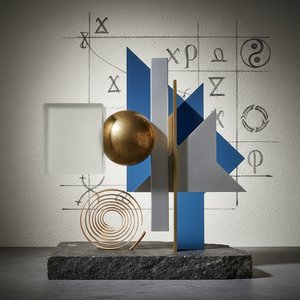
几何抽象:形式之外的哲学基石
探索几何抽象艺术的深层哲学与历史渊源。深入了解马列维奇、康定斯基等大师的作品,以及其对现代艺术的影响。OriginalUniqueArt.com提供高品质油画复制和专业艺术咨询服务,助您收藏经典。

几何抽象艺术十大杰作:定义现代家居装饰的经典之作
探索几何抽象艺术的十大杰作!康定斯基、蒙德里安等大师作品,色彩构成与非具象之美。OriginalUniqueArt.com提供博物馆级艺术复制品,为您的家居带来现代艺术灵感。立即在线探索完整系列!
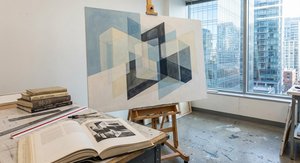
Beyond Form & Color: Geometric Abstraction's Enduring Legacy in Art History
Explore the captivating world of geometric abstraction! Discover its origins, key artists like Malevich & Mondrian, and why this movement remains highly valued by art collectors today. Expert insights at OriginalUniqueArt.

Beyond Form & Color: Geometric Abstraction's Evolution in 20th/21st Century Art
Explore the evolution of geometric abstraction from Cubism to contemporary art. Discover key artists like Malevich & Mondrian, investment insights, and expert collecting advice at OriginalUniqueArt.