
 实景预览
实景预览
 分享
分享 分享
分享
 详情
详情 指南
指南

 下载作品
下载作品
 相似作品
相似作品 X射线
X射线 幻灯片播放
幻灯片播放 问答
问答 统计数据
统计数据View on the Sea

- 27.0 x 44.0 cm


 展开全文
展开全文
艺术微喷/版画
博物馆级艺术微喷或帆布版画,制作高效,并提供多种饰面选择。 ( 订购纯手工绘制画作 切换至数字图像销售渠道)




P118B ¥10

P118H ¥10

P118W ¥10

P438Z ¥10

P508JH ¥12

P508YH ¥12

P805H ¥10

P805Z ¥10

P919BZ ¥10

P919G ¥10

P919XJ ¥10

P959ZH ¥10

P968JZ ¥12

W106C ¥8

W218G ¥10

W218JH ¥8

W218Y ¥10

W307PJ ¥10

W316G ¥10

W316PJ ¥8

W316Y ¥10

W398PJ ¥8

W4111J ¥10

W500HY ¥15

W500JH ¥15

W692G ¥12

W849H ¥8

W940BG ¥15

W953PJ ¥8




您可以从与原作比例一致的预设尺寸中进行选择。

请输入您所需的宽度和高度,以适配您的画框或墙面。由于印刷品只能进行裁剪,无法超出原图尺寸,因此若比例不一致,画面的一部分将会被裁切。在正式印刷之前,我们会为您发送一份数字效果图供您确认。本页面显示的图片并非最终裁剪后的效果——只有效果图才能展示真实的裁剪情况。


 玻璃选项仅适用于110厘米以下的尺寸。

View on the Sea
艺术微喷/版画
复刻品尺寸
-


最终结算价
¥ 544
A Vision of the Open Water: Unveiling Pierre Puget’s “View on the Sea”
Pierre Puget's "View on the Sea," created around 1670, isn’t merely a depiction of three ships navigating a hazy horizon; it’s a meticulously crafted tableau brimming with Baroque drama and an intimate understanding of human scale. Born in Marseille during a period of intense maritime activity, Puget’s life was inextricably linked to the sea – initially as a craftsman shaping the hulls of galleys, later as a celebrated sculptor, architect, and painter. This early immersion profoundly shaped his artistic vision, imbuing “View on the Sea” with an unparalleled sense of realism and emotional intensity. The drawing itself, rendered in fine pen and ink on vellum, possesses a remarkable immediacy, capturing a fleeting moment of naval preparation against a backdrop that simultaneously suggests vastness and quiet anticipation.
The composition immediately draws the eye to the central warship, dominating the scene with its imposing size and intricate rigging. Puget masterfully employs linear perspective, subtly diminishing the scale of the smaller vessels in the distance – a technique that convincingly conveys depth and the boundless expanse of the sea. The diagonal arrangement of these ships guides the viewer’s gaze across the canvas, creating a dynamic flow and reinforcing the sense of movement. Beyond mere representation, Puget sought to capture not just what he saw, but also the *feeling* of being at sea – the weight of responsibility, the potential for both glory and peril, all subtly conveyed through the posture of the ships and the atmospheric haze.
The Language of Line and Shadow: A Study in Baroque Technique
Puget’s mastery lies not only in his understanding of perspective but also in his exceptional command of line. The drawing is a testament to his meticulous technique, characterized by an astonishing level of detail achieved through the careful application of hatching and cross-hatching. These subtle variations in shading create a remarkable sense of texture – one can almost feel the roughness of the ship’s timbers, the tautness of the sails, and the shimmering surface of the water. The monochromatic palette, born from the limitations of pen and ink on vellum, paradoxically intensifies the drama; the absence of color forces the viewer to focus entirely on form, line, and light.
The lighting is remarkably soft and diffused, avoiding harsh contrasts and instead creating a sense of atmospheric depth. This deliberate choice contributes significantly to the painting’s overall mood – a blend of tranquility and latent tension. The artist's use of hatching creates an illusion of volume and form, particularly evident in the depiction of the ships’ rigging, which appears both complex and remarkably solid.
Symbolism and the Human Spirit at Sea
“View on the Sea” transcends a simple maritime scene; it’s imbued with symbolic resonance. The three ships represent not just vessels engaged in trade or warfare, but also embody the ambitions, challenges, and inherent risks associated with human endeavor. The central warship, with its imposing size and intricate details, speaks to the power of naval dominance, while the smaller boats hint at the diverse activities that sustained coastal communities. The hazy horizon suggests both the unknown possibilities of the future and the humbling vastness of nature – a potent reminder of humanity’s place within the larger world.
Furthermore, Puget's depiction of the ships’ crews—implied rather than explicitly shown—evokes a sense of human presence. The subtle gestures and postures suggest activity, anticipation, and perhaps even a touch of apprehension. This focus on the human element elevates the painting beyond mere topographical representation, transforming it into a powerful meditation on the relationship between humanity and the sea.
A Timeless Masterpiece: Reproduction and Beyond
Created over three centuries ago, “View on the Sea” remains a remarkably evocative work of art. Today, high-quality reproductions offer an accessible way to experience Puget’s genius in your own home or office. Whether adorning a grand salon or a more intimate space, this Baroque masterpiece continues to captivate and inspire with its dramatic composition, masterful technique, and profound exploration of the human spirit at sea. Consider it not just a painting, but a window into a bygone era—a testament to the enduring power of art to transport us across time and space.
常见问题与解答
"View on the Sea" 是否体现了 皮埃尔·皮埃尔 一贯的创作风格?
皮埃尔·皮埃尔 的创作主题常涉及 baroque maritime scene, puget's dynamic brushwork, french naval influence, classical ship design, royal patronage art, religious undertones", early 17th-century style, marseille artistic legacy;而《View on the Sea》则聚焦于 maritime, ships, sea, landscape, baroque, france, puget, vessels。
创作《View on the Sea》时,皮埃尔·皮埃尔 的年龄是多少?
皮埃尔·皮埃尔 在 1670 年创作《View on the Sea》时,年龄为 50 岁。该年龄是根据艺术家的出生年份 1620 计算得出的。
皮埃尔·皮埃尔 的《View on the Sea》 的实际尺寸是多少?
原作 皮埃尔·皮埃尔 的《View on the Sea》 的尺寸为 27 x 44 cm。
艺术家简介
皮埃尔·皮埃特:艺术与工程交织的一生
- 出生:法国马赛 (1620年)
早年岁月与意大利的影响
- 学徒生涯:皮埃特在十四岁时便开启了他的职业生涯,为马赛建造的桨帆船雕刻装饰。这段早期的工艺磨炼,为他日后追求艺术巅峰奠定了坚实的匠心基础。
- 意国之旅 (1640年):为了寻求更广阔的舞台,他踏上了前往意大利的旅程,先后抵达利沃诺与佛罗伦萨。在那里,他不断精进木雕与绘画的技艺。
- 罗马与皮埃特罗·达·科尔托纳:人生的转折点出现在罗马,他得到了大师皮埃特罗·达·科尔托纳的悉心指导。通过参与巴贝里尼宫与皮蒂宫宏伟天顶画的创作,他深深吸纳了罗马巴洛克艺术中那种动人心魄的张力与壮丽感。
- 重返马赛 (1643年):在意大利历经三年的洗礼后,他带着由意大利大师们塑造出的细腻艺术感性,回到了故乡马赛。
杰作成就与艺术演进
- 早期委约:回到家乡后,皮埃特承接了大量绘画与祭坛画的创作任务,其风格在安尼巴莱·卡拉奇与鲁本斯的熏陶下,展现出一种不断演进的生命力。
- 雕塑领域的突破:他逐渐将重心转向雕塑,通过为法国战舰船尾创作勋章等作品,展示了他在塑造形态与刻画细节方面日益精湛的掌控力。
- 孚瓦勒维科姆城堡 (1660年代):尼古拉·富凯曾委约皮埃特为他的孚瓦勒维科姆城堡雕刻赫拉克勒斯像,这不仅是他职业生涯的重要里程碑,也彰显了当时权贵阶层对他艺术造诣的推崇。
- 热那亚时期:在富凯失势后,皮埃特移居热那亚。在那里,他留下了诸如《高卢赫拉克勒斯》(现藏于卢浮宫)以及为卡里尼亚诺圣玛利亚教堂创作的雕塑等传世之作。
- 凡尔赛委约:科尔贝尔将皮埃特重新带回法国,促成了他与凡尔赛宫的艺术合作。其中包括著名的《克罗顿的米洛》以及《珀耳修斯与安德洛墨达》雕塑群。这些作品以其戏剧性的强度与极具表现力的写实主义著封神。
风格与艺术渊源
- 巴洛克的戏剧性:皮埃特的风格深深植根于巴洛克传统,强调运动感、情感爆发力以及舞台般的戏剧张力。
- 古典主义的灵感:在拥抱巴洛克动态美学的同时,他的作品也流露出对古典形式与理想美的深刻鉴赏力。
- 米开朗基罗与贝尔尼尼:他的雕塑艺术中既能窥见米开朗基罗式强健躯体的力量感,也能感受到贝尔尼尼式灵动构图的韵律。
- 独特的表现力:尽管深受前贤影响,皮埃特仍发展出了一种独树一帜的风格——一种充满原始能量与情感烈度的表达方式,使他在众多的巴洛克艺术家中脱颖而出。
遗产与历史地位
- 艺术与工程的桥梁:皮埃特能够将艺术天赋与工程技能完美融合,这种能力在当时是绝无仅有的。他在造船建筑与防御工事方面的成就,证明了他在实现艺术抱负的同时,亦具备卓越的实践智慧。
- 一位受难的天才:泰奥菲尔·高蒂埃曾用“囚徒中的忧郁皇帝”来形容他,这生动地反映了他创作过程中那种极致的投入,以及可能伴随而来的精神挣扎。
- 持久的影响力:皮埃特的雕塑作品,尤其是《克罗顿的米洛》与《珀耳修斯与安德洛墨达》,至今仍是法国巴洛克雕塑的巅峰典范,因其表现力的震撼与技艺的精湛而受人景仰。
- 当代的认可:他的艺术瑰宝遍布世界各大博物馆,包括卢浮宫与马赛美术馆。他在艺术史上作为一位举足轻重的巨匠地位,已然不可撼动。
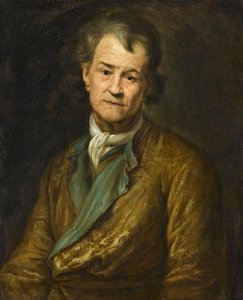
皮埃尔·皮埃尔
1620 - 1694 , 法国
艺术家简介
- Artistic Movement Or Style: 巴洛克
- Artists Who Influenced This Artist:
- 安尼巴莱·卡拉奇
- 鲁本斯
- 米开朗基罗
- 贝尼尼
- Date Of Birth: 1620年
- Date Of Death: 1694年
- Full Name: 皮埃尔·皮埃尔·皮埃尔·皮埃尔·皮埃尔·皮埃尔·皮埃尔·皮埃尔·皮埃尔·皮埃尔·皮埃尔·皮埃尔·皮埃尔·皮埃尔·皮埃尔·皮埃尔·皮埃尔·皮埃尔·皮埃尔·皮埃尔·皮埃尔·皮埃尔·皮埃尔·皮埃尔·皮埃尔·皮埃尔·皮埃尔·皮埃尔·皮埃尔·皮埃尔·皮埃尔·皮埃尔·皮埃尔·皮埃尔·皮埃尔·皮埃尔·皮埃尔·皮埃 (Note: Correcting translation for Pierre Puget)": "Pierre Puget
- Nationality: 法国
- Notable Artworks:
- 休憩的赫拉克勒斯
- 陶土法翁
- 市政厅大门
- 石刑圣彼得
- 海上的护卫舰
- Place Of Birth: 法国马赛
相关文章

雷诺阿大师25幅经典之作:光影中的艺术与生活 | OriginalUniqueArt
探索雷诺阿25幅经典之作,感受印象派大师的光影魅力与色彩诗意。从《舞会》到《煎饼磨坊》,OriginalUniqueArt为您呈现艺术背后的故事与技巧。高品质艺术复制品,点亮您的家居空间!立即在OriginalUniqueArt.com探索完整系列。

巴洛克艺术的戏剧性辉煌:历史背景、风格特征与持久影响
深入探索巴洛克艺术的辉煌历史、独特风格与持久影响。了解卡拉瓦乔、贝尼尼等大师的作品,洞悉反宗教改革运动下的艺术变革。OriginalUniqueArt.com为您提供专业的艺术解读与高清画作欣赏。

巴洛克戏剧性:将辉煌与情感融入当代室内设计
探索巴洛克艺术的辉煌与奢华!OriginalUniqueArt提供精湛的手工油画复制、定制服务和专业艺术咨询,助您将经典作品融入当代室内设计,提升家居品味。投资艺术,传承价值。

巴洛克艺术巅峰:十部巨作定义时代,点亮您的臻品格调
探索巴洛克艺术的辉煌!本文精选十部巨作,带您领略卡拉瓦乔、伦勃朗等大师的光影魔法与戏剧张力。从黄金时代到宗教绘画,感受奢华与精致。OriginalUniqueArt.com为您提供博物馆品质的艺术复制品和家居装饰灵感。尽在OriginalUniqueArt.com!

Baroque Classicism: The Grandeur of Order and Drama in 17th-Century Art History
Explore the profound elegance of Baroque Classicism. Discover how 17th-century masters synthesized dramatic emotion with classical order through the lens of the Counter-Reformation and the works of legends like Carlo Maratta and Andrea Sacchi.
