- 首页

- 油画复制品
- Phyllida Barlow
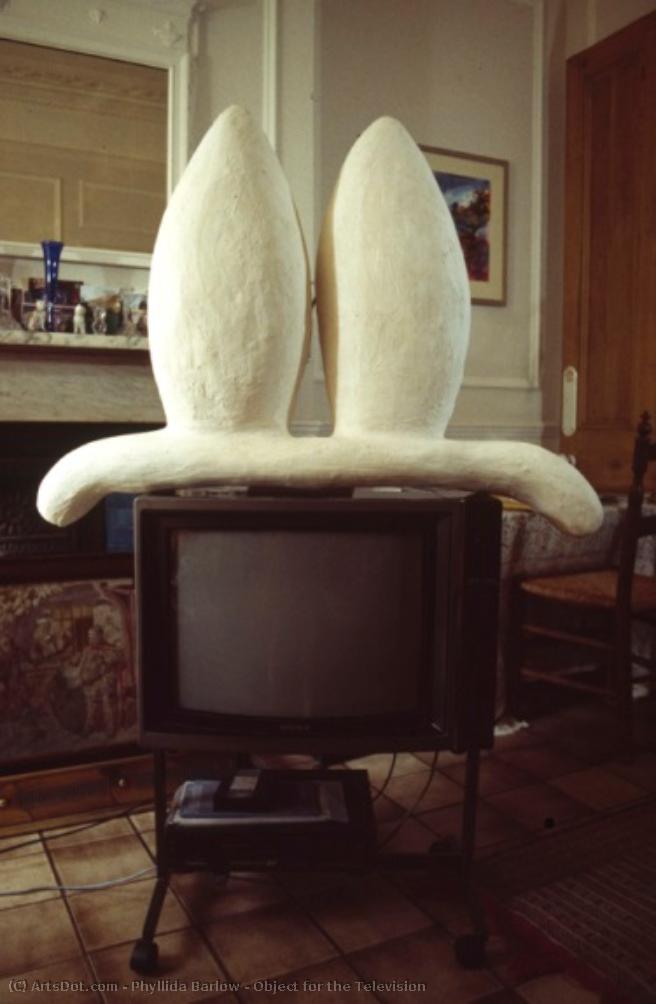
- Object for the Television
 Preview
 购买版画
购买版画 分享
分享 分享
分享
 详情
详情

 下载
下载
 相似作品
相似作品 X射线
X射线 幻灯片播放
幻灯片播放Object for the Television


 展开详情
展开详情




































从与原作比例一致的预设尺寸中进行选择。

您可以输入自定义尺寸,以适配特定的画框或空间。如果所选尺寸与原图比例不符,我们将通过裁剪作品或添加手绘元素来扩展画面。数字样稿将在制作开始前发送给您确认。
请注意,屏幕预览无法准确反映实际的裁剪或扩展效果,只有样稿才能真实呈现最终的构图。
虽然我们提供定制尺寸服务,但为了保留原作比例,建议您从预设列表中选择尺寸。
下单后,OriginalUniqueArt.com 团队将通过电子邮件联系客户获取具体要求,并提供效果预览图。


 玻璃选项仅适用于110厘米以下的尺寸。

Object for the Television
复制材质
复制品尺寸
-


最终总价
-
艺术家简介
Phyllida Barlow: A Colossal Presence in Sculpture
Phyllida Barlow (1944-2023), a British visual artist, carved an extraordinary path through the world of sculpture and installation art, leaving behind a legacy of monumental, playful, and profoundly engaging works. Born in Newcastle upon Tyne and raised amidst the post-war landscape of London, her artistic journey was shaped by both personal experiences – including childhood memories of bomb damage – and a deep engagement with the evolving practices of contemporary art. Barlow’s career spanned over six decades, marked by a consistent exploration of materiality, scale, and the relationship between the artwork and its environment. She wasn't simply creating objects; she was constructing immersive experiences that challenged viewers to reconsider their perceptions of space, form, and meaning.Early Life and Artistic Training
Phyllida Barlow’s artistic development began at Chelsea College of Art in 1960, where she studied under George Fullard, a pivotal figure who instilled in her a belief that the act of making itself was an adventure. This early influence encouraged a playful approach to sculpture, rejecting traditional notions and embracing experimentation with unconventional materials. She continued her studies at the Slade School of Fine Art from 1963 to 1966, further honing her skills and developing her distinctive style. Her marriage to Fabian Benedict Peake, the son of renowned author Mervyn Peake, provided a supportive creative partnership, and their family life nurtured a vibrant artistic environment. Barlow’s time at the Slade was not just about technical proficiency; it was a period of intellectual growth, shaping her understanding of art's potential to disrupt and provoke. She later became a respected teacher at the Slade for over forty years, mentoring generations of artists including Rachel Whiteread and Ángela de la Cruz, leaving an indelible mark on the British art scene.A Distinctive Material Language
What truly set Barlow’s work apart was her masterful manipulation of materials. Rather than relying on precious metals or polished stone, she embraced a vocabulary of inexpensive, readily available elements – cardboard, plywood, plaster, cement, fabric, and paint. These humble materials were transformed through layers of accumulation, removal, and juxtaposition, creating forms that seemed to defy gravity and logic. Her sculptures often appeared simultaneously heavy and light, imposing yet strangely delicate. This deliberate choice of materials wasn’t simply a stylistic decision; it was a conscious rejection of monumentality and an embrace of the inherent qualities of each substance. Barlow herself described her process as “more functional than artistic,” highlighting her focus on the physical act of creation and the exploration of material potential.Major Achievements and Recognition
Phyllida Barlow’s influence extended far beyond the British art world. In 2017, she represented Great Britain at the Venice Biennale, a prestigious international exhibition that brought her work to a global audience. Her monumental installation for the event, “The Place Where We Met,” was particularly notable for its scale and its ability to transform the viewer’s experience of the gallery space. Throughout her career, Barlow received numerous awards and accolades, including the Aachen Art Prize in 2012 and recognition as a Royal Academician in 2011. Her work has been exhibited extensively in major museums and galleries around the world, solidifying her position as one of the most important sculptors of her generation. Her later years were marked by continued creative output and a commitment to pushing the boundaries of sculptural practice.Legacy and Influence
Phyllida Barlow’s legacy is complex and multifaceted. She challenged conventional notions of sculpture, moving away from traditional representations and embracing abstraction, process, and the inherent qualities of her chosen materials. Her work invites viewers to engage with it on a physical and emotional level, prompting reflection on themes of space, materiality, and the nature of art itself. Her anti-monumental approach—leaving seams visible, revealing the construction process—demanded that viewers consider not just the finished object but also the act of making. Barlow’s influence can be seen in the work of countless artists who followed in her footsteps, demonstrating the enduring power of her vision and her profound contribution to contemporary art. Her passing in 2023 marked the loss of a truly unique artistic voice, but her monumental sculptures will continue to inspire and challenge audiences for generations to come.
Phyllida Barlow
1944 - 2023 , United Kingdom
艺术家简介
- Artistic Movement Or Style: Sculpture, Installation art
- Artists Or Movements Influenced By This Artist: ['New Generation Sculpture']
- Artists Who Influenced This Artist: ['George Fullard']
- Date Of Birth: April 4, 1944
- Date Of Death: March 12, 2023
- Full Name: Dame Gillian Phyllida Barlow
- Nationality: British
- Notable Artworks:
- untitled: female
- Object for the Television
- Place Of Birth: Newcastle upon Tyne, UK

