 实景预览
实景预览
 切换至版画销售渠道
 分享
分享 分享
分享
 详情
详情 指南
指南

 下载作品
下载作品
 相似作品
相似作品 X射线
X射线 幻灯片播放
幻灯片播放 问答
问答 统计数据
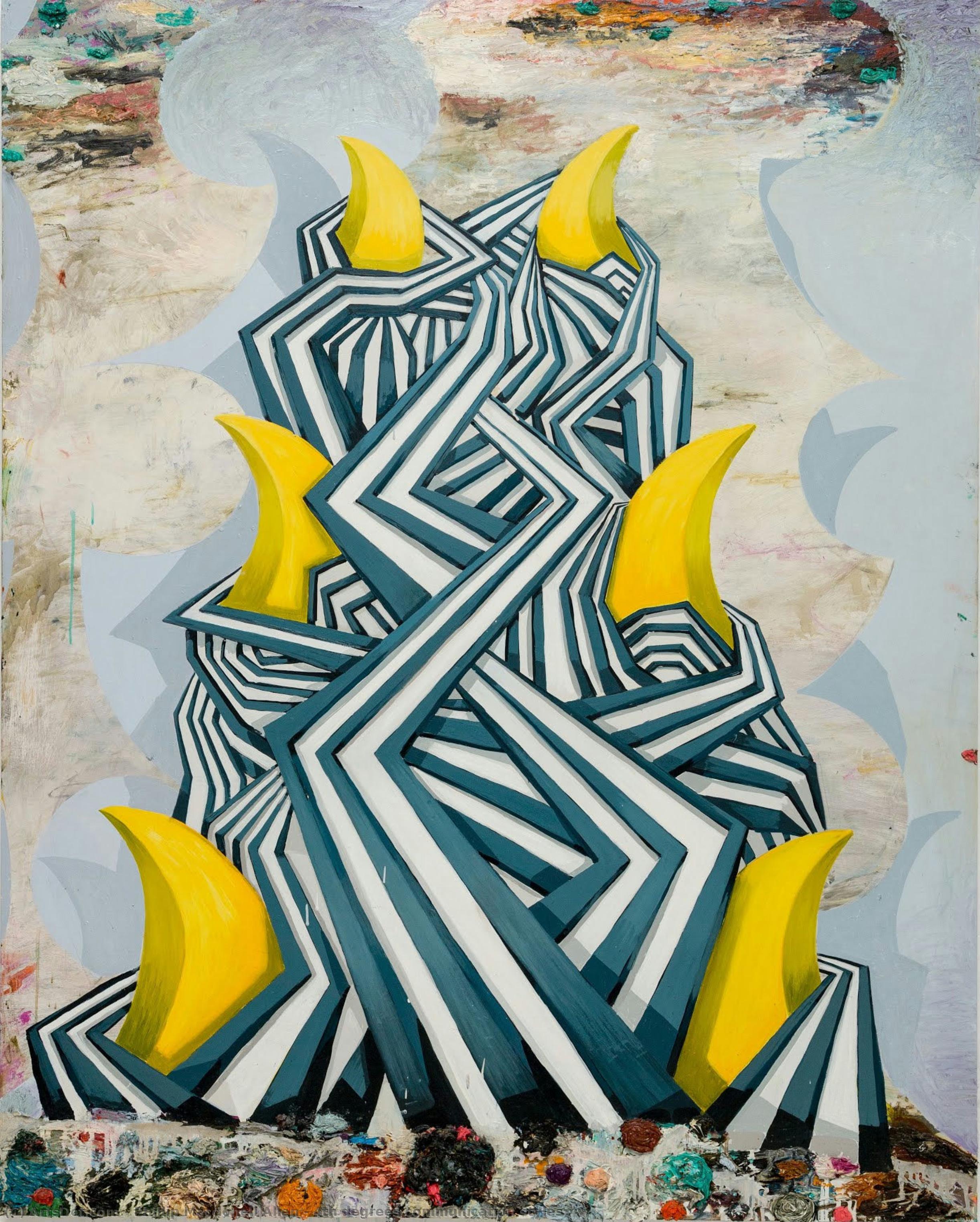
统计数据4th degrees communication styles

- 153.0 x 121.0 cm


 展开全文
展开全文
获取远超网页预览效果的印刷级文件。我们销售的每一张数字图像均源自库存数据库中的高分辨率母版——宽度通常在 5,000 至 15,000 像素之间——因此您可以放心地进行大幅打印、局部裁剪或还原细腻的细节。
每一件作品在离开我们的工作室前都经过了精心的处理。数字影像专家会对照原作核对色彩,并在必要时进行校正,随后利用专业修图工具提升清晰度与细节表现——且始终忠实于艺术家的笔触与风格。最终呈现的图像宛如原作本身,而非仅仅是一张加了滤镜的扫描件。
您可以在最终定稿前进行审核:我们的专家将在 72 小时内通过电子邮件向您发送图像以供审阅。如果不满意?您可以要求改进或修正;若质量未达预期,亦可申请退款。
这也是出版商、设计工作室、画廊及印刷厂所信赖的品质。
每份数字图像订单均包含的内容
专业级数字交付,品质保障
选择 OriginalUniqueArt.com,您获得的不仅仅是一张图像——您收到的是经过专业级增强、精雕细琢的数字艺术作品,并享有满意保证。以下是您的订单中自动包含的所有内容:

邮件即时送达
您的高分辨率数字图像文件将在下单后 72 小时内通过电子邮件发送给您 —— 即可立即使用。

AI 增强型数字文件
您的艺术品经过专业优化,结合先进的 AI 技术与人工修饰,确保呈现极致的细节、清晰度与色彩准确度。

终身免费重发服务
不小心删除了文件或找不到了?没关系——我们将随时为您免费重发。

无需进口税费,始终如一
即刻拥有您的艺术作品,无需支付任何关税、税费或运费——数字下载始终免税。

色彩精准保障
我们通过专业工具与色彩管理技术,确保您的数字图像尽可能真实地还原原作色彩。

100天满意保证
如果您对所购数字图像不满意,我们将在100天内为您进行修改或提供100%的全额退款——无需任何理由。

100% 退款保证
不满意?在收到数字文件后的100天内,您可以申请全额退款——无需任何理由。

批量订购优惠
购买 3 张享 10% 折扣 - 购买 5 张享 15% 折扣 - 购买 10 张以上享 20% 折扣。非常适合创意项目、画廊及机构使用。
A Dreamscape of Color and Form
In the mesmerizing realm of Phillip Macdonell Allen, the boundaries between reality and the subconscious begin to dissolve. His masterpiece, 4th degrees communication styles, serves as a profound gateway into a world where geometry meets hallucination. At first glance, the viewer is greeted by a vibrant, mountainous landscape that pulses with an electric energy. A striking zigzag pattern climbs across the central peak like a celestial staircase, guiding the eye upward through a rhythmic dance of deep blues and radiant yellows. This interplay of color does more than just decorate the canvas; it creates a sense of movement, as if the very earth is breathing and shifting beneath the gaze of the scattered yellow birds that drift through the scene like fragments of sunlight.
The composition possesses a surrealist charm, blending recognizable motifs with an otherworldly logic. A solitary clock rests on the left periphery, while a chair sits quietly near the center, grounding the abstract peaks in a strangely domestic, yet dreamlike, reality. These elements invite the viewer to contemplate the passage of time and the stillness of thought within a vast, kaleidoscopic universe. For the collector or interior designer, this piece offers a captivating focal point that commands attention through its unique visual vocabulary, making it an ideal centerpiece for spaces that value intellectual depth and avant-garde aesthetics.
The Alchemy of Texture and Technique
What truly distinguishes Allen’s work is his masterful command over the physical properties of paint. The technique employed in 4th degrees communication styles transcends traditional flat imagery through a sophisticated use of impasto. Allen often applies thick, sculptural globules of paint to the borders of his works, creating a three-dimensional frame that defies the conventional limits of the canvas. This tactile border acts as a visceral skin, a threshold between the external world of the viewer and the internal, hallucinatory dreamscape contained within the painting. It creates an illusion of perspective where the art seems to simultaneously expand outward into the room and encroach upon the viewer’s personal space.
This heavy, textured approach is balanced by incredibly lucid and delicate brushstrokes within the central imagery. The artist utilizes the graphic properties of oil on board to create a paradox between the raw process of painting and the refined representation of form. This tension between the "waste" of thick, messy paint and the "beauty" of the resulting image is the heartbeat of his style. For those seeking a high-quality reproduction, capturing this specific interplay of light and heavy texture is essential to preserving the emotional weight and the physical presence that Allen’s original works possess.
Historical Echoes and Symbolic Resonance
While the imagery feels contemporary and even psychedelic, it is deeply rooted in historical reverence. The visual language of 4th degrees communication styles draws direct inspiration from the magnificent mosaic ceilings of the Baptistery of San Giovanni in Florence. This connection to Renaissance splendor imbues the abstract forms with a sense of sacred geometry and timelessness. The way the light seems to dance across the blue and yellow pigments mirrors the shimmering effect of ancient gold-ground mosaics, bridging the gap between modern abstraction and classical artistry.
Ultimately, Allen’s work is an exploration of communication—not just between people, but between the seen and the unseen. The painting functions as a visual dialogue between memory, history, and the immediate sensory experience. It is a piece that does not merely sit on a wall; it inhabits a room, offering a window into a meticulously constructed universe of color and light. Whether placed in a sophisticated gallery setting or a curated residential collection, this artwork promises to inspire profound contemplation and provide a lasting sense of wonder.
常见问题与解答
Phillip Macdonell Allen 是否还有其他别名或曾用名?
Phillip Macdonell Allen 也以 Phillip Allen 等其他名称为人所知。
这幅 Phillip Macdonell Allen 的《4th degrees communication styles》 的复制品会为房间增添怎样的氛围?
Phillip Macdonell Allen 的《4th degrees communication styles》 营造出 Mystical 的氛围,与推荐的陈设空间——Living Room 完美契合。
Phillip Macdonell Allen 的《4th degrees communication styles》传达了怎样的情感?
“4th degrees communication styles” 传达出一种 Mysterious 的情感。这种情感基调描述了作品给人的印象。
艺术家简介
Phillip Macdonell Allen: A Painter Suspended Between Beauty and Waste
Phillip Macdonell Allen, born in New York City in 1967, is a contemporary painter whose work occupies a fascinating space between the visceral energy of Abstract Expressionism and a deeply considered engagement with materiality. His canvases are not merely surfaces to be covered with color; they’re layered environments, imbued with a sense of both urgency and quiet contemplation. Allen's trajectory has been shaped by a lineage rooted in artistic legacy – his father, a gifted artist influenced by Hans Hoffman and the first generation of Abstract Expressionists, instilled within him a profound respect for tradition while simultaneously encouraging an exploration of diverse stylistic approaches. This dual inheritance—a grounding in historical painting alongside a willingness to experiment—forms the bedrock of Allen’s distinctive visual language.
Early influences extended beyond his father's artistic sphere, encompassing the grandeur and luminosity of 16th-century Venetian masters like Veronese. Allen was captivated by their ability to create a sense of boundless space and solidity simultaneously, a feat he strives to achieve in his own work. He sought to emulate this mastery, not through direct imitation, but through an absorption of techniques and a desire to capture the same emotional weight—a pursuit that led him to meticulously study materials and methods employed by these Renaissance giants. This fascination with the past isn’t merely academic; it informs a present-day practice deeply invested in the physicality of paint itself.
- Formal Training: Allen's formal education included studies at the Art Students League, where he honed his skills under the guidance of Will Barnett and Theodoros Stamos, and later at The New York Studio School with Mercedes Matter. These formative experiences provided him with a rigorous foundation in drawing, painting, and materials handling.
- Academic Pursuits: He furthered his artistic development by teaching painting and materials usage techniques at Parsons School of Design and serving as a faculty member at The School of the Boston Museum of Fine Arts.
- Recognition & Awards: Allen’s dedication to his craft has been acknowledged through various prestigious awards, including an NEA grant, a New York State Council on the Arts Award (under its CAPS program), a Tiffany Foundation Award, and an Award in the Visual Arts (AVA).
The Language of Materiality
At the heart of Allen’s work lies a profound engagement with the properties of paint. He doesn't simply apply color to a surface; he manipulates it—building up layers, creating textures, and allowing the inherent qualities of the medium to dictate the direction of his process. His canvases are often characterized by thick impasto, irregular drips, and a deliberate resistance to conventional notions of composition. This physicality isn’t arbitrary; it's integral to the meaning he seeks to convey.
Allen’s approach can be described as “material-driven,” prioritizing the tactile experience of painting over pre-conceived ideas about subject matter or form. He frequently employs a technique reminiscent of action painting, but without the overt gestures associated with artists like Pollock. Instead, his movements are more subtle, almost meditative—a careful orchestration of gesture and substance. The resulting surfaces are complex and layered, inviting viewers to engage with them on multiple levels.
Recurring Themes & Symbolic Resonance
Allen’s paintings frequently explore themes of memory, loss, and the ephemeral nature of experience. Titles like “Low Memory” suggest a preoccupation with fragments of recollection—fleeting moments that resist easy categorization or definition. The recurring motif of tears, depicted in muted colors and layered textures, adds another layer of complexity to this thematic landscape. These aren’t simply representations of sadness; they are symbols of vulnerability, loss, and the inherent contradictions within human experience.
Furthermore, Allen's work often incorporates elements of surrealism and dream imagery. The juxtaposition of recognizable forms with unexpected details—such as the cartoon sperm shapes in “Low Memory (Single 2nd Tear Version)” – creates a sense of disorientation and invites viewers to engage in active interpretation. These symbolic resonances are not explicitly stated; they emerge through careful observation and a willingness to embrace ambiguity.
Critical Reception & Legacy
Phillip Macdonell Allen’s work has garnered significant critical attention, with reviews praising his innovative approach to materiality and his ability to evoke complex emotional responses. Critics have noted the influence of both Abstract Expressionism and Venetian painting on his practice, as well as his willingness to challenge conventional notions of representation. His paintings are currently held in collections by prominent figures such as David Ross, Ted Stebbins, Walter Hopps, and others, solidifying his position as a significant contemporary artist.
Allen’s legacy extends beyond the individual artworks he has created. He is also a dedicated educator, sharing his knowledge and expertise with emerging artists through teaching positions at various institutions. His commitment to fostering artistic development ensures that his influence will continue to resonate within the art world for years to come. His work stands as a testament to the enduring power of painting—a medium capable of capturing both the beauty and the complexity of the human experience.

Phillip Macdonell Allen
1967 -
基本信息
- Artistic Movement Or Style: Abstract Expressionism
- Artists Or Movements Influenced By This Artist: ['Thomas Nozkowski']
- Artists Who Influenced This Artist:
- Cézanne
- Van Gogh
- Picasso
- Guston
- Date Of Birth: 1967
- Full Name: Phillip Macdonell Allen
- Nationality: British
- Notable Artworks:
- Katterfelto (Studio Version)
- Untitled
- phillip macdonell allen
- Place Of Birth: London, UK