

 效果预览
效果预览
 购买手绘画作
 分享
分享 分享
分享
 详情
详情

 下载
下载
 相似作品
相似作品 X射线
X射线 幻灯片播放
幻灯片播放Niagara Falls


 展开详情
展开详情




P118B $10

P118H $10

P118W $10

P438Z $10

P508JH $12

P508YH $12

P805H $10

P805Z $10

P919BZ $10

P919G $10

P919XJ $10

P959ZH $10

P968JZ $12

W106C $8

W218G $10

W218JH $8

W218Y $10

W307PJ $10

W316G $10

W316PJ $8

W316Y $10

W398PJ $8

W4111J $10

W500HY $15

W500JH $15

W692G $12

W849H $8

W940BG $15

W953PJ $8




从与原作比例一致的预设尺寸中进行选择。

您可以输入自定义尺寸,以适配特定的画框或空间。如果您选择的尺寸与原图比例不符,我们将对作品进行裁剪,或通过镜像填充/纯色填充边缘的方式来扩展图像。在开始制作之前,我们会向您发送一份数字效果图供您确认。
请注意,屏幕上的预览并不能反映实际的裁剪或扩展效果。只有效果图才能准确展示最终的构图。
虽然我们提供定制尺寸,但为了保持原图比例,我们建议您从预设列表中选择尺寸。


 玻璃选项仅适用于110厘米以下的尺寸。

Niagara Falls
艺术微喷/版画
复制品尺寸
-


最终总价
$ 80
藏品详情
A Cascade of Light and Memory: Phillip Leslie Hale’s “Niagara Falls”
Phillip Leslie Hale's "Niagara Falls," painted in 1902, isn’t merely a depiction of a natural wonder; it’s an immersive experience, a carefully constructed tableau designed to evoke the sublime beauty and profound serenity of one of America’s most iconic landscapes. Hale, a pivotal figure bridging the gap between academic training and the burgeoning Impressionist movement in the United States, masterfully captures not just the physical grandeur of the falls but also the emotional resonance they hold – a sense of awe, tranquility, and connection to something far greater than ourselves.
The painting immediately draws the eye to the central cascade, rendered with an almost luminous quality. Hale employs a delicate layering of oil paint, building up tones and textures that mimic the movement of water and the play of light upon its surface. Notice how he doesn’t simply “paint” the falls; he seems to have captured their essence – the constant shifting of spray, the shimmering reflections, and the sheer force of the torrent. The surrounding foliage, painted with a looser, more expressive brushstroke, contributes to this sense of dynamism, creating an atmosphere that feels both vibrant and deeply peaceful.
The Language of Impressionism: Technique and Composition
Hale’s approach is distinctly Impressionistic, prioritizing capturing the *impression* of light and color over precise detail. He utilizes broken brushstrokes – short, distinct marks of paint applied in a seemingly haphazard manner – to create a sense of movement and vibrancy. This technique is particularly evident in the depiction of the water, where individual strokes coalesce to suggest the continuous flow and shimmering surface. The composition itself is carefully balanced, with the falls anchoring the scene while the surrounding landscape provides depth and context. The strategic placement of figures—a small group enjoying the view—adds a human element without disrupting the painting’s overall sense of grandeur.
Furthermore, Hale's understanding of light is remarkable. He expertly utilizes chiaroscuro – the contrast between light and dark – to sculpt the forms within the scene. The bright highlights on the water and foliage are juxtaposed with darker shadows, creating a dramatic effect that enhances the painting’s three-dimensionality. This masterful manipulation of light not only adds visual interest but also contributes to the overall mood of the piece—a blend of joy and contemplation.
A Historical Echo: Hale's Artistic Journey
Born in Boston in 1865, Phillip Leslie Hale’s artistic journey was shaped by a unique confluence of influences. His father, Edward Everett Hale – a renowned writer and minister – instilled in him a deep appreciation for observation and storytelling, while his sister, Ellen Day Hale, a celebrated artist herself, provided invaluable guidance and mentorship. Hale initially received rigorous training at the Boston School of Fine Arts, mastering traditional academic techniques. However, he quickly embraced the revolutionary ideas of Impressionism, particularly those championed by Claude Monet, whom he greatly admired.
Hale’s work reflects this dual influence – a grounding in classical principles combined with an innovative approach to color and brushwork. He spent considerable time studying at the Art Students League in New York City, immersing himself in the vibrant artistic community of the era. His paintings often depict landscapes, gardens, and portraits, but it is his ability to capture the fleeting beauty of nature that truly sets him apart.
Symbolism and Emotional Resonance
"Niagara Falls" transcends a simple landscape painting; it’s imbued with symbolic meaning. The falls themselves represent both power and tranquility—a potent reminder of nature's raw force alongside its capacity to inspire serenity. The figures in the foreground, gazing upon the spectacle, symbolize humanity’s innate desire for connection and wonder. The scene evokes a sense of timelessness, inviting viewers to pause, reflect, and connect with something larger than themselves.
Reproductions of Hale's "Niagara Falls" offer an accessible way to experience this profound artwork. Whether displayed in a grand living room or a cozy study, it serves as a constant source of inspiration—a reminder of the beauty and majesty that surrounds us, and the enduring power of art to capture and convey those experiences.
艺术家简介
Philip Leslie Hale: Bridging Academia and Monet’s Vision
Phillip Leslie Hale (1865-1931) stands as a pivotal figure in American Impressionism, an artist who skillfully blended rigorous academic training with the revolutionary aesthetic principles championed by Claude Monet. Born in Boston, Massachusetts, on September 22nd, 1865, Hale’s artistic journey began amidst a family steeped in intellectual pursuits – his father, Edward Everett Hale, was a reverend and prominent writer, and his sister, Ellen Day Hale, herself an accomplished artist. This familial environment undoubtedly fostered a passion for creativity and observation that would define his lifelong career.- Early Education & Training: Hale’s formative years were spent at the School of the Museum of Fine Arts in Boston under the tutelage of Edmund Tarbell, establishing a foundation in traditional painting techniques. However, he quickly sought expansion beyond these boundaries, enrolling at New York’s Art Students League where influential mentors like Kenyon Cox and J. Alden Weir honed his artistic sensibilities.
- Parisian Influence: Recognizing the transformative potential of European art movements, Hale embarked on a pivotal expedition to Paris in 1887, immersing himself in the vibrant artistic milieu of Impressionism. Spending five formative years abroad, he particularly absorbed Monet’s groundbreaking approach to capturing fleeting moments of light and color – an influence that would permeate his subsequent works.
A Painter's Palette: Style and Technique
Hale’s distinctive style is characterized by a luminous quality—a hallmark of Impressionism—where light dominates the canvas, shaping colors and creating atmospheric depth. He meticulously employed brushstrokes to convey texture and movement, mirroring the dynamism of nature itself. Unlike many of his contemporaries who adhered strictly to academic conventions, Hale embraced Monet's innovative techniques, prioritizing subjective perception over precise representation. This approach is vividly evident in paintings such as “Garden Party” (1913), a masterful depiction of a leisurely afternoon gathering bathed in dappled sunlight—a testament to Hale’s ability to translate Impressionist ideals into compelling visual narratives.- Monet's Legacy: Hale’s dedication to Monet’s method is palpable, particularly in his use of broken color and layering techniques. These innovations allowed him to capture the ephemeral beauty of landscapes and interiors with unparalleled sensitivity.
- Notable Works: Among Hale’s celebrated compositions are “The Crimson Rambler” (1908), an expansive landscape brimming with rich hues and textural nuances, showcased at the Pennsylvania Academy of Fine Arts in Philadelphia. This painting exemplifies Hale's commitment to portraying natural grandeur while simultaneously conveying a profound emotional resonance.
Academic Roots & Artistic Mentorship
Despite his embrace of Impressionism’s expressive freedom, Hale maintained connections with academic traditions through his teaching positions at the Museum School of Boston and the Metropolitan Museum of Art. He nurtured the talents of aspiring artists like Mary Bradish Titcomb, fostering a legacy of artistic excellence. His influence extended beyond the classroom; he championed innovative approaches to art education, emphasizing observation and experimentation alongside foundational skills.- Publications & Scholarship: Hale’s intellectual curiosity manifested in his scholarly pursuits, culminating in “Jan Vermeer of Delft” (1913)—the inaugural monograph dedicated to Vermeer published in the United States—a pioneering effort that solidified his reputation as a respected Vermeer scholar and contributed significantly to the dissemination of Vermeer's artistic vision.
Legacy & Recognition
Phillip Leslie Hale’s contributions to American Impressionism are recognized through exhibitions at institutions like the Pennsylvania Academy of Fine Arts, the Metropolitan Museum of Art, and Somerville College. His enduring influence continues to inspire artists today, cementing his place as a significant figure in the history of art—a painter who successfully reconciled artistic innovation with intellectual rigor, leaving behind a body of work that embodies both beauty and profound insight.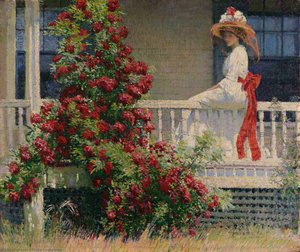
phillip leslie hale
1865 - 1931
艺术家简介
- Artistic Movement Or Style: Impressionism
- Artists Or Movements Influenced By This Artist: ['Boston School painting']
- Artists Who Influenced This Artist:
- Claude Monet
- Edmund Tarbell
- Date Of Birth: 1865
- Date Of Death: 1931
- Full Name: Phillip Leslie Hale
- Nationality: American
- Notable Artworks:
- The Crimson Rambler
- Garden Party
- Place Of Birth: Boston, Massachusetts
相关文章
Beyond the Horizon: 10 Landscape Masterpieces for Your Home Decor
Journey through 10 breathtaking landscape paintings by Monet, Van Gogh & more! Explore iconic artworks, artistic techniques & find inspiration for your home decor. Museum-quality reproductions at OriginalUniqueArt.com. Discover all masterpieces on OriginalUniqueArt.com

Evocations of Place: A Historical Journey Through Landscape Art
Explore the rich history of landscape art with OriginalUniqueArt. Discover renowned artists, movements like Impressionism & Romanticism, and expert guidance for collecting timeless pieces. Find your perfect serene escape today!

浪漫主义画派的十部巨作:定义风景画的艺术传奇
探索浪漫主义风景画的巅峰!本文精选十部经典名作,带您领略莫奈、库尔贝等大师的艺术魅力。感受色彩与光影的诗意,重温自然风光的震撼。OriginalUniqueArt.com为您提供博物馆级别的艺术复制品和个性化家居装饰方案。尽在OriginalUniqueArt.com!

Evocations of Place: A Historical Journey Through Landscape Art
Explore the rich history of landscape art with OriginalUniqueArt. Discover renowned artists, movements like Impressionism & tonalism, and expert guidance for collecting timeless pieces. Find your perfect serene escape today!

康斯塔布尔大师之作:25幅传世风景画赏析 | OriginalUniqueArt
探索康斯塔布尔的25幅传世杰作!沉浸于英国田园风光,感受浪漫主义绘画大师的光影与色彩。高清油画复制、艺术品购买尽在OriginalUniqueArt.com,为您的家居增添经典之美。立即在线探索完整系列!

