

 实景预览
实景预览
 发送
发送 分享
分享
 详情
详情 指南
指南

 下载图片
下载图片
 相似作品
相似作品 X射线
X射线 幻灯片播放
幻灯片播放 统计数据
统计数据Dune Landscape
 Acrylic On Canvas
- WallArt
- Dutch Golden Age
 1645
1645 39.0 x 56.0 cm
 Kunsthistorisches Museum
 阅读全文
阅读全文
艺术微喷/版画
博物馆级艺术微喷或帆布版画,制作高效,并提供多种饰面选择。 ( 订购此收藏品的纯手工复刻画作 切换至数字图像销售渠道)




































您可以从与原作比例一致的预设尺寸中进行选择。

您可以输入自定义尺寸,以适配特定的画框或空间。如果您选择的尺寸与原图比例不符,我们将对作品进行裁剪,或通过镜像填充/纯色填充边缘的方式来扩展图像。在开始制作之前,我们会向您发送一份数字效果图供您确认。
请注意,屏幕上的预览并不能反映实际的裁剪或扩展效果。只有效果图才能准确展示最终的构图。
虽然我们提供定制尺寸,但为了保持原图比例,我们建议您从预设列表中选择尺寸。


 玻璃选项仅适用于110厘米以下的尺寸。

Dune Landscape
艺术微喷/版画
复刻品尺寸说明
-


总计金额
$ 80
A Serene Vista of Dutch Tradition: Exploring Philips Wouwerman’s Dune Landscape
Philips Wouwerman (baptized May 24, 1619 – died May 19, 1668) was a prolific and remarkably adaptable Dutch painter who cemented his place as one of the most celebrated artists of the Dutch Golden Age. Unlike many contemporaries focused on portraiture—though he produced several notable portraits—Wouwerman dedicated himself primarily to capturing the dynamism of the natural world and the visceral thrill of hunting expeditions, establishing him as a pioneer in landscape painting and a master storyteller through visual representation. His Dune Landscape, completed in 1645, exemplifies his distinctive approach and offers a window into the artistic sensibilities of his era.The Painter’s Vision: Style and Technique
Wouwerman's style is characterized by an unparalleled realism combined with expressive brushwork that imbues his canvases with palpable energy. He eschewed idealized depictions favored by some artists, opting instead for meticulous observation and detailed rendering—a hallmark of the *luminist* movement gaining traction during this period. The Dune Landscape showcases this commitment to accuracy; every ripple in the water’s surface, every grain of sand on the dune, is rendered with painstaking detail. His technique involved layering thin glazes of oil paint over a preparatory underpainting, allowing for subtle gradations of color and creating an illusion of depth that transcends mere representation. This masterful manipulation of light—particularly its reflection off the water—is arguably Wouwerman’s greatest achievement, transporting viewers into the very heart of the scene.A Snapshot of Seventeenth-Century Life
The painting depicts a coastal dune landscape populated by figures engaged in leisurely pursuits – men observing the sea and contemplating the beauty of their surroundings. This wasn't merely an aesthetic exercise; it reflected the broader cultural preoccupation with humanist ideals prevalent during the Dutch Golden Age. The inclusion of boats adds another layer of significance, symbolizing trade routes and the economic prosperity that fueled this artistic flourishing. Furthermore, Wouwerman’s depiction captures a moment of quiet contemplation amidst activity, suggesting a harmonious relationship between humanity and nature—a sentiment deeply rooted in Calvinist theology which emphasized God's dominion over creation.Symbolism Within the Frame
Beyond its visual splendor, Dune Landscape carries symbolic weight. The dune itself represents stability and permanence against the backdrop of turbulent seas, mirroring the philosophical debates surrounding predestination and free will that dominated intellectual discourse at the time. The figures on the dune are not simply observers; they embody human intellect and moral contemplation—a deliberate choice by Wouwerman to elevate the subject matter beyond mere visual pleasure. The artist’s careful composition directs the viewer's gaze outwards, encouraging reflection on the grandeur of God’s creation and humanity’s role within it.Legacy and Emotional Resonance
Philips Wouwerman’s Dune Landscape continues to resonate with audiences today because it transcends its historical context. Its luminous palette, masterful brushwork, and evocative depiction of a tranquil seascape evoke feelings of serenity and wonder—qualities that endure across centuries. It stands as a testament to the power of art to capture not only what is seen but also what is felt, cementing Wouwerman’s reputation as one of the most emotionally compelling painters of his generation. Its current residence at the Kunsthistorisches Museum in Vienna ensures its preservation for future generations to appreciate this enduring masterpiece.艺术家简介
菲利普·沃夫曼:荷兰黄金时代的生动画卷
菲利普·沃夫曼(Philips Wouwerman,1619年5月24日洗礼 – 1668年5月19日逝世)是一位才华横溢且多产的荷兰画家,以其对狩猎场景、风景画和战斗场面的生动描绘而闻名。他作为荷兰黄金时代艺术领域的重要人物,留下了令人印象深刻的作品遗产。沃夫曼出生于哈勒姆,他的绘画生涯与那个充满活力和创新的时代紧密相连,作品捕捉了当时社会生活的方方面面,从田园诗般的乡村风光到激烈的战争场面,无不栩栩如生。
早年生活与艺术启蒙
沃夫曼出生于哈勒姆的一个画家世家,他的父亲波韦尔·约斯特·沃夫曼(Pouwels Joostsz Wouwerman)也是一位画家,但名声远不如他的儿子。关于他早期的艺术训练细节鲜为人知。然而,据信他在弗朗斯·哈尔斯(Frans Hals,1581/85–1666)的指导下学习过绘画。尽管哈尔斯的独特风格并未对沃夫曼成熟后的作品产生重大影响,但这段基础训练无疑为他日后的艺术发展奠定了坚实的基础。在职业生涯初期,沃夫曼受到“班博奇安蒂”(bamboccianti)画派的影响,特别是彼得·范·莱尔(Pieter van Laer,1592/99–after 1642)的作品,采纳了他们对日常生活和风俗画的关注。这种早期影响体现在他作品中对普通民众生活场景的描绘,展现出一种朴实而生动的风格。
艺术发展与独特风格
沃夫曼的绘画风格并非一蹴而就,而是经历了漫长的演变过程。最初,他模仿“班博奇安蒂”画派画家,作品以日常生活的场景为主。到了1640年代中期,一种独特的构图元素开始显现——倾斜的地形,通常伴随着一棵树作为“逆光”(repoussoir),这种技巧被用来创造景深和空间感。画面中经常出现的人物形象,常常与马匹相伴而行。大约在1650年至1660年间,沃夫曼逐渐形成了自己独特的风格,并大幅拓展了他的创作题材。他开始创作风俗画、带有旅行者的风景画、骑兵战役图、军事营地以及农民的节日聚会等作品。其中,他对马匹的精湛描绘能力尤为突出,成为其绘画生涯中最显著的特征。艺术史学家弗雷德里克·J·杜帕克(Frederik J. Duparc)曾赞誉沃夫曼是“毫无疑问十七世纪荷兰最杰出的马匹画家”。
卓越成就与历史地位
沃夫曼的作品在其生前就备受追捧,并在18世纪继续受到欢迎。他的画作进入了欧洲各地的著名收藏,包括德累斯顿和圣彼得堡的王室收藏,这充分证明了人们对他的艺术才华的高度赞赏。沃夫曼是一位极其多产的画家;早期的目录列出了约800幅归属于他的作品,后来甚至超过1200幅。最近的一部作品集(Schumacher, 2006)确定了他大约570幅真品,同时也承认了众多追随者和模仿者创作的作品。沃夫曼的兄弟扬(Jan,1629–1666)和彼得(Pieter,1623–1682)也是画家,早期作品经常被误认为是沃夫曼所作。虽然彼得的作品明显受到沃夫曼的影响,但他发展出了一种独特的风格。扬则被认为是一位更为独立的风景画家。沃夫曼的绘画风格对许多后来的艺术家产生了影响,其中包括扬·凡·胡赫滕堡(Jan van Huchtenburgh,1647–1733)、扬·弗朗斯和约瑟夫·凡·布雷代尔(Jan Frans and Joseph van Bredael,1688–1739)以及卡雷尔·凡·法伦斯(Carel van Falens,1683–1733)。沃夫曼是哈勒姆圣卢克行会的成员,并在其中担任过多个官方职务。除了艺术创作之外,沃夫曼还在哈勒姆担任房地产经纪人,这反映了他积极参与社会生活。
对荷兰黄金时代的贡献
菲利普·沃夫曼对荷兰黄金时代的贡献在于他能够以惊人的细节和活力捕捉各种场景——从熙熙攘攘的市场到激烈的狩猎探险再到戏剧性的战场和宁静的风景。他对马匹的精湛描绘技巧,加上他对轶事性叙事的敏锐洞察力,巩固了他作为那个时代最受尊敬和最具影响力的画家之一的地位。2009/2010年在卡塞尔和海牙举办的回顾展进一步突显了他的持久遗产。沃夫曼的作品不仅仅是绘画,它们是荷兰黄金时代的生动见证,展现了当时社会生活的活力、繁荣和复杂性。

菲利普·沃夫曼 (Fēilìpǔ·Wòfūmàn)
1619 - 1668 , 荷兰
快速概览
- Artistic Movement Or Style: 荷兰黄金时代绘画
- Artists Or Movements Influenced By This Artist:
- 扬·凡·胡赫滕堡
- 约瑟夫·凡·布雷代尔
- 卡雷尔·凡·法伦斯
- Artists Who Influenced This Artist:
- 彼得·范·莱尔
- 弗朗斯·哈尔斯
- 扬·韦因纳茨
- Date Of Birth: 1619年5月24日
- Date Of Death: 1668年5月19日
- Full Name: 菲利普·沃夫曼
- Nationality: 荷兰国籍
- Notable Artworks:
- 两匹马
- 吉普赛营地中的两人
- 带信号岗哨的沙丘景观
- 军队营地附近的马市
- 边界石旁的马塘
- Place Of Birth (City And Country): 荷兰哈勒姆
相关文章

Golden Light & Dutch Skies: Bringing the Magic of Dutch Golden Age Landscapes into Your Home
Transform your home with the breathtaking light of Dutch Golden Age landscapes. Discover how hand-painted oil reproductions of masterworks like Ruisdael and Vermeer bring timeless elegance, atmosphere, and soulful texture to modern interiors. Elevate your space with museum-quality art.
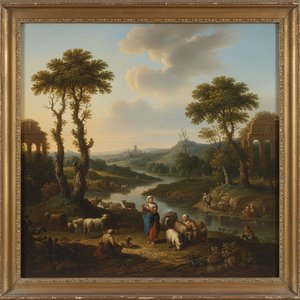
Nicolaes Berchem: Dutch Golden Age Pastoralism & the Evolution of Landscape Painting
Explore the captivating world of Nicolaes Berchem, a leading Dutch Golden Age painter. Discover his idyllic landscapes, masterful technique & lasting influence on art history. Learn more at OriginalUniqueArt.
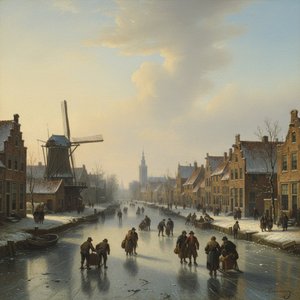
Charles Leickert: Capturing the Dutch Golden Age Light – A Comprehensive Study of Technique, Context, and Legacy
Explore the captivating winter landscapes of Charles Leickert, a master of Dutch Golden Age light & atmosphere. Discover his techniques, symbolism, and lasting legacy – a comprehensive study for art enthusiasts and collectors.

荷兰黄金时代:十幅定义艺术史的巨作 | OriginalUniqueArt
探索荷兰黄金时代的艺术巅峰! 伦勃朗、维米尔等大师名作,带您领略巴洛克艺术的辉煌。高清画作、博物馆级品质,点亮您的家居空间。OriginalUniqueArt.com 提供精选艺术复制品和定制装饰方案。立即在线探索全系列!

Golden Light & Dutch Skies: The Timeless Magic of Dutch Golden Age Landscapes
Discover the breathtaking beauty of Dutch Golden Age landscapes. Explore the mastery of light, chiaroscuro, and 17th-century realism through an expert art history lens, celebrating the enduring legacy of the Dutch Masters for discerning collectors and art lovers.