

 实景预览
实景预览
 发送
发送 分享
分享
 详情
详情 指南
指南

 下载图片
下载图片
 相似作品
相似作品 X射线
X射线 幻灯片播放
幻灯片播放 统计数据
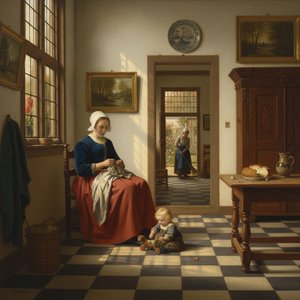
统计数据The Seamstress
 Acrylic On Canvas
- WallArt
- Dutch Golden Age
 1671
1671 26.0 x 20.0 cm
 冬宫博物馆 (Hermitage Museum)
 阅读全文
阅读全文
艺术微喷/版画
博物馆级艺术微喷或帆布版画,制作高效,并提供多种饰面选择。 ( 订购此收藏品的纯手工复刻画作 切换至数字图像销售渠道)




P118B ¥10

P118H ¥10

P118W ¥10

P438Z ¥10

P508JH ¥12

P508YH ¥12

P805H ¥10

P805Z ¥10

P919BZ ¥10

P919G ¥10

P919XJ ¥10

P959ZH ¥10

P968JZ ¥12

W106C ¥8

W218G ¥10

W218JH ¥8

W218Y ¥10

W307PJ ¥10

W316G ¥10

W316PJ ¥8

W316Y ¥10

W398PJ ¥8

W4111J ¥10

W500HY ¥15

W500JH ¥15

W692G ¥12

W849H ¥8

W940BG ¥15

W953PJ ¥8




您可以从与原作比例一致的预设尺寸中进行选择。

您可以输入自定义尺寸,以适配特定的画框或空间。如果您选择的尺寸与原图比例不符,我们将对作品进行裁剪,或通过镜像填充/纯色填充边缘的方式来扩展图像。在开始制作之前,我们会向您发送一份数字效果图供您确认。
请注意,屏幕上的预览并不能反映实际的裁剪或扩展效果。只有效果图才能准确展示最终的构图。
虽然我们提供定制尺寸,但为了保持原图比例,我们建议您从预设列表中选择尺寸。


 玻璃选项仅适用于110厘米以下的尺寸。

The Seamstress
艺术微喷/版画
复刻品尺寸说明
-


总计金额
¥ 538
A Glimpse into Domesticity: Philips de Koninck’s “The Seamstress”
Philips de Koninck's "The Seamstress," painted in 1671, is more than just a portrait; it’s a carefully constructed tableau of Dutch life during the Golden Age. This intimate scene, measuring a modest 26 x 20 cm, offers a rare and compelling window into the daily existence of a woman engaged in her craft – a profession often overlooked in the grand narratives of European art history. De Koninck, a relatively enigmatic figure despite his prolific output, masterfully captures not just a likeness but also a palpable sense of quiet industry and understated dignity.
The painting immediately draws the eye to its subject: a woman seated before a table laden with tools – needles, thread spools, and a partially completed garment. Her posture is relaxed yet purposeful, her hands deftly manipulating fabric. The lighting, characteristic of de Koninck’s style, is dramatic and directional, casting deep shadows that emphasize the textures of the cloth and the folds of her garments. This chiaroscuro technique – a hallmark of Rembrandt's influence – imbues the scene with a sense of depth and realism, transforming a simple domestic activity into a moment of profound visual interest.
A Study in Light and Texture
De Koninck’s technical skill is evident in his meticulous rendering of detail. The fabric itself appears almost tactile, its folds and wrinkles rendered with astonishing precision. He employs a layering technique, building up the image through numerous thin glazes of paint, creating a luminous surface that seems to shimmer with reflected light. The artist's use of color is restrained yet effective; muted browns, grays, and creams dominate the palette, reflecting the practicality and simplicity of the subject’s world. However, subtle variations in tone – particularly in the highlights on the woman’s hands and clothing – add visual interest and draw the viewer’s attention to key elements within the composition.
Beyond the technical mastery, “The Seamstress” reveals a keen understanding of spatial relationships. The room itself is subtly suggested through architectural details – a chair positioned near the right side, another further back – creating a sense of depth and grounding the subject within her environment. The two books on the table, alongside the bowl, contribute to a feeling of domestic comfort and routine, hinting at a life centered around work and contemplation.
Historical Context and Symbolic Resonance
Painted during the Dutch Golden Age, “The Seamstress” reflects the burgeoning mercantile prosperity and social mobility of the era. While portraiture was traditionally reserved for the wealthy elite, artists like de Koninck increasingly catered to a broader clientele, depicting scenes of everyday life – including those of skilled tradeswomen. The seamstress herself represents a significant segment of Dutch society; women were often responsible for producing clothing for their families and selling it in local markets. Her presence in this painting is therefore not merely decorative but also serves as a subtle commentary on the economic realities of the time.
The inclusion of the books suggests an appreciation for learning and perhaps even a desire to improve her craft. The bowl, a symbol of abundance and nourishment, hints at the simple pleasures of domestic life. Together, these elements contribute to a nuanced portrayal of a woman’s role within her community – one that was both practical and dignified.
A Timeless Portrait of Quiet Strength
“The Seamstress” endures as a captivating example of Dutch Golden Age portraiture. It's not a grand, heroic depiction but rather a quietly intimate study of a woman engaged in her work. De Koninck’s masterful use of light and shadow, combined with his meticulous attention to detail, creates an image that is both visually stunning and emotionally resonant. It invites us to pause and consider the lives of ordinary people – those who often remain unseen but whose contributions shaped the fabric of society. Reproductions of this remarkable painting offer a beautiful addition to any collection, bringing a touch of Dutch history and artistic elegance into your home.
问答详情
建议将 菲利普斯·德·科宁克 的《The Seamstress》 悬挂在哪个空间?
菲利普斯·德·科宁克 的《The Seamstress》 的推荐陈列空间为 Living Room。当然,该建议也可根据您的室内装饰进行灵活调整。
创作《The Seamstress》时,菲利普斯·德·科宁克 的年龄是多少?
菲利普斯·德·科宁克 在 1671 年创作《The Seamstress》时,年龄为 52 岁。该年龄是根据艺术家的出生年份 1619 计算得出的。
在哪里可以找到关于菲利普斯·德·科宁克 的《The Seamstress》的数据统计?
菲利普斯·德·科宁克 的《The Seamstress》 的 统计数据 页面展示了公开访问统计数据:该作品的每月访问量、与艺术家最受关注作品的对比,以及访客的来源地。
菲利普斯·德·科宁克 的《The Seamstress》 的色彩是鲜艳夺目还是柔和低调?
菲利普斯·德·科宁克 的《The Seamstress》 的色彩呈现出 Muted 的饱和度。饱和度描述了色彩的鲜艳或柔和程度。
"The Seamstress" 是在哪一年创作的?
菲利普斯·德·科宁克 的《The Seamstress》 的创作年份为 1671。
菲利普斯·德·科宁克 的《The Seamstress》 的实际尺寸是多少?
菲利普斯·德·科宁克 的《The Seamstress》 的记录尺寸为 26 x 20 cm。您也可以按比例定制其他尺寸的复制品。
"The Seamstress" 的艺术家是谁?
"The Seamstress" 的创作者是 菲利普斯·德·科宁克。该作品以 菲利普斯·德·科宁克 的名义编入目录。
艺术家简介
菲利普斯·德·科宁克:荷兰风景的全景视野
菲利普斯·德·科宁克(Philips de Koninck,1619–1688)是荷兰黄金时代的一位杰出人物,他最为人称道的是那些宏伟而细腻的风景画作,这些作品精准地捕捉了荷兰乡村的壮丽与幽微。尽管与伦勃朗或鲁本斯等同时代的巨匠相比,他的创作产量相对有限——据估计仅有约50幅油画——这使他成为一位带有神秘色彩的艺术家,其艺术遗产也常因作品归属和艺术传承问题而引发学术界的争论。出生于阿姆斯特丹,德·科宁克的一生在商界取得了显著成功,居住在雷居利斯运河(Reguliersgracht)畔,过着富足的生活。然而,他的艺术追求似乎更多是出于对技艺的热爱而非受雇于宏大的赞助项目,展现出一种独立创作的精神。- 早年生活与艺术训练: 关于德·科是否存在确凿的早年成长记录仍较为匮乏。他曾师从弗拉芒风景画家雅各布·萨弗里(Jacob Savery),后者是巴洛克风格的倡导者。通过这段学徒生涯,德·科吸收了鲁本斯与卡拉瓦乔的影响——这些大师戏剧性的构图与精湛的光影运用,无疑塑造了他的艺术审美感官。
- 阿姆斯特丹画室与艺术风格: 德·科在阿姆斯特丹建立了属于自己的画室,吸引了众多学生并营造出一种协作的艺术氛围。他的风景画以极其细腻的笔触著称,能够惊人地还原树皮、叶片和水面的质感。至关重要的是,他运用了由伦勃朗开创的大气透视法来传达深度与真实感,模拟阳光穿透林间缝隙的效果,从而创造出一种深邃的远景错觉。
全景视野与伦勃朗的影响
德·科宁克的风景画因其宏大的尺度和令人屏息的壮丽景象而具有极高的辨识度。不同于当时许多偏好小巧、私密场景的艺术家,他选择了全景式的构图,旨在将观者沉浸在荷兰景观的宏伟之中——这种刻意的选择反映了巴洛克艺术对奇观的痴迷,并传达出一种崇高之美。他的画作经常描绘沐浴在金色光芒下的林地,捕捉大气变化中转瞬即逝的戏剧性时刻。伦勃朗的影响力在其作品中是不言而喻的;他精妙地运用明暗对照法(chiaroscuro)——即光与影的交织——为画布注入了超越视觉呈现的情感共鸣。以《广阔的林地风景》(AQR46N)为例,斑驳的阳光照亮了森林地表的复杂细节,完美映衬了伦勃朗标志性的艺术风格。- 代表作品: 在他最著名的画作中,包括《女缝纫师》(AQR47J)和《牧羊女》,这两幅作品都描绘了在戏剧性背景下的乡村人物。这些作品充分展示了德·科宁克在展现视觉华丽感的同时,传达心理深度的能力。
- 归属争议: 德·科宁克的作品集在作品归属方面曾引发过相当大的争议。许多原本被归于伦勃朗名下的画作,最终被确凿证明是由他的侄子萨洛蒙·德·科宁克(Salomon de Koninck)所作——这位弟子能够熟练地模仿伦勃朗的风格。这种混淆凸显了艺术史学家在确定作者身份时面临的挑战,也使我们对黄金时代艺术创新的理解变得更加复杂。
遗产与历史意义
尽管围绕其作品存在归属争议,菲利普斯·德·科宁克依然是荷兰风景画领域的重要贡献者。他的画作收藏于欧洲各大博物馆,包括阿姆斯特丹国家博物馆和维也纳艺术史博物馆,这足以证明其持久的艺术魅力。德·科宁克的风景画是巴洛克美学的有力体现,反映了那个时代对宏伟、情感与崇高的追求。通过展示如何将戏剧性的光影转化为风景画语汇,他巩固了伦勃朗的艺术遗产,并确立了自己在同时代最具影响力艺术家中的地位。
菲利普斯·德·科宁克
1619 - 1688 , 荷兰
快速概览
- Artistic Movement Or Style: 荷兰风景画
- Artists Or Movements Influenced By This Artist: 巴洛克
- Artists Who Influenced This Artist: 伦勃朗
- Date Of Death: 1688年
- Full Name: 菲利普斯·德·科宁克
- Nationality: 荷兰
- Notable Artworks:
- 广阔的林地风景
- 女缝纫机
- Place Of Birth: 荷兰阿姆斯特丹
相关文章

戈雅大师25幅杰作:西班牙灵魂的艺术之旅| OriginalUniqueArt
探索戈雅大师的25幅杰作!深入了解西班牙绘画巨匠Francisco Goya的艺术世界,从洛可可到浪漫主义风格,感受黑加仑时代的情感力量。OriginalUniqueArt.com提供高品质油画复制品和家居装饰灵感。立即在线发现所有名画!
Pieter de Hooch: Illuminating Dutch Domestic Life & Golden Age Charm
Explore the captivating world of Pieter de Hooch, a master of Dutch Golden Age painting. Discover his innovative use of light, intimate domestic scenes, and lasting influence on art history. Learn more at OriginalUniqueArt.

荷兰黄金时代:十幅定义艺术史的巨作 | OriginalUniqueArt
探索荷兰黄金时代的艺术巅峰! 伦勃朗、维米尔等大师名作,带您领略巴洛克艺术的辉煌。高清画作、博物馆级品质,点亮您的家居空间。OriginalUniqueArt.com 提供精选艺术复制品和定制装饰方案。立即在线探索全系列!

Willem van de Velde the Elder: Master of Maritime Painting & Chronicler of the Dutch Golden Age
Discover the captivating maritime paintings of Willem van de Velde the Elder, a master chronicler of the Dutch Golden Age. Explore his unparalleled realism and lasting influence on naval art history.

Golden Light & Dutch Skies: The Timeless Magic of Dutch Golden Age Landscapes
Discover the breathtaking beauty of Dutch Golden Age landscapes. Explore the mastery of light, chiaroscuro, and 17th-century realism through an expert art history lens, celebrating the enduring legacy of the Dutch Masters for discerning collectors and art lovers.