

 效果预览
效果预览
 切换至版画销售渠道
 分享
分享 分享
分享
 详情
详情

 下载
下载
 相似作品
相似作品 X射线
X射线 幻灯片播放
幻灯片播放 统计数据
统计数据Autoportrait
 展开详情
展开详情
购买高分辨率增强版数字图像,其品质远超在线预览。
每一份文件都由我们的内部专家使用先进工具与专业的后期润色技术精心打造。我们确保每一张图像都具备卓越的清晰度、精准的色彩还原度以及细腻的细节表现。
最终文件将在 72 小时内通过电子邮件交付,并针对专业、编辑及印刷用途进行了优化。其品质与顶级设计工作室、出版社和画廊所信赖的标准完全一致。
每份数字图像订单均包含
专业数字图像交付,品质保障
选择 OriginalUniqueArt.com,您获得的不仅仅是一张图像——您收到的是经过专业级增强、精雕细琢的数字艺术作品,并享有满意保证。以下是您的订单中自动包含的所有内容:

邮件快速送达
您的高分辨率数字图像文件将在下单后 72 小时内通过电子邮件发送给您 —— 即可立即使用。

AI 增强型数字文件
您的艺术品经过专业优化,结合先进的 AI 技术与人工修饰,确保呈现极致的细节、清晰度与色彩准确度。

终身免费重发服务
不小心删除了文件或找不到了?没关系——我们将随时为您免费重发。

无需进口费用,始终如一
即刻拥有您的艺术作品,无需支付任何关税、税费或运费——数字下载始终免税。

色彩精准保证
我们通过专业工具与色彩管理技术,确保您的数字图像尽可能真实地还原原作色彩。

100天满意保证
如果您对所购数字图像不满意,我们将在100天内为您进行修改或提供100%的全额退款——无需任何理由。

100% 退款保证
不满意?在收到数字文件后的100天内,您可以申请全额退款——无需任何理由。

批量订单优惠
购买 3 张图片可享 10% 折扣 - 购买 5 张可享 15% 折扣 - 购买 10+ 张可享 20% 折扣。非常适合创意项目、画廊和机构使用。
艺术家简介
A Revolutionary Spirit on Canvas: The Life and Art of Philippe-Auguste Jeanron
Born in 1809 amidst the echoes of revolution, Philippe-Auguste Jeanron was a painter whose life and work were deeply intertwined with the political and social currents of 19th-century France. His origins themselves spoke to a lineage steeped in republican ideals; his grandfather had actively participated in the storming of the Bastille, instilling within the family a fervent belief in liberty and equality. This heritage profoundly shaped Jeanron’s artistic vision, guiding him toward a path that blended aesthetic skill with unwavering political conviction. He received his initial training under Xavier Sigalon, honing his skills in drawing and painting while simultaneously immersing himself in the intellectual ferment of Parisian society. His time at the Bourbon college brought him into contact with republican activists—including those associated with Philippe Buonarroti—further solidifying his commitment to progressive causes. Early artistic endeavors included meticulous study; he spent considerable time copying Veronese’s monumental “The Wedding at Cana” within the hallowed halls of the Louvre, and furthered his education at the Swiss Academy, laying a foundation for his future explorations in both style and subject matter.From Rural Landscapes to Social Commentary
Jeanron's early career saw him fulfilling commissions for Parisian churches—Saint-Vincent-de-Paul and Saint-Louis-en-l'Ile among them—but it was the landscapes inspired by the Barbizon school that truly began to define his artistic voice. These works, imbued with a naturalistic sensibility, captured the beauty of the French countryside, foreshadowing his later focus on depicting the lives of those who inhabited it. However, Jeanron’s art wasn't merely about aesthetic representation; it was increasingly driven by his republican beliefs. He began to shift toward genre painting, portraying everyday life and social issues with a realism that challenged conventional artistic norms. His canvases became windows into the struggles and experiences of common people—the laborers, peasants, and ordinary citizens who formed the backbone of French society. This commitment to representing the lives of the marginalized set him apart from many of his contemporaries, establishing him as a precursor to the more overt social realism that would emerge later in the century. He wasn’t simply painting what he saw; he was making a statement about *who* deserved to be seen and remembered.A Director's Vision: Democratizing the Louvre
The year 1848 marked a turning point, not only for France but also for Jeanron’s career. Following the February Revolution, he was appointed head of National Museums and Director of the Louvre—a position that allowed him to translate his ideals into tangible institutional change. He approached this role with a radical vision: to democratize access to art and culture. He prioritized the preservation and classification of the museum's vast collections, improving storage conditions and implementing innovative methods for their arrangement. Crucially, he championed the inclusion of workers in museum projects, believing that all members of society should have a stake in its cultural heritage. Jeanron actively sought to broaden the Louvre’s appeal by showcasing works by artists like Chardin and the Le Nain brothers—painters whose subjects resonated with the lives of ordinary people. He also provided support for contemporary artists such as Charles Jacque and Jean-François Millet, recognizing their potential to capture the spirit of the age. He clearly delineated the roles of the Louvre and the Musée du Luxembourg, reserving the latter for contemporary art while solidifying the Louvre’s position as a repository of historical masterpieces. His tenure was marked by a commitment to inclusivity and accessibility, transforming the Louvre from an elitist institution into a public space for learning and inspiration.Legacy of a Republican Artist
Beyond his curatorial achievements, Jeanron continued to paint throughout his life, often returning to the landscapes and people of the Limousin region—the estate of Comborn having become his family home through marriage. These later works reflect a deep connection to the land and its inhabitants, capturing their dignity and resilience with sensitivity and skill. His commitment to republican ideals and social justice remained unwavering, influencing both his artistic output and his administrative decisions. Philippe-Auguste Jeanron’s legacy lies in his multifaceted contributions to French art and culture. He was not only a talented painter but also a visionary museum director who fundamentally reshaped the way art was presented and experienced. He commissioned Eugène Delacroix for a significant project within the Apollon gallery, demonstrating his respect for artistic collaboration and innovation. His work helped pave the way for the rise of realism in French art, challenging traditional hierarchies and promoting a more inclusive view of cultural heritage. He remains a compelling figure—a testament to the power of art to reflect, challenge, and ultimately transform society.Notable Works
- L’Ile Calypso: A captivating example of his genre scenes, showcasing his ability to capture everyday life with nuance and detail.
- Paysans Limousins: Illustrates his deep connection to the rural landscapes and people of the Limousin region.
- Autoportrait: Offers a glimpse into the man behind the art, revealing a determined and thoughtful individual.
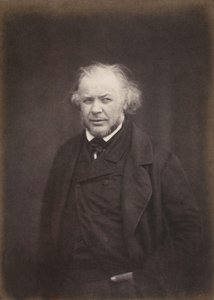
Philippe-Auguste Jeanron
1877 - 1877 , France
基本信息
- Artistic Movement Or Style: Realism, Genre painting
- Artists Or Movements Influenced By This Artist:
- Charles Jacque
- Jean-François Millet
- Artists Who Influenced This Artist:
- Xavier Sigalon
- Veronese
- Date Of Birth: 1809
- Date Of Death: 1877
- Full Name: Philippe-Auguste Jeanron
- Nationality: French
- Notable Artworks:
- L’Ile Calypso
- PAYSANS LIMOUSINS
- Autoportrait
- Place Of Birth: Boulogne-sur-Mer, France