

 实景预览
实景预览
 发送
发送 分享
分享
 详情
详情 指南
指南

 下载图片
下载图片
 相似作品
相似作品 X射线
X射线 幻灯片播放
幻灯片播放 统计数据
统计数据Drawing for Conspirators


 阅读全文
阅读全文
艺术微喷/版画
博物馆级艺术微喷或帆布版画,制作高效,并提供多种饰面选择。 ( 订购此收藏品的纯手工复刻画作 切换至数字图像销售渠道)




P118B ¥10

P118H ¥10

P118W ¥10

P438Z ¥10

P508JH ¥12

P508YH ¥12

P805H ¥10

P805Z ¥10

P919BZ ¥10

P919G ¥10

P919XJ ¥10

P959ZH ¥10

P968JZ ¥12

W106C ¥8

W218G ¥10

W218JH ¥8

W218Y ¥10

W307PJ ¥10

W316G ¥10

W316PJ ¥8

W316Y ¥10

W398PJ ¥8

W4111J ¥10

W500HY ¥15

W500JH ¥15

W692G ¥12

W849H ¥8

W940BG ¥15

W953PJ ¥8




您可以从与原作比例一致的预设尺寸中进行选择。

请输入您所需的宽度和高度,以适配您的画框或墙面。由于印刷品只能进行裁剪,无法超出原图尺寸,因此若比例不一致,画面的一部分将会被裁切。在正式印刷之前,我们会为您发送一份数字效果图供您确认。本页面显示的图片并非最终裁剪后的效果——只有效果图才能展示真实的裁剪情况。


 玻璃选项仅适用于110厘米以下的尺寸。

Drawing for Conspirators
艺术微喷/版画
复刻品尺寸说明
-


总计金额
¥ 537
Drawing for Conspirators – A Descent Into Shadow
Philip Guston’s “Drawing for Conspirators,” completed in 1930, stands as a haunting testament to the anxieties of its time and a cornerstone of his evolving artistic vision. Executed in graphite pencil, pen and ink, colored pencil, and wax crayon on paper—a technique that would become synonymous with his later oeuvre—the artwork plunges viewers into a psychologically charged landscape steeped in symbolism and unsettling imagery. Its presence within the Whitney Museum’s collection underscores its enduring significance as a pivotal piece of Metaphysical art, marking Guston's decisive break from abstract expressionism toward a more visceral exploration of human experience.Composition and Setting: A Fortress of Fear
The scene unfolds within a claustrophobic interior dominated by stark geometric forms—primarily rectangular walls and cylindrical towers—creating an oppressive atmosphere reminiscent of medieval fortifications. These architectural elements serve as a visual anchor for the central figure, positioned kneeling before a tiled floor, manipulating a thick rope that snakes upwards toward a distant gallows. The positioning is deliberate; it suggests vulnerability juxtaposed with impending doom, mirroring the pervasive sense of dread conveyed throughout the composition. Brickwork on the left wall adds textural detail and reinforces the feeling of confinement.Color Palette and Line Work: Monochrome Intensity
Guston’s masterful use of grayscale—primarily blacks, whites, and subtle shades of gray—is paramount to establishing the artwork's mood. Hatching and cross-hatching techniques are employed extensively to build up shadows and delineate forms with remarkable precision, mirroring the stylistic influences of earlier artistic traditions while simultaneously forging a path toward Guston’s signature expressive style. The deliberate lack of color amplifies the emotional impact, forcing viewers to confront the scene's unsettling themes without distraction.Symbolism: Conspiracy and Crucifixion
The artwork is rife with symbolic references that delve into anxieties surrounding political oppression and religious persecution. The hooded figures—a direct nod to imagery associated with the Ku Klux Klan—represent secrecy, intimidation, and historical acts of violence. Their posture conveys submission and vulnerability, while the rope symbolizes punishment and death – motifs frequently explored by Guston throughout his career. The distant gallows serve as a chilling reminder of mortality and underscore the artwork’s overarching preoccupation with themes of fear and existential dread.Style and Legacy: From Abstraction to Raw Emotion
“Drawing for Conspirators” represents Guston's pivotal transition from abstract expressionism toward a more figurative style characterized by bold lines and expressive shading—a stylistic shift that would define his subsequent artistic endeavors. While retaining elements of draftsmanship rooted in classical traditions, the artwork embodies Guston’s commitment to conveying profound emotional resonance through simplified forms and deliberate textural contrasts. Its enduring influence can be seen in contemporary artists who continue to grapple with similar themes of social critique and psychological exploration—solidifying Guston's place as a visionary artist whose work transcends stylistic boundaries to address universal human concerns.问答详情
如何描述 菲利普·古斯顿 的《Drawing for Conspirators》 的意境?
“Drawing for Conspirators”营造出一种Dramatic的氛围。
"Drawing for Conspirators" 的作者和创作年份是?
"Drawing for Conspirators" 是由 菲利普·古斯顿 于 1930 年创作的。
"Drawing for Conspirators" 是否不受版权保护?
菲利普·古斯顿 的《Drawing for Conspirators》 属于 仍受版权保护。此版权状态决定了该作品图像的复制方式。
艺术家简介
菲利普·古斯顿:艺术的一生
- 出生:加拿大蒙特利尔(1913年6月27日)
- 逝世:1980年6月7日
菲利普·古斯顿是一位享誉世界的加拿大裔美国画家与版画家,其艺术生涯跨越了四十余载。他的艺术旅程充满了风格与题材的剧烈变迁,通过将抽象表现主义与具象艺术的元素交织在一起,深刻地探讨了种族主义、反犹太主义、法西斯主义以及美国身份认同等复杂的主题。
早年生活与艺术启蒙
古斯顿的早年生活曾深受悲剧的影响。1923年,他的父亲——一位来自乌克兰的犹太移民——自尽身亡,这一变故深刻地塑造了他的艺术人格。他自幼便开始习画,随后就读于洛杉展开曼艺术高中,并于1927年正式开启了绘画之路。在母亲的悉心支持下,他常常蜷缩在一个挂着单盏灯泡的小衣橱里,在那方寸之间构筑起最初的艺术世界。
- 教育背景:他曾师从弗雷德里克·约翰·德·圣·弗莱恩·施万科夫斯基,正是这位导师将欧洲现代艺术、东方哲学、神智学以及神秘主义文学引入了他的视野。
- 早期交游:在学生时代,他便与杰克逊·波洛克结识,两人甚至曾共同发表文章,反对当时高中的相关政策。
艺术演变:从抽象走向具象表达
古斯顿的艺术生涯大致可以分为两个截然不同的阶段。起初,他的作品带有明显的具象与写实色彩,展现出受文艺复兴大师如皮耶罗·德拉·弗朗切斯卡影响的早期痕迹。随后,他转向了抽象主义,并与杰克逊·波洛克、威廉·德·库宁等艺术家一同,成为了纽约画派中的领军人物。
- 抽象表现主义:到了20世纪50年代,古斯顿凭借其充满动态构图与表现力笔触的抽象表现主义绘画赢得了广泛赞誉。
- 向具象的转向:在60年代中期,他戏剧性地背弃了抽象主义,开创了一种被称为“新表现主义”的改良版具象艺术。这一转变伴随着对他早期作品的批判性重新审视,以及一种渴望通过更直接的社会与政治评论来介入现实的强烈欲望。
晚期创作:讽刺与社会评论
古斯顿的晚期作品或许是他职业生涯中最具争议且最具冲击力的篇章。这些画作往往充满了阴郁而具有讽刺意味的元素,其中包括对理查德·尼克松以及戴着兜帽的库克卢克斯骑士(KKK)的描绘。他以一种挑战传统艺术规范的赤裸诚实,深入探索了种族主义、反犹太主义及美国身份认同等沉重主题。
- 反复出现的符号:他的晚期风格以有限的色调和卡通化的笔触为特征,通过对各种个人情境、象征物和器物的描绘——往往呈现出带有夸张特征和不安表情的人物——来传达情感。
- 影响与主题:深受其亲历的种族主义与反犹太主义经历,以及对东方哲学和神秘主义文学兴趣的影响,古斯顿的作品最终演变成了一场针对美国社会阴暗面强有力的批判性评论。
传承与意义
菲利普·古斯顿留下的艺术遗产至今仍在激励着艺术家与艺术爱好者。他那独一无二的视角与艺术风格,已在世界艺术史上留下了不可磨灭的印记。
- 关键人物:作为抽象表现主义运动中的重要人物,古斯顿的作品挑战了既定的艺术传统,并为新的艺术表达形式铺平了道路。
- 博物馆收藏:他的杰作被全球各大顶尖博物馆珍藏,包括惠特尼美国艺术博物馆和泰特现代美术馆。
- 持久的现实意义:2020年其国际回顾展的推迟,再次凸显了古斯顿作品在探讨社会正义与种族平等问题上所具有的持续生命力。
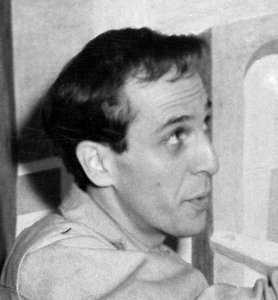
菲利普·古斯顿
1913 - 1980 , 加拿大
快速概览
- Artistic Movement Or Style:
- 抽象表现主义
- 新表现主义
- Artists Or Movements Influenced By This Artist: ['埃迪·马丁内斯']
- Artists Who Influenced This Artist: ['皮耶罗·德拉·弗朗チェ斯卡']
- Date Of Birth: 1913年6月27日
- Date Of Death: 1980年6月7日
- Full Name: 菲利普·古斯顿
- Nationality: 加拿大裔美国人
- Notable Artworks: ['致费里尼']
- Place Of Birth: 加拿大蒙特利尔
相关文章

Mastering the Line: A Comprehensive Expert Guide to Technical Precision and Expressive Depth in Drawing
Elevate your artistic practice with this expert guide to mastering the line. Discover advanced techniques in graphite, charcoal, and contour drawing designed for art students seeking technical precision and expressive depth in their fine art studies.
Philip Guston: Reassessing Abstraction, Figuration & the Weight of Representation
Explore the complex evolution of Philip Guston's art – from abstraction to raw figuration. Discover his powerful social commentary, lasting influence & collecting insights with OriginalUniqueArt.
The Nuances of Graphite: Exploring Emotional Depth & Technical Mastery in Pencil Drawing
Explore the captivating world of graphite drawing! Discover its rich history, master essential techniques like chiaroscuro, and learn how artists evoke emotion through this timeless medium. Expert insights for art enthusiasts.
The Eloquent Line: Exploring the Artistic Significance of Sketches Across Movements and Media
Explore the profound artistic significance of sketches throughout history. From Renaissance masters to modern innovators like Van Gogh & Guston, discover how these foundational works reveal technique, emotion, and vision. Learn more at OriginalUniqueArt.

The Art of the Line: A Masterclass in Drawing Techniques and the Evolution of Graphic Expression
Explore the profound history of drawing techniques, from Dürer's precision to the alchemy of graphite. Discover how masters use line, weight, and contour to capture the human spirit in this expert guide to art history and technical mastery.