

 实景预览
实景预览
 发送
发送 分享
分享
 详情
详情 指南
指南

 下载图片
下载图片
 相似作品
相似作品 X射线
X射线 幻灯片播放
幻灯片播放 统计数据
统计数据The storm
 Acrylic On Canvas
- WallArt
- Biedermeier
 1837
1837 50.0 x 67.0 cm
 奧匈藝廊貝爾維德宮
 阅读全文
阅读全文
手工油画复制品
由我们的艺术家按需定制,为您提供您所选尺寸及画框的布面手工油画。 ( 切换至版画销售渠道 切换至数字图像销售渠道)




P118B ¥10

P118H ¥10

P118W ¥10

P438Z ¥10

P508JH ¥12

P508YH ¥12

P805H ¥10

P805Z ¥10

P919BZ ¥10

P919G ¥10

P919XJ ¥10

P959ZH ¥10

P968JZ ¥12

W106C ¥8

W218G ¥10

W218JH ¥8

W218Y ¥10

W307PJ ¥10

W316G ¥10

W316PJ ¥8

W316Y ¥10

W398PJ ¥8

W4111J ¥10

W500HY ¥15

W500JH ¥15

W692G ¥12

W849H ¥8

W940BG ¥15

W953PJ ¥8




您可以从与原作比例一致的预设尺寸中进行选择。

请输入您需要的宽度和高度,以适配您的画框或墙面。由于作品为手工绘制,若您选择不同的尺寸比例,艺术家可能会在画面边缘多画一些或稍作裁剪 —— 由您决定。在开始绘画之前,我们会为您发送一份数字效果图供您确认。本页面上展示的图片并非最终实物 —— 只有效果图才能反映真实结果。
下单后,OriginalUniqueArt.com 团队将通过电子邮件联系客户获取具体要求,并提供效果预览图


 玻璃选项仅适用于110厘米以下的尺寸。

The storm
复制品材质
复刻品尺寸说明
-


总计金额
¥ 2016
A Window to a Turbulent Soul: Exploring Peter Fendi’s “The Storm”
Peter Fendi's "The Storm," painted in 1837, isn’t merely a depiction of a tempestuous sky; it’s a profound meditation on domesticity, vulnerability, and the quiet drama unfolding within a family’s sanctuary. This intimate scene, rendered with the characteristic warmth and realism of Biedermeier painting, immediately draws the viewer into a tableau of contained chaos – a woman cradling her child before a window that frames both the fury of nature and the steadfastness of home. The composition is deceptively simple: a mother and child, bathed in soft light, facing an exterior world rendered with dramatic brushstrokes and swirling clouds. Yet, within this apparent tranquility lies a palpable tension, a suggestion of unease that speaks volumes about the anxieties inherent in family life.
Fendi’s masterful use of color is crucial to conveying this emotional complexity. The palette leans heavily on muted browns, grays, and blues – colors associated with storm clouds and introspection. However, these somber tones are punctuated by flashes of warm light emanating from the interior, highlighting the figures and creating a subtle contrast between safety and the unknown. The woman’s posture is particularly telling; she isn't actively shielding her child, nor does she appear panicked. Instead, she gazes out with a thoughtful expression, suggesting an acceptance of the storm both outside and within. The inclusion of other family members – two children playing near the window and another figure on the right – subtly expands the narrative, hinting at a larger household grappling with shared experiences.
The Biedermeier Aesthetic: Intimacy and Observation
“The Storm” is a quintessential example of the Biedermeier style, which flourished in Austria during the early 19th century. This artistic movement prioritized realism and domestic scenes, often depicting everyday life with an emphasis on intimacy and observation. Unlike the grand historical or mythological subjects favored by earlier periods, Biedermeier artists sought to capture the beauty and simplicity of the ordinary – a shift reflecting the growing middle class’s desire for comfort and connection within their own homes. Fendi's work embodies this ethos perfectly; he doesn’t attempt to glorify the storm itself but rather focuses on how it affects those closest to him, creating a deeply personal and relatable image.
Fendi’s technical skill is evident in his meticulous attention to detail – from the texture of the fabrics to the subtle nuances of expression on the figures' faces. He employed a technique known as “pointillé,” using small, closely spaced brushstrokes to create an illusion of depth and texture, particularly noticeable in the depiction of the clouds. This method allowed him to capture the dynamic movement of the storm while maintaining a sense of realism and warmth. Furthermore, his use of light is masterful, creating a soft, diffused glow that illuminates the figures and imbues the scene with a feeling of quiet dignity.
Symbolism and Emotional Resonance
The window itself serves as a powerful symbol in “The Storm.” It represents not only a physical barrier between the interior and exterior but also a metaphorical one – separating the family from the uncertainties of the world. The storm raging outside can be interpreted as a representation of life’s challenges, anxieties, and hardships. However, within the confines of the home, the family finds solace and strength in their connection to one another. The child, nestled securely in his mother's arms, embodies innocence and hope, suggesting that even amidst turmoil, new beginnings are possible.
Fendi’s painting resonates with a timeless emotional truth. It speaks to the universal experience of navigating difficult times while cherishing the bonds of family. “The Storm” is more than just a beautiful artwork; it's a poignant reminder of the resilience of the human spirit and the enduring power of love in the face of adversity. Reproductions of this evocative piece offer a captivating glimpse into a bygone era, inviting viewers to contemplate their own relationships and find beauty amidst life’s inevitable storms.
艺术家简介
彼得·芬迪:维也纳毕德迈风格的先驱
1796年9月4日,彼得·芬迪诞生于维也纳的心脏地带。他不仅仅是一位画家,更是奥地利毕德迈(Biedermeier)时期艺术发展中的关键人物。他的生命历程曾面临早年的身体挑战——婴儿时期一次从尿布台上的跌落,给他留下了持久的脊柱问题——然而讽刺的是,这种磨难反而激发了他非凡的绘画天赋,并最终塑造了他的艺术视野。他的父亲是一位教师,敏锐地察觉到了孩子这种与生俱来的能力,并于1810年将年幼的彼得送入声名显赫的圣安娜美术学院。在那里,在约翰·马丁·费舍尔、休伯特·毛雷尔以及老约翰·巴普蒂斯特·冯·兰皮等德高望重的艺术家指导下,芬迪精进技艺,为他那涵盖油画、水彩、版画、蚀刻画、石版画甚至木雕的丰硕艺术生涯奠定了坚实基础。 1818年,芬迪的职业生涯在帝国钱币与古董美术馆拉开序幕。在那里,他在极具影响力的艺术收藏家、同时也是皇帝约瑟夫二世的私人眼科医生的约瑟夫·巴斯手下担任绘图员和雕刻师。这一职位为他提供了进入顶尖艺术圈的宝贵机会,使他能够接触到皇室委任作品中所要求的极致细腻与严谨。1821年,芬迪凭借油画作品《维莱尼卡》(Vilenica)荣获金奖,这成为了他艺术生涯的重要里程碑,也巩固了他在维也纳艺术界的地位。这份认可最终促使他在1836年当选为维也纳美术学院成员,进一步确立了他在同辈艺术家中的崇高地位。荷兰大师的影响与威尼斯的灵感
芬迪的艺术风格深受两种截然不同却相辅相成的源泉影响:荷兰大师与意大利文艺复兴。阿德里安·布劳威尔、阿德里安·范·奥斯塔德以及伦勃朗等艺术家作品中盛行的现实主义与风俗场景,在芬迪心中引起了深刻的共鸣,塑造了他对日常生活的描绘——那些熙攘的市场、喧闹的酒馆以及温馨的家庭瞬间。这些画作的特点在于对人类行为敏锐的观察,且往往蕴含着微妙的幽默感或社会评论。与此同时,1821年的威尼斯之旅对他而言具有变革性的意义。沉浸在乔凡尼·贝利尼、丁托列托、提香和保罗·委罗内塞那华丽的艺术收藏中,他吸收了他们戏剧性的构图、丰富的色彩以及对光影的大师级运用——这些元素后来为他的作品注入了一种宏大感与剧场般的张力。石版画的创新与肖像艺术
除了传统的绘画技法,芬迪还是石版画领域的真正创新者。他的彩色版画,尤其是创作于19世纪30年代和40年代的作品,在当时具有开创性意义,展现了卓越的技术功底与艺术敏锐度。这些版画并非仅仅是原作的复制品,它们本身就是独立的艺术杰作,常以鲜艳的色调和动态的构图描绘维也纳的生活场景。此外,芬迪也是一位备受追捧的肖像画家,无论是贵族还是平民,都能在他的笔下捕捉到神韵。他的肖像画以心理深度和传达人物个性方面表现卓越,这足以证明他敏锐的观察力以及对人性深刻的理解。值得一提的是,他曾为1841年发行的五张奥地利纸币进行雕刻,充分展示了他在雕刻领域的全能才华。艺术遗产与历史意义
彼得·芬迪留下的遗产远不止于那些带有他签名的艺术作品本身。他在塑造毕德迈美学方面发挥了至关重要的作用——这种美学以亲切的尺度、对日常生活的写实描绘以及微妙的社会评论为特征。他的影响力在后世奥地利艺术家的作品中清晰可见。他对细节的极致追求,结合他在石版画领域的创新尝试,确立了他作为毕德迈时期最重要人物之一的地位。如今,芬迪的绘画作品被珍藏于阿尔贝蒂娜博物馆、美第奇美术馆(Belvedere Gallery)以及瓦杜兹的列支敦士登亲王收藏馆等著名机构中,确保了他的艺术贡献能够被后世代代传颂与研究。他的作品为我们提供了一个窥视19世纪奥地利社会的珍贵窗口,以非凡的技巧与感性,捕捉到了那个时代的华美与复杂。
彼得·芬迪
1796 - 1842 , 奥地利
快速概览
- Artistic Movement Or Style: 比德迈式 (Biedermeier)
- Artists Or Movements Influenced By This Artist:
- 荷兰画家
- 意大利文艺复兴
- Artists Who Influenced This Artist:
- 伦勃朗
- 阿德里安·布劳威尔
- 乔凡尼·贝里尼
- Date Of Birth: 1796年9月4日
- Date Of Death: 1842年8月28日
- Full Name: 彼得·芬迪 (Peter Fendi)
- Nationality: 奥地利
- Notable Artworks:
- 莉泽与范妮·利希滕施泰因公主
- 崛起
- 悲伤的消息
- Place Of Birth: 奥地利,维也纳
相关文章

Biedermeier Style: The Elegant Art of Comfort, Simplicity, and Bourgeois Sophistication
Discover the refined elegance of Biedermeier style. Explore how this 19th-century movement blended simplicity with comfort, shaping the art and design of the middle class through Romanticism and functional beauty. An expert guide for classic art enthusiasts.

Evolving Portraits: Personalized Art as a Chronicle of Family Life Across Generations
Create a timeless family legacy with custom portraits! OriginalUniqueArt connects you with skilled artists for heirloom-quality paintings & prints. Explore styles, commission your unique artwork today.

复兴时期的宁静:比德迈尔艺术、社会与内在世界的探索
探索复兴时期的比德迈尔艺术,了解其独特的历史背景、社会影响与对内在世界的细腻描绘。OriginalUniqueArt提供精美油画复制和定制服务,助您重温经典,提升家居品味。
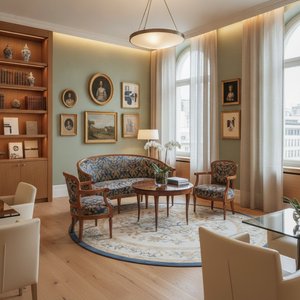
Biedermeier Style Guide: Integrating Elegant, Functional 19th-Century Art into Modern Hotel & Hospitality Interiors
Master the Biedermeier style for hospitality design. Our professional guide explores integrating 19th-century elegance and functional simplicity into modern hotel interiors through expert art procurement and large-scale custom reproductions.
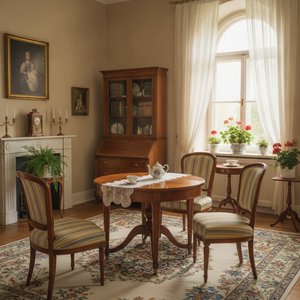
Biedermeier Style: The Art of Comfort, Elegance, and Home Harmony in 19th-Century Europe
Discover the soulful elegance of Biedermeier style. Explore how 19th-century Europe turned to domestic comfort and refined simplicity through art and design. A deep dive into the era of bourgeois sophistication for the true classic art enthusiast.