
 实景预览
实景预览
 分享
分享 分享
分享
 详情
详情 指南
指南

 下载作品
下载作品
 相似作品
相似作品 X射线
X射线 幻灯片播放
幻灯片播放 Q&A
Q&A 统计数据
统计数据Autoportrait


 展开全文
展开全文
艺术微喷/版画
博物馆级艺术微喷或帆布版画,制作高效,并提供多种饰面选择。 ( 订购纯手工绘制画作 切换至数字图像销售渠道)




P118B ¥10

P118H ¥10

P118W ¥10

P438Z ¥10

P508JH ¥12

P508YH ¥12

P805H ¥10

P805Z ¥10

P919BZ ¥10

P919G ¥10

P919XJ ¥10

P959ZH ¥10

P968JZ ¥12

W106C ¥8

W218G ¥10

W218JH ¥8

W218Y ¥10

W307PJ ¥10

W316G ¥10

W316PJ ¥8

W316Y ¥10

W398PJ ¥8

W4111J ¥10

W500HY ¥15

W500JH ¥15

W692G ¥12

W849H ¥8

W940BG ¥15

W953PJ ¥8




您可以从与原作比例一致的预设尺寸中进行选择。

请输入您所需的宽度和高度,以适配您的画框或墙面。由于印刷品只能进行裁剪,无法超出原图尺寸,因此若比例不一致,画面的一部分将会被裁切。在正式印刷之前,我们会为您发送一份数字效果图供您确认。本页面显示的图片并非最终裁剪后的效果——只有效果图才能展示真实的裁剪情况。


 玻璃选项仅适用于110厘米以下的尺寸。

Autoportrait
艺术微喷/版画
复刻品尺寸
-


最终结算价
¥ 537
艺术家简介
Perignon Alexis Joseph: A Visionary of 19th-Century French Portraiture
Alexis-Joseph Pérignon (1806 – 1882) stands as a quietly significant figure within the landscape of 19th-century French art, a painter whose evocative portraits and landscapes offer a glimpse into the social fabric and artistic sensibilities of his time. Born in Paris, Pérignon’s early life remains somewhat shrouded in mystery, yet it is clear that he possessed an innate talent for capturing the nuances of human expression and the beauty of the natural world. His career unfolded primarily during the Romantic and Realist periods, a time marked by both fervent emotion and a growing desire to depict reality with increasing accuracy – a tension that profoundly shaped his artistic approach. Pérignon’s formal training is not extensively documented, suggesting he may have initially pursued art independently before entering established studios. However, his work demonstrates a sophisticated understanding of composition, color theory, and the subtle interplay of light and shadow. He was particularly influenced by the Barbizon School, known for its focus on plein air painting and its celebration of rural life, though he never fully embraced the school’s rustic aesthetic. Instead, he skillfully integrated elements of Romanticism – a heightened sense of drama, emotional intensity, and an appreciation for the sublime – into his portraits, imbuing them with a captivating psychological depth.A Palette of Emotion: Style and Technique
Pérignon’s artistic style is characterized by a remarkable sensitivity to detail and a masterful command of tonal values. He favored a muted palette—earthy browns, soft grays, and subtle greens—that allowed his subjects to emerge from the background with an almost ethereal quality. His brushwork was generally smooth and blended, creating a sense of fluidity and movement within the painted surface. He wasn’t interested in flamboyant displays of virtuosity; rather, he sought to capture the essence of his subjects through carefully observed details and subtle gestures. A key element of his technique involved layering thin glazes of paint, building up color gradually to achieve remarkable depth and luminosity. This approach is particularly evident in portraits like “Portrait de Madame Arnould Plessis,” where the delicate rendering of fabric and the nuanced expression on the subject’s face reveal a profound understanding of human psychology.Notable Works and Subjects
Pérignon's oeuvre encompasses both portraiture and landscape painting, though his portraits are undoubtedly his most celebrated achievements. He frequently depicted members of Parisian society—aristocrats, merchants, and intellectuals—capturing their individual personalities with remarkable accuracy. “Autoportrait” offers a particularly intimate glimpse into the artist’s own self-awareness, revealing a thoughtful and introspective gaze. Beyond portraiture, Pérignon produced numerous landscapes, often depicting scenes from rural France – rolling hills, verdant forests, and tranquil waterways. These works demonstrate his ability to translate the beauty of nature onto canvas with sensitivity and precision. “Hortense Schneider dans le rôle de la Folie” is a particularly striking example, blending portraiture with theatricality and hinting at the artist’s interest in exploring themes of identity and performance.Historical Context and Legacy
Pérignon's work reflects the broader cultural shifts occurring during the 19th century. The rise of industrialization and urbanization led to a growing sense of alienation and social unrest, while simultaneously fostering a renewed interest in tradition and the natural world. His art can be seen as a response to these complex forces—a desire to preserve beauty and human connection amidst a rapidly changing society. While he never achieved widespread fame during his lifetime, Pérignon’s work has been increasingly recognized for its quiet elegance, psychological depth, and technical mastery. His paintings are now housed in several museums across France, offering viewers a rare opportunity to connect with the artistic vision of this often-overlooked 19th-century painter. His legacy lies not in grand pronouncements or revolutionary innovations, but rather in his ability to capture the subtle beauty of everyday life and the enduring power of human emotion—a testament to the quiet strength of his art.
Perignon Alexis Joseph
1808 - 1882
艺术家简介
- Full Name: Alexis Joseph Perignon
- Nationality: French
- Date Of Birth: 1808
- Date Of Death: 1882
- Place Of Birth: Paris, France
- Notable Artworks:
- Autoportrait
- Portrait de Madame Arnould Plessis
- Hortense Schneider dans le rôle de la Folie
- Artistic Movement Or Style: French Impressionism
相关文章

19th Century Masterpieces: 10 Paintings That Defined an Era | OriginalUniqueArt
Journey through 19th century art with OriginalUniqueArt! Explore 10 iconic paintings – from Monet & Renoir to Courbet – and discover the stories behind Romanticism, Realism & Impressionism. Find museum-quality reproductions for your home decor. Explore the full collection online!

The Enduring Power of Painting: A Historical & Contemporary Exploration of Form and Emotion
Explore the rich history & enduring techniques of oil painting with OriginalUniqueArt. Discover masterpieces, learn about art collecting, and find authentic handmade reproductions crafted by skilled artists.

The Enduring Legacy of Oil on Canvas: Technique, History & Aesthetic Impact
Explore the rich history & techniques of oil painting – from Renaissance masters to Impressionism. Discover pigments, layering methods, and why this timeless medium endures. Expert insights for artists & art enthusiasts.
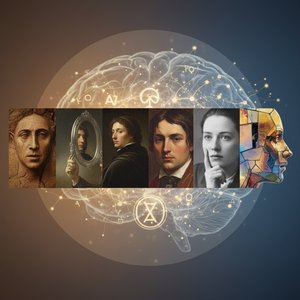
Reflecting the Self: A History of Portraiture & Psychological Insight
Explore the fascinating history of self-portraiture from Renaissance masters like Dürer & Rembrandt to modern interpretations. Discover the psychological insights and artistic techniques behind these iconic works. Expert analysis for art enthusiasts.

Oil on Canvas: A Historical & Technical Exploration of a Timeless Artistic Medium
Explore the rich history & enduring techniques of oil painting on canvas. Discover the science behind its longevity, conservation practices, and contemporary relevance. Expert insights for art enthusiasts.