

 效果预览
效果预览
 分享
分享 分享
分享
 详情
详情

 下载
下载
 相似作品
相似作品 X射线
X射线 幻灯片播放
幻灯片播放 统计数据
统计数据SARPS FOSSEN (CHUTE D'EAU)


 展开详情
展开详情
艺术微喷/版画
博物馆级艺术微喷或帆布版画,制作高效,并提供多种饰面选择。 ( 购买手绘画作 切换至数字图像销售渠道)




P118B $10

P118H $10

P118W $10

P438Z $10

P508JH $12

P508YH $12

P805H $10

P805Z $10

P919BZ $10

P919G $10

P919XJ $10

P959ZH $10

P968JZ $12

W106C $8

W218G $10

W218JH $8

W218Y $10

W307PJ $10

W316G $10

W316PJ $8

W316Y $10

W398PJ $8

W4111J $10

W500HY $15

W500JH $15

W692G $12

W849H $8

W940BG $15

W953PJ $8




从与原作比例一致的预设尺寸中进行选择。

您可以输入自定义尺寸,以适配特定的画框或空间。如果您选择的尺寸与原图比例不符,我们将对作品进行裁剪,或通过镜像填充/纯色填充边缘的方式来扩展图像。在开始制作之前,我们会向您发送一份数字效果图供您确认。
请注意,屏幕上的预览并不能反映实际的裁剪或扩展效果。只有效果图才能准确展示最终的构图。
虽然我们提供定制尺寸,但为了保持原图比例,我们建议您从预设列表中选择尺寸。


 玻璃选项仅适用于110厘米以下的尺寸。

SARPS FOSSEN (CHUTE D'EAU)
艺术微喷/版画
复制品尺寸
-


最终总价
$ 80
A Symphony of Light and Landscape: Unveiling Peder Balkes "Sarps Fossen"
Peder Balke’s “Sarps Fossen (Chute d’Eau)” isn't merely a depiction of a waterfall; it’s an immersive experience, a carefully constructed meditation on the sublime power and quiet beauty of the Norwegian wilderness. Painted around 1860, this oil-on-canvas masterpiece transports the viewer to the heart of Telemark, capturing not just the physical form of Sarps Fossen but also the very spirit of Romanticism – a movement that sought to elevate nature as a source of spiritual and emotional resonance. The painting’s enduring appeal lies in its ability to evoke a profound sense of awe and tranquility simultaneously, inviting contemplation on humanity's place within the vastness of the natural world.
Balke, born into a farming family in rural Norway, possessed an innate sensitivity to the landscape that would define his artistic career. His early life amidst the rugged beauty of Hedmark instilled a deep connection to nature, a connection he translated onto canvas with remarkable skill and emotional depth. He wasn’t interested in precise realism; instead, he prioritized conveying the *feeling* of being present within this dramatic scene – the cool mist rising from the churning water, the echoing roar of the cascade, the diffused light filtering through the clouds.
Composition and Color: A Masterclass in Atmospheric Perspective
The composition of “Sarps Fossen” is meticulously balanced, employing a classic horizontal format that emphasizes the breadth of the landscape. The eye is immediately drawn to the mid-ground – the powerful waterfall itself – its white foam contrasting dramatically against the dark, textured cliffs that frame it. Foreground elements, including the shadowy shoreline and the small boat navigating the river, provide a sense of scale and human presence within this immense natural setting. Crucially, Balke utilizes atmospheric perspective with exquisite precision; distant elements are rendered in paler, less distinct tones, creating an illusion of depth and drawing the viewer’s gaze into the receding horizon.
The color palette is dominated by muted earth tones – browns, ochres, and yellows – reflecting the weathered stone and moss-covered terrain. Subtle blues and grays are woven throughout the sky and water, adding a touch of coolness and contrast to the warmer hues below. This restrained use of color contributes significantly to the painting’s overall sense of tranquility and age, suggesting that this landscape has witnessed centuries of change yet retains an enduring beauty.
Technique and Emotional Resonance: The Language of Romanticism
Balke's technique is characterized by loose, expressive brushstrokes – a hallmark of the Romantic style. He avoids overly detailed rendering, opting instead to capture the *essence* of the scene through broad washes of color and gestural marks. The texture of the rocks is suggested with visible impasto, while the water surface is rendered with smoother strokes that convey movement and fluidity. This deliberate lack of precision allows the viewer’s imagination to fill in the details, fostering a deeper connection with the artwork.
More than just a landscape painting, “Sarps Fossen” embodies the Romantic ideal of nature as a source of spiritual inspiration. The sheer scale of the waterfall evokes a sense of awe and humility, reminding us of our smallness in the face of nature’s power. The inclusion of the lone boat suggests humanity's tentative relationship with this untamed wilderness – an invitation to both admire and respect its grandeur. It is a painting that speaks to the heart, evoking feelings of peace, wonder, and perhaps even a touch of melancholy.
Historical Context and Legacy
Painted during a period of significant artistic and social change in Norway, “Sarps Fossen” reflects Balke’s own evolving artistic vision. He was deeply influenced by the Romantic movement, which emphasized emotion, imagination, and the beauty of nature. His work also aligns with the broader Norwegian tradition of landscape painting, which sought to capture the unique character of the country's diverse terrain. Today, “Sarps Fossen” is recognized as a seminal work in Norwegian art history, celebrated for its technical mastery, emotional depth, and enduring appeal.
艺术家简介
挪威浪漫主义的远见者:佩德·巴尔克的生命与艺术
1804年,佩德·安德森·巴尔克(Peder Andersen Balke)出生于挪威质朴的赫尔格岛(Helgøya)。在19世纪的风景画传统中,他逐渐成长为一位具有深刻原创性的艺术之声。他的生命历程是一部在乡村艰辛与社会束缚背景下,坚定追求艺术真谛的史诗。在挪威旷野那凛冽而壮丽的美景中长大,使他与自然建立了一种深层的联结,这种联结最终成为了其作品的核心灵魂。尽管出身于农民家庭,巴尔克天生的才华却得到了社区的认可——乡亲们甚至集资支持他的艺术教育,这足以证明即便在物质匮种的年代,人们对创造力的珍视。这份早期的鼓励推动他走向了正式的艺术殿堂:他先师从海因里希·奥古斯特·格罗施(Heinrich August Grosch)与雅各布·蒙奇(Jacob Munch),随后远赴斯德哥尔摩,在瑞典皇家美术学院跟随卡尔·约翰·法尔克兰茨(Carl Johan Fahlcrantz)深造,并最终在约翰·克里斯蒂安·达尔(Johan Christian Dahl)的陪伴下精进技艺。
独特风格的塑造
巴尔克的艺术发展轨迹,是一场对技法与表现力永无止境的探索。他不满足于仅仅复刻视觉世界,而是试图捕捉其情感的本质与崇高的力量。他的画作因极具戏剧性的光影处理而令人过目难辨:画面往往沉浸在一种空灵的微光之中,或是笼罩在充满氛围感的幽暗里。他对光线的痴迷——尤其是月光与暮色那转瞬即逝的效应——成为了他标志性的艺术语言。他发展出了一种独特的笔触,以富有纹理感的线条和不寻常的色彩运用为特征,营造出一种梦幻般的质感,使其作品从传统的浪漫主义风景画中脱颖而出。对他而言,绘画不仅仅是在描绘所“见”之物,更是在传达他在自然面前所“感”之情。
挪威风景:画布上的民族认同
巴尔克最为人称道的是他对挪威地貌那令人动容的描绘,这一主题贯穿了他的整个职业生涯。例如创作于1872年的《克里斯蒂安尼亚景观(今奥斯陆)》,虽然为我们提供了窥视挪威首都城市生活的迷人视角,但即便在城市场景中,自然世界依然占据着主导地位,构成了城市的框架,时刻提醒着观者城市与周围荒野的紧密联系。《斯凯尔维岛港口》(1846)展现了他对细节的严谨追求,以及捕捉沿海港口繁忙生命力的卓越能力。《古树》(1840)凭借其凛冽的冬日景象和强烈的光影对比,完美诠释了他对氛围与情绪的掌控力。而《海景》(1845)与《月光下的北角》(1848)则进一步证明了他传达挪威海岸线及北方极地那崎岖之美与狂野精神的能力。这些作品并非仅仅是如画的风景,它们更是关于民族认同的宣言,是对挪威独特自然遗产的一曲赞歌。
画布之外:社会良知
佩德·巴尔克不仅仅是一位艺术家,他更是一位致力于社会改革的实践者,积极应对着时代的紧迫问题。他坚信应当利用自己的资源与影响力来改善他人的生活,其中最著名的便是“巴尔克比计划”(Balkeby project)——这是一个旨在为工人提供体面居住条件的奥斯陆新郊区项目。通过提供贷款并执行严格的建筑规范,他展现了对社会正义的务实承诺。此外,巴尔克还孜孜不倦地为艺术家争取经济支持,主张为男女艺术家提供资助与养老金,因为他深知创造力在社会运作中的核心作用。这种对社会事业的奉献精神,揭示了一个富有同情心且具有前瞻性的灵魂,在他眼中,艺术与人类的福祉是内在统一的。
重新发现与传承
尽管做出了如此卓越的贡献,但在1887年逝世后的漫长岁月里,巴尔克的作品在很大程度上被世人所遗忘。直到20世纪末与21世纪初,人们才开始重新审视并欣赏他那独特的艺术视野。伦敦国家美术馆(2014-2015)和纽约大都会艺术博物馆(2017)等顶尖机构举办的大型展览,将他的画作推向了更广泛的受众,引发了评论界的赞誉与学术界的浓厚兴趣。时至今日,佩德·巴尔克已被公认为挪威艺术史上的关键人物,其戏剧性的风景与情感深度持续引起着观众的共鸣。他的影响力在后世的北欧艺术家作品中清晰可见,确立了他作为一位用画布捕捉挪威灵魂的真正远见者的地位。
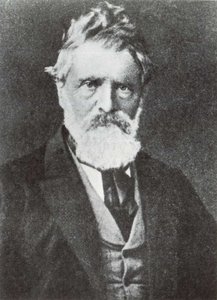
佩德·巴尔克
1804 - 1887 , 挪威
艺术家简介
- Artistic Movement Or Style: 浪漫主义风景画
- Artists Or Movements Influenced By This Artist:
- 北欧艺术
- 浪漫主义
- Artists Who Influenced This Artist:
- Heinrich Grosch
- Jacob Munch
- Carl Fahlcrantz
- Johan Dahl
- Date Of Birth: 1804年
- Date Of Death: 1887年
- Full Name: 佩德·巴尔克 (Peder Balke)
- Nationality: 挪威
- Notable Artworks:
- 克里斯蒂安尼亚全景 (Vue de Christiania)
- 斯凯尔韦港 (The Harbor at Skjervøy)
- 古树 (Old Trees)
- 海景 (Seascape)
- 弗雷德里克哈尔德 (Fredrikshald)
- 月光下的北角 (North Cape by Moonlight)
- Place Of Birth: 挪威,黑格伊 (Hegrium, Norway)
相关文章

Johan Christian Dahl: Pioneering Norwegian Romantic Landscape Painting
Explore the life & art of Johan Christian Dahl, Norway's first great Romantic painter. Discover his iconic landscapes, cultural impact, and lasting legacy with OriginalUniqueArt.

Evocations of Place: A Historical Journey Through Landscape Art
Explore the rich history of landscape art with OriginalUniqueArt. Discover renowned artists, movements like Impressionism & Romanticism, and expert guidance for collecting timeless pieces. Find your perfect serene escape today!
Capturing Stillness: A Curated Exploration of the Most Iconic Lake Landscapes in Art History
Journey through art history's most serene lake landscapes. From Romantic vistas to light-drenched Impressionist waters, discover the stories behind these iconic masterpieces and find museum-quality, hand-painted oil reproductions for your private collection.

浪漫主义画派的十部巨作:定义风景画的艺术传奇
探索浪漫主义风景画的巅峰!本文精选十部经典名作,带您领略莫奈、库尔贝等大师的艺术魅力。感受色彩与光影的诗意,重温自然风光的震撼。OriginalUniqueArt.com为您提供博物馆级别的艺术复制品和个性化家居装饰方案。尽在OriginalUniqueArt.com!

康斯塔布尔大师之作:25幅传世风景画赏析 | OriginalUniqueArt
探索康斯塔布尔的25幅传世杰作!沉浸于英国田园风光,感受浪漫主义绘画大师的光影与色彩。高清油画复制、艺术品购买尽在OriginalUniqueArt.com,为您的家居增添经典之美。立即在线探索完整系列!
