

 实景预览
实景预览
 发送
发送 分享
分享
 详情
详情 指南
指南

 下载图片
下载图片
 相似作品
相似作品 X射线
X射线 幻灯片播放
幻灯片播放 统计数据
统计数据Ruins and Figures
 Oil On Copper
- Italianate Landscape
 1600
1600 27.0 x 35.0 cm
 卢浮宫
卢浮宫
 阅读全文
阅读全文
艺术微喷/版画
博物馆级艺术微喷或帆布版画,制作高效,并提供多种饰面选择。 ( 订购此收藏品的纯手工复刻画作 切换至数字图像销售渠道)




P118B ¥10

P118H ¥10

P118W ¥10

P438Z ¥10

P508JH ¥12

P508YH ¥12

P805H ¥10

P805Z ¥10

P919BZ ¥10

P919G ¥10

P919XJ ¥10

P959ZH ¥10

P968JZ ¥12

W106C ¥8

W218G ¥10

W218JH ¥8

W218Y ¥10

W307PJ ¥10

W316G ¥10

W316PJ ¥8

W316Y ¥10

W398PJ ¥8

W4111J ¥10

W500HY ¥15

W500JH ¥15

W692G ¥12

W849H ¥8

W940BG ¥15

W953PJ ¥8




您可以从与原作比例一致的预设尺寸中进行选择。

请输入您所需的宽度和高度,以适配您的画框或墙面。由于印刷品只能进行裁剪,无法超出原图尺寸,因此若比例不一致,画面的一部分将会被裁切。在正式印刷之前,我们会为您发送一份数字效果图供您确认。本页面显示的图片并非最终裁剪后的效果——只有效果图才能展示真实的裁剪情况。


 玻璃选项仅适用于110厘米以下的尺寸。

Ruins and Figures
艺术微喷/版画
复刻品尺寸说明
-


总计金额
¥ 538
A Glimpse of Renaissance Arcadia: Paul Bril’s “Ruins and Figures”
Paul Bril's "Ruins and Figures," painted in 1600, is more than just a landscape; it’s a carefully constructed meditation on time, memory, and the enduring beauty of nature. Housed within the hallowed halls of the Louvre Museum in Paris, this oil-on-copper masterpiece transports us to an idealized Italian countryside, a realm both familiar and profoundly evocative. Bril, a pivotal figure in the development of the Italianate landscape genre, masterfully blends classical motifs with a distinctly Northern European sensibility, creating a scene that resonates with a serene yet subtly melancholic atmosphere. The painting’s genesis lies within the burgeoning Renaissance interest in antiquity – the ruins themselves serve as poignant reminders of vanished civilizations and the passage of time, while simultaneously offering a stage for human activity.Composition and Technique: A Symphony of Earth Tones
The composition of “Ruins and Figures” is remarkably balanced, drawing the eye through a carefully orchestrated arrangement of elements. The foreground is dominated by rugged terrain – rocky outcrops and cliffs that provide a dramatic backdrop to the scene. These imposing natural features are skillfully contrasted with patches of verdant foliage, creating a dynamic interplay between wildness and cultivated beauty. Scattered throughout this landscape are figures engaged in various activities: some resting beneath trees, others traveling along winding paths, and still others conversing – each contributing to the sense of a vibrant, lived-in world. Bril’s use of earth tones—ochres, browns, and muted greens—dominates the palette, lending the scene a timeless quality. The soft lighting, characteristic of his style, further enhances this effect, bathing the landscape in a gentle glow that evokes both warmth and tranquility. The choice of oil on copper was crucial; it allowed for the rich, luminous colors and subtle gradations of tone that define Bril’s distinctive style, offering an unparalleled level of detail and depth.Historical Context: Echoes of Classical Antiquity
“Ruins and Figures” is deeply rooted in the Renaissance fascination with classical antiquity. The inclusion of ruins—likely inspired by the remnants of Roman villas or temples—is a deliberate nod to this historical context. These crumbling structures aren’t merely decorative elements; they represent a symbolic link to the past, inviting contemplation on themes of mortality, impermanence, and the enduring power of nature. Bril's work reflects the broader artistic trends of the period, which saw a renewed interest in classical ideals of beauty, harmony, and proportion. Furthermore, the painting’s creation coincided with a period of significant technological advancement – the use of oil on copper allowed for greater control over color and texture than previous mediums, contributing to the painting's remarkable realism and atmospheric depth.Symbolism and Emotional Resonance: A Moment Frozen in Time
Beyond its historical context, “Ruins and Figures” is rich in symbolic meaning. The ruins themselves can be interpreted as metaphors for human ambition and the fleeting nature of earthly power. The figures engaged in their daily activities represent the continuity of life—the cycle of labor, leisure, and social interaction. The painting’s overall mood is one of serene contemplation, yet there's an underlying sense of melancholy – a recognition that all things eventually fade away. Bril masterfully captures this duality, creating a scene that is both beautiful and poignant. The composition invites the viewer to step into the landscape, to lose themselves in its tranquility, and to reflect on their own place within the grand sweep of time. It’s a timeless image, offering a glimpse into a bygone era while simultaneously speaking to universal human experiences.Bringing “Ruins and Figures” Home: A High-Quality Reproduction
OriginalUniqueArt offers meticulously crafted hand-painted reproductions of Paul Bril's "Ruins and Figures," allowing you to bring this iconic masterpiece into your own home or office. Our skilled artists replicate the painting’s intricate details, rich colors, and atmospheric depth with exceptional precision. Available in a range of sizes, our reproductions are printed on archival-quality canvas using vibrant pigments that will resist fading for generations to come. Whether you're an art collector, an interior designer, or simply someone who appreciates beauty, a OriginalUniqueArt reproduction of “Ruins and Figures” is a stunning addition to any space – a testament to the enduring legacy of Paul Bril’s artistic vision. Explore our collection today and discover the perfect way to experience this Renaissance gem.问答详情
"Ruins and Figures" 的色彩之间是如何相互关联的?
"Ruins and Figures" 的色彩和谐度记录为 Strong Color Unity。
是否可以下载"Ruins and Figures"的高分辨率版本?
若想获取 保卢斯·布里尔 的《Ruins and Figures》 的数字版文件,请前往其 数字图像 页面进行 高分辨率数字图像下载。
“Ruins and Figures”整体色调是偏明亮还是偏暗?
保卢斯·布里尔 的《Ruins and Figures》 的亮度记录为 shadow,亮度值为 Soft Shadow。
艺术家简介
保卢斯·布里尔 (Paulus Bril):意式风景画的大师
保卢斯·布里尔,亦被称为保罗·布里尔(Paul Brill, 1554-1626),是一位极具影响力的佛兰德画家与版画家。他因在“意式风景画”(Italianate landscape)流派发展中所起的先驱作用而闻名于世。这位出生于比利时安特卫普的艺术家,其艺术生涯的大部分时光都在罗马度过;在那里,他的创作深刻地影响了意大利及北欧的风景画创作。布里尔留给后世的艺术遗产,在于他能够精准地捕捉意大利乡村的美丽与壮丽,并巧妙地将古典主义母题与独特的空气透视法融为一体。
早年生活与艺术成长
- 出身与家庭:保卢斯·布里尔出生于安特卫普,尽管也有资料认为其出生地可能是布雷达。他出身于一个艺术世家,他的父亲既是画家也是艺术交易商,这使得年幼的保卢斯能够很早就接触并沉浸在艺术世界之中。
- 早期训练与影响:他的初步艺术训练很可能是在家族氛围中完成的,通过继承佛兰德风景画的传统,他掌握了强调大气效果的技艺——即利用光影、色彩和空气透视来营造空间深度与情感氛围。他的早期作品便体现了这种影响,展现出极其细腻的笔触以及对写实主义的追求。
- 移居罗马:布里尔职业生涯中的一个转折点是他迁居罗马。这次迁徙让他直接面对意大利壮丽的自然景观,并促使他最终形成了标志性的艺术风格——意式风景画。
意式风景画及其艺术创新
- 核心特征:布里尔笔下的意式风景画以描绘理想化的意大利乡村景观为特征,画面中常出现古典时期的遗迹(如神庙、拱门、石柱)、如诗如画的水道、茂密的植被以及田园诗般的牧歌场景。
- 古典母题与构图:他高超地将古典建筑元素融入构图之中,创造出自然景观与古代文明之间和谐共生的美感。他的风景画不仅仅是对景色的描绘,更唤起了一种历史的厚重感、宏伟感以及永恒之美。
- 光影与大气:布里尔对光影与色彩的大师级运用是其作品魅力的关键。他通过温暖的色调和细腻的色彩过渡,营造出一种明亮且富有感染力的氛围,仿佛能将观者直接拉入画中的情境。他对空气透视法的深刻理解——即物体随距离增加而变得模糊、偏蓝的视觉现象——为他的风景画增添了无与伦比的深度与真实感。
- 对同时代艺术家的影响:布里尔的风格对后世艺术家产生了深远影响,其中最著名的莫过于克劳德·洛兰(Claude Lorrain),后者非常钦佩并效仿了布里尔的风景画创作手法。此外,威廉·范·尼尤兰特(Willem van Nieulandt)也受到了他的启发,两人在描绘意式遗迹方面有着共同的艺术追求。
卓越成就与历史地位
- 风景画的革命:保卢斯·布里尔被视为意式风景画流派发展的关键人物,他为意大利及北欧的风景画创作确立了全新的艺术标准。
- 声望与赞助:在世时,他的作品便备受追捧,这充分证明了他在当时的收藏家和艺术赞助人中拥有极高的地位。
- 艺术遗产:布里尔对古典母题、空气透视法以及自然理想化描绘的强调,影响了随后一代又一代的风景画家。他成功地将风景画从一种次要的题材提升到了具有显著艺术价值的高度。
馆藏与进一步探索
保卢斯·布里尔的作品现收藏于欧洲多家著名的博物馆与私人收藏机构中,其中值得关注的包括:
- 比利时布吕赫,格罗宁格博物馆 (Groeninge Museum)
- 比利时安特卫普,罗科克斯故居 (Rockox House)
若想进一步探索他的艺术世界,欢迎访问 保卢斯·布里尔艺术家专页 并浏览 OriginalUniqueArt.com 上的相关艺术作品。

保卢斯·布里尔
1554 - 1626 , 比利时
快速概览
- Artistic Movement Or Style: 意大利式风景画, 风格主义
- Artists Or Movements Influenced By This Artist: ['克劳德·洛兰']
- Date Of Birth: 1554
- Date Of Death: 1626
- Full Name: Paulus Bril / Paul Brill
- Nationality: 弗拉芒
- Notable Artworks:
- 布拉恰诺风景
- 埃尔米尼亚风景
- Place Of Birth (City And Country): 比利时,安特卫普
相关文章

浪漫主义画派的十部巨作:定义风景画的艺术传奇
探索浪漫主义风景画的巅峰!本文精选十部经典名作,带您领略莫奈、库尔贝等大师的艺术魅力。感受色彩与光影的诗意,重温自然风光的震撼。OriginalUniqueArt.com为您提供博物馆级别的艺术复制品和个性化家居装饰方案。尽在OriginalUniqueArt.com!

Evocations of Place: A Historical Journey Through Landscape Art
Explore the rich history of landscape art with OriginalUniqueArt. Discover renowned artists, movements like Impressionism & Romanticism, and expert guidance for collecting timeless pieces. Find your perfect serene escape today!

保罗·克利25幅杰作:色彩与形式的艺术之旅 | OriginalUniqueArt
探索保罗·克利25幅杰作,领略抽象艺术的魅力!深入了解克利作品背后的故事、色彩构成与艺术灵感。OriginalUniqueArt.com提供高清油画复制品,为您的家居装饰增添艺术气息。立即在线探索完整系列!

保罗·塞尚:25幅大师杰作,重塑现代艺术与家居美学 | OriginalUniqueArt
探索保罗·塞尚25幅经典杰作!深入了解后印象派大师的艺术生涯、独特技法与色彩运用。OriginalUniqueArt提供高清油画复制品,为您的家居带来博物馆级艺术体验。立即发现更多名画,点亮生活空间!
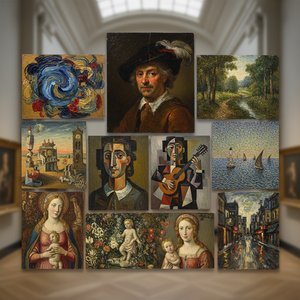
Oil on Board Masters: 10 Paintings That Redefined Art | OriginalUniqueArt
Explore 10 legendary 'Oil on Board' masterpieces by Van Gogh, Monet & more! Discover art history, iconic styles like Impressionism, and find museum-quality reproductions to elevate your home decor. Explore the full collection online at OriginalUniqueArt.com.

