

 实景预览
实景预览
 发送
发送 分享
分享
 详情
详情 指南
指南

 下载图片
下载图片
 相似作品
相似作品 X射线
X射线 幻灯片播放
幻灯片播放 统计数据
统计数据Sleeping
 Acrylic
- WallArt
- Contemporary Realism
 1986
1986 149.0 x 149.0 cm
 Arts Council Collection
 阅读全文
阅读全文
购买高分辨率增强版数字图像,其品质远超在线预览。
每一份文件都由我们的内部专家使用先进工具与专业的后期润色技术精心打造。我们确保每一张图像都具备卓越的清晰度、精准的色彩还原度以及细腻的细节表现。
最终文件将在 72 小时内通过电子邮件交付,并针对专业、编辑及印刷用途进行了优化。其品质与顶级设计工作室、出版社和画廊所信赖的标准完全一致。
数字图像
下载高分辨率文件,用于个人展示、打印及创意项目。 ( 切换至版画销售渠道 订购此收藏品的纯手工复刻画作)
每份数字图像订单均包含的内容
专业级数字交付,品质无忧
选择 OriginalUniqueArt.com,您获得的不仅仅是一张图像——您收到的是经过专业级增强、精雕细琢的数字艺术作品,并享有满意保证。以下是您的订单中自动包含的所有内容:

即时邮件交付
您的高分辨率数字图像文件将在下单后 72 小时内通过电子邮件发送给您 —— 即可立即使用。

AI 增强型数字图像
您的艺术品经过专业优化,结合先进的 AI 技术与人工修饰,确保呈现极致的细节、清晰度与色彩准确度。

终身免费重发服务
不小心删除了文件或找不到了?没关系——我们将随时为您免费重发。

无需进口税费,始终如一
即刻拥有您的艺术作品,无需支付任何关税、税费或运费——数字下载始终免税。

色彩精准保障
我们通过专业工具与色彩管理技术,确保您的数字图像尽可能真实地还原原作色彩。

100天满意保证
如果您对所购数字图像不满意,我们将在100天内为您进行修改或提供100%的全额退款——无需任何理由。

100% 退款保证
不满意?在收到数字文件后的100天内,您可以申请全额退款——无需任何理由。

批量订购优惠
购买 3 张享 10% 折扣 - 购买 5 张享 15% 折扣 - 购买 10 张以上享 20% 折扣。非常适合创意项目、画廊及机构使用。
Paula Rego's "Sleeping": A Chronicle of Innocence and Shadow
Paula Rego’s “Sleeping,” painted in 1986, is more than just a depiction of slumbering girls; it’s a meticulously crafted narrative brimming with unsettling beauty and layered symbolism. Measuring 149 x 149 cm, this work immediately draws the viewer into a scene that simultaneously evokes warmth and profound unease. Rego, deeply influenced by her Portuguese heritage and the political realities of her upbringing – particularly the oppressive regime of António Salazar – consistently explored themes of power, vulnerability, and the darker aspects of human nature through her distinctive figurative style.
- Subject Matter: The painting centers around two young girls lying asleep, seemingly protected by a watchful figure. However, the surrounding details introduce an element of ambiguity, transforming what might initially appear as a tender scene into one fraught with potential danger.
- Technique: Rego’s masterful technique is immediately apparent in her use of rich, saturated colors and precise detailing. Her brushwork is both controlled and expressive, creating a tactile quality that invites close inspection. The figures are rendered with remarkable realism, yet their expressions and postures hint at hidden emotions and unspoken narratives.
Symbolism Woven into the Fabric of the Scene
“Sleeping” is replete with symbolic elements that resonate deeply within the context of Rego’s artistic practice and Renaissance iconography. The sprig of blossom, a traditional symbol of innocence and new life, sits incongruously alongside the menacing shadow cast by the rake – a tool often associated with destruction and disruption. This juxtaposition immediately establishes a tension between idealized notions of childhood and the lurking presence of threat. The pelican, a recurring motif in Rego’s work, further complicates the scene; its open beak suggests both nurturing and potential predation. The positioning of the girls themselves—one leaning on a tree trunk, another kneeling – subtly reinforces themes of dependence and observation.
Historical Context and Rego's Narrative Vision
Painted in 1986, “Sleeping” represents a pivotal moment in Rego’s artistic evolution. Following her breakthrough series ‘Girls and Dog’ paintings, she continued to refine her style, embracing greater realism while retaining her characteristic ability to infuse her work with psychological depth. This painting prefigures "The Nursery Rhymes," an etching series from 1989 that further explored the unsettling potential within seemingly innocent narratives. Rego's work reflects a broader trend in late 20th-century art, challenging conventional representations of women and exploring complex social issues through intensely personal and often disturbing imagery. The echoes of Renaissance symbolism, deliberately employed, underscore the timeless nature of human anxieties and the enduring power of storytelling.
Emotional Impact and Artistic Significance
"Sleeping" possesses a haunting beauty that lingers long after viewing. It’s a painting that demands contemplation, prompting viewers to question their assumptions about safety, innocence, and the hidden dangers lurking beneath the surface. Rego's ability to capture such profound emotional complexity within a seemingly simple scene is a testament to her artistic genius. This work stands as a powerful example of her unique vision – a blend of meticulous observation, psychological insight, and a willingness to confront uncomfortable truths. Its enduring appeal lies in its capacity to evoke both fascination and unease, solidifying Rego’s place as one of the most important artists of her time.
问答详情
哪些色调与主导色彩定义了“Sleeping”?
Paula Figueiroa Rego 的《Sleeping》 的色彩特征:Earthy 色调,以 Walnut (#714623) 为主导。
我能查看Paula Figueiroa Rego 的《Sleeping》的X光影像吗?
您可以在作品的 X射线检测 页面上逐层探索 “Sleeping”;该交互式查看器的设计灵感源自修复师使用的光源台,通过十一层光学读数呈现图像细节。
Paula Figueiroa Rego 的《Sleeping》 的构图以什么颜色为主导?
在“Sleeping”中,最引人注目的颜色是Walnut (#714623)。了解作品的主色调有助于将其与室内装饰进行搭配。
艺术家简介
A Tapestry of Shadows and Stories: The Life of Paula Rego
Dame Maria Paula Figueiroa Rego was far more than a mere painter; she was a master storyteller who used the canvas to weave intricate, often unsettling, tales of human experience. Born in Lisbon, Portugal, in 1935, her early life was shaped by the heavy, turbulent atmosphere of a world caught between tradition and political upheaval. This sense of underlying tension would become a permanent resident in her work. As she moved from the sun-drenched landscapes of her Portuguese roots to the academic rigor of the Slade School of Fine Art in London, Rego began to develop a visual language that was uniquely her own—one that blended the folk-inspired motifs of her childhood with a sophisticated, modern psychological depth.
Her artistic evolution is a fascinating journey from the abstract to the profoundly representational. In her early years, she experimented with the abstract trends prevalent in the mid-twuieth century, yet she soon found herself drawn to the power of the figure. She discovered that by utilizing recognizable forms—often inspired by storybooks, folklore, and even the domestic sphere—she could explore much darker, more complex themes. Her preference for pastels over oils allowed her to achieve a specific, tactile quality in her work, creating textures that felt both soft and strangely visceral, much like the dreamlike yet haunting narratives she sought to portray.
Feminism, Folklore, and the Unseen Narrative
At the heart of Rego’s oeuvre lies an unwavering commitment to feminist discourse. She possessed a rare ability to take the domestic, the mundane, and the "feminine" and infuse them with a sense of rebellion and agency. Her paintings often feature women navigating spaces that feel both intimate and claustrophobic, challenging the patriarchal gaze by presenting female characters who are complex, powerful, and sometimes even menacing. Through her work, she gave voice to the marginalized, using surrealist imagery to expose the hidden anxieties and societal pressures placed upon women.
This exploration of identity was deeply intertwined with her use of symbolism. Rego frequently employed animals—most notably rabbits—and elements of folklore to act as metaphors for human behavior and social structures. These figures were rarely mere decorations; they were participants in a larger, often surrealist drama. Her work invites the viewer into a world where the boundaries between reality and myth are blurred, forcing an engagement with the psychological truths that lie beneath the surface of everyday life. It is this ability to evoke such profound emotional responses—ranging from curiosity to deep unease—that defines her unique contribution to contemporary art.
Legacy and Artistic Triumph
The significance of Paula Rego’s career cannot be overstated. As a prominent member of The London Group and an Associate Artist at the National Gallery, she occupied a central position in the British modernist movement. Her accolades were numerous, reflecting her status as one of the most influential artists of her era, including being named a Dame Commander of the Order of the British Empire (DBE). Her exhibitions at prestigious institutions like the Calouste Gulbenkian Foundation and the Tate solidified her reputation on the international stage, ensuring that her vision reached far beyond the borders of the UK and Portugal.
Rego’s legacy is found in the way she transformed the act of painting into an act of social commentary. She left behind a body of work that serves as both a historical record of twentieth-century social shifts and a timeless exploration of the human psyche. Her ability to marry the beautiful with the grotesque, and the domestic with the political, continues to inspire generations of artists who seek to use narrative as a tool for profound discovery. Even after her passing in 2022, her stories remain alive, continuing to haunt, provoke, and captivate all who encounter them.
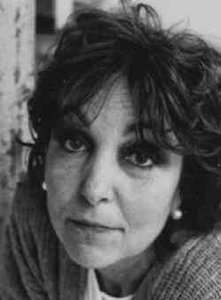
Paula Figueiroa Rego
1935 - 2022
概览
- Artistic Movement Or Style: Surrealism, Expressionism, Feminist Art
- Artists Or Movements Influenced By This Artist: ['National Gallery']
- Artists Who Influenced This Artist: ['Carlo Crivelli']
- Date Of Birth: 1935
- Date Of Death: 2022
- Full Name: Maria Paula Figueiroa Rego
- Nationality: Portuguese
- Notable Artworks:
- War
- Untitled (456)
- Nanny, Small Bears and Bogeyman
- Place Of Birth: Lisbon, Portugal