

 实景预览
实景预览
 发送
发送 分享
分享
 详情
详情 指南
指南

 下载图片
下载图片
 相似作品
相似作品 X射线
X射线 幻灯片播放
幻灯片播放 统计数据
统计数据Self-portrait in red
 Mixed Media
- WallArt
- Contemporary Narrative
 1962
1962- Modern
 152.0 x 152.0 cm
 国立当代艺术博物馆 - Chiado博物馆
 阅读全文
阅读全文
手工油画复制品
由我们的艺术家按需定制,为您提供您所选尺寸及画框的布面手工油画。 ( 切换至版画销售渠道 切换至数字图像销售渠道)




P118B ¥10

P118H ¥10

P118W ¥10

P438Z ¥10

P508JH ¥12

P508YH ¥12

P805H ¥10

P805Z ¥10

P919BZ ¥10

P919G ¥10

P919XJ ¥10

P959ZH ¥10

P968JZ ¥12

W106C ¥8

W218G ¥10

W218JH ¥8

W218Y ¥10

W307PJ ¥10

W316G ¥10

W316PJ ¥8

W316Y ¥10

W398PJ ¥8

W4111J ¥10

W500HY ¥15

W500JH ¥15

W692G ¥12

W849H ¥8

W940BG ¥15

W953PJ ¥8




您可以从与原作比例一致的预设尺寸中进行选择。

请输入您需要的宽度和高度,以适配您的画框或墙面。由于作品为手工绘制,若您选择不同的尺寸比例,艺术家可能会在画面边缘多画一些或稍作裁剪 —— 由您决定。在开始绘画之前,我们会为您发送一份数字效果图供您确认。本页面上展示的图片并非最终实物 —— 只有效果图才能反映真实结果。
下单后,OriginalUniqueArt.com 团队将通过电子邮件联系客户获取具体要求,并提供效果预览图


 玻璃选项仅适用于110厘米以下的尺寸。

Self-portrait in red
复制品材质
复刻品尺寸说明
-


总计金额
¥ 2017
Paula Rego's "Self-Portrait in Red": A Fragmented Narrative of Identity
“Self-Portrait in Red,” created by Paula Rego in 1962, is more than just a painting; it’s an immersive experience, a carefully constructed collision of materials and meaning. This work, measuring 152 x 152 cm, immediately draws the viewer into a world where narrative fragments coalesce around a central figure – Rego herself – presenting a deeply personal yet universally resonant exploration of identity, memory, and the complexities of human relationships. The painting’s raw energy stems from its innovative technique: a masterful blend of oil paint and collage, a method Rego would consistently employ throughout her career.
- The Collage Technique: Rego's process involved layering preparatory drawings, sketches, and even seemingly random objects – a bottle, vases, cups, and birds – onto the canvas. These weren’t simply added as decorative elements; they were integral to the composition, each contributing to the overall sense of disarray and layered meaning.
- A Portuguese Context: Born in Lisbon in 1935, Rego's early life was profoundly shaped by the political climate of Portugal under Salazar’s dictatorship. This experience instilled a deep awareness of power dynamics and societal constraints, themes that subtly permeate her work, particularly evident in the fragmented presentation of figures and objects.
- Emotional Resonance: The painting’s emotional impact is immediate and arresting. The vibrant red background acts as both a visual anchor and a source of tension, amplifying the sense of unease and psychological depth. Rego's self-portrait, rendered with a directness that borders on vulnerability, invites viewers to confront uncomfortable truths about themselves and the world around them.
Decoding the Symbolism: Objects as Echoes
The seemingly random objects scattered throughout “Self-Portrait in Red” are far from accidental. They function as potent symbols, echoing Rego’s personal experiences and broader societal concerns. The presence of multiple figures – nine individuals depicted with varying degrees of engagement – suggests a fractured family dynamic, perhaps reflecting the artist's own complex relationships. The bottle, often associated with intoxication or hidden emotions, adds another layer of ambiguity. The vases and cups could represent domesticity, but their scattered arrangement hints at disruption and instability. Even the birds, frequently symbols of freedom and escape, appear trapped within the confines of the composition, mirroring a sense of confinement.
- The Red Background: Beyond its visual impact, the red background symbolizes passion, violence, and perhaps even danger – emotions that Rego often explored in her work.
- Fragmented Figures: The deliberately fragmented figures contribute to the painting’s overall sense of unease and instability, reflecting the artist's interest in exploring psychological states.
Paula Rego: A Pioneer of Narrative Painting
“Self-Portrait in Red” is a quintessential example of Paula Rego’s artistic vision – a bold departure from traditional portraiture that prioritized narrative and emotional truth over idealized representation. Rego's work, deeply rooted in her Portuguese heritage and informed by feminist concerns, challenged conventional notions of beauty and domesticity. Her innovative use of collage, combined with her unflinching exploration of human psychology, established her as one of the most important artists of the late 20th century. Rego’s influence extends beyond the realm of painting; she paved the way for a new generation of artists who embraced experimentation and challenged artistic conventions.
Collecting "Self-Portrait in Red": A Statement of Vision
This hand-painted reproduction captures not only the visual essence of Rego's masterpiece but also its profound emotional and intellectual depth. Whether adorning a private collection or gracing a corporate space, “Self-Portrait in Red” serves as a powerful statement – an appreciation for artistic innovation, a commitment to exploring complex human narratives, and a recognition of Paula Rego’s enduring legacy. Its size (152 x 152 cm) makes it suitable for a variety of interior design settings, while the vibrant colors and intricate details ensure that it will be a focal point in any room.
问答详情
"Self-portrait in red" 的规格与尺寸是多少?
"Self-portrait in red" 的形式为 Square,原件尺寸为 152 x 152 cm。这两项信息在规划复制品时都非常有用。
Paula Figueiroa Rego 的《Self-portrait in red》 的主导色是什么?
在“Self-portrait in red”中,最引人注目的颜色是Driftwood (#a18071)。了解作品的主色调有助于将其与室内装饰进行搭配。
"Self-portrait in red" 的艺术家是谁?
"Self-portrait in red" 由 Paula Figueiroa Rego 创作。本页面的信息旨在介绍 Paula Figueiroa Rego 的原作。
艺术家简介
A Tapestry of Shadows and Stories: The Life of Paula Rego
Dame Maria Paula Figueiroa Rego was far more than a mere painter; she was a master storyteller who used the canvas to weave intricate, often unsettling, tales of human experience. Born in Lisbon, Portugal, in 1935, her early life was shaped by the heavy, turbulent atmosphere of a world caught between tradition and political upheaval. This sense of underlying tension would become a permanent resident in her work. As she moved from the sun-drenched landscapes of her Portuguese roots to the academic rigor of the Slade School of Fine Art in London, Rego began to develop a visual language that was uniquely her own—one that blended the folk-inspired motifs of her childhood with a sophisticated, modern psychological depth.
Her artistic evolution is a fascinating journey from the abstract to the profoundly representational. In her early years, she experimented with the abstract trends prevalent in the mid-twuieth century, yet she soon found herself drawn to the power of the figure. She discovered that by utilizing recognizable forms—often inspired by storybooks, folklore, and even the domestic sphere—she could explore much darker, more complex themes. Her preference for pastels over oils allowed her to achieve a specific, tactile quality in her work, creating textures that felt both soft and strangely visceral, much like the dreamlike yet haunting narratives she sought to portray.
Feminism, Folklore, and the Unseen Narrative
At the heart of Rego’s oeuvre lies an unwavering commitment to feminist discourse. She possessed a rare ability to take the domestic, the mundane, and the "feminine" and infuse them with a sense of rebellion and agency. Her paintings often feature women navigating spaces that feel both intimate and claustrophobic, challenging the patriarchal gaze by presenting female characters who are complex, powerful, and sometimes even menacing. Through her work, she gave voice to the marginalized, using surrealist imagery to expose the hidden anxieties and societal pressures placed upon women.
This exploration of identity was deeply intertwined with her use of symbolism. Rego frequently employed animals—most notably rabbits—and elements of folklore to act as metaphors for human behavior and social structures. These figures were rarely mere decorations; they were participants in a larger, often surrealist drama. Her work invites the viewer into a world where the boundaries between reality and myth are blurred, forcing an engagement with the psychological truths that lie beneath the surface of everyday life. It is this ability to evoke such profound emotional responses—ranging from curiosity to deep unease—that defines her unique contribution to contemporary art.
Legacy and Artistic Triumph
The significance of Paula Rego’s career cannot be overstated. As a prominent member of The London Group and an Associate Artist at the National Gallery, she occupied a central position in the British modernist movement. Her accolades were numerous, reflecting her status as one of the most influential artists of her era, including being named a Dame Commander of the Order of the British Empire (DBE). Her exhibitions at prestigious institutions like the Calouste Gulbenkian Foundation and the Tate solidified her reputation on the international stage, ensuring that her vision reached far beyond the borders of the UK and Portugal.
Rego’s legacy is found in the way she transformed the act of painting into an act of social commentary. She left behind a body of work that serves as both a historical record of twentieth-century social shifts and a timeless exploration of the human psyche. Her ability to marry the beautiful with the grotesque, and the domestic with the political, continues to inspire generations of artists who seek to use narrative as a tool for profound discovery. Even after her passing in 2022, her stories remain alive, continuing to haunt, provoke, and captivate all who encounter them.
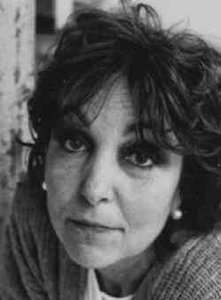
Paula Figueiroa Rego
1935 - 2022
快速概览
- Artistic Movement Or Style: Surrealism, Expressionism, Feminist Art
- Artists Or Movements Influenced By This Artist: ['National Gallery']
- Artists Who Influenced This Artist: ['Carlo Crivelli']
- Date Of Birth: 1935
- Date Of Death: 2022
- Full Name: Maria Paula Figueiroa Rego
- Nationality: Portuguese
- Notable Artworks:
- War
- Untitled (456)
- Nanny, Small Bears and Bogeyman
- Place Of Birth: Lisbon, Portugal
相关文章
马克·罗斯科25幅杰作:色彩与情感的深度之旅 | OriginalUniqueArt
探索马克·罗斯科25幅杰作,感受抽象表现主义的色彩力量与深刻情感。从经典色域绘画到无题系列,了解艺术史上的大师及其作品背后的故事。OriginalUniqueArt.com提供博物馆级高质量复制品,为您的家居装饰带来艺术灵感!立即探索完整收藏。

The Magic of Collage: How to Layer Texture and Story into Your Home Decor
Elevate your interiors with the magic of collage. Discover expert tips on layering texture, 3D elements, and personal narratives through mixed media art to create a soulful, sophisticated home decor experience.
Beyond the Brush: An Expert Guide to Mastering Mixed Media Art Techniques and Materiality
Elevate your artistic practice with our expert guide to mastering mixed media art. Discover professional techniques for layering, material integration, and creating structural depth to transform your creative vision into sophisticated, multi-dimensional masterpieces.

马蒂斯大师25幅杰作:色彩与光影的艺术传奇 | OriginalUniqueArt
探索亨利·马蒂斯25幅杰作,感受野兽派色彩的魅力!从《舞蹈》到《红色和谐》,揭秘大师背后的故事与艺术灵感。OriginalUniqueArt.com提供博物馆级高质量油画复制品,为您的家居增添奢华艺术气息。立即在线探索完整系列!

Crimson Threads of Narrative: Exploring Symbolism & Representation in Artworks Featuring the Red Dress
Explore the rich symbolism of the red dress in art history! From ancient power displays to iconic portraits like Cézanne’s 'Madame Cezanne', discover the cultural and artistic significance behind this captivating color. Expert analysis & insights.