

 实景预览
实景预览
 发送
发送 分享
分享
 详情
详情 指南
指南

 下载图片
下载图片
 相似作品
相似作品 X射线
X射线 幻灯片播放
幻灯片播放 统计数据
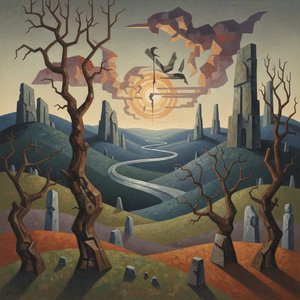
统计数据Landscape of Bleached Objects
 Acrylic On Canvas
- WallArt
- Surrealism
 1934
1934 74.0 x 62.0 cm
 奥克兰美术馆 Toi o Tāmaki
 阅读全文
阅读全文
艺术微喷/版画
博物馆级艺术微喷或帆布版画,制作高效,并提供多种饰面选择。 ( 订购此收藏品的纯手工复刻画作 切换至数字图像销售渠道)




P118B ¥10

P118H ¥10

P118W ¥10

P438Z ¥10

P508JH ¥12

P508YH ¥12

P805H ¥10

P805Z ¥10

P919BZ ¥10

P919G ¥10

P919XJ ¥10

P959ZH ¥10

P968JZ ¥12

W106C ¥8

W218G ¥10

W218JH ¥8

W218Y ¥10

W307PJ ¥10

W316G ¥10

W316PJ ¥8

W316Y ¥10

W398PJ ¥8

W4111J ¥10

W500HY ¥15

W500JH ¥15

W692G ¥12

W849H ¥8

W940BG ¥15

W953PJ ¥8




您可以从与原作比例一致的预设尺寸中进行选择。

请输入您所需的宽度和高度,以适配您的画框或墙面。由于印刷品只能进行裁剪,无法超出原图尺寸,因此若比例不一致,画面的一部分将会被裁切。在正式印刷之前,我们会为您发送一份数字效果图供您确认。本页面显示的图片并非最终裁剪后的效果——只有效果图才能展示真实的裁剪情况。


 玻璃选项仅适用于110厘米以下的尺寸。

Landscape of Bleached Objects
艺术微喷/版画
复刻品尺寸说明
-


总计金额
¥ 537
Landscape of Bleached Objects – An Exploration of Surrealist Vision
Paul Nash’s “Landscape of Bleached Objects,” completed in 1934, stands as a haunting testament to the burgeoning Surrealist movement in British art and a profound meditation on themes of mortality and transformation. Executed in oil paints on canvas measuring 74 x 62 cm, this artwork transcends mere visual representation, immersing the viewer in a dreamlike realm populated by unsettling yet undeniably beautiful forms.Historical Context & The Unit One Group
Nash’s artistic journey coincided with the formation of Unit One, a collective spearheaded by Nash himself and comprised of fellow artists like Henry Moore and Eduardo Paolozzi. This group sought to push the boundaries of British art beyond traditional landscapes, embracing experimentation with abstraction and Surrealist principles – specifically influenced by Sigmund Freud's psychoanalytic theories. The prevailing anxieties of the era—the looming shadow of impending war and a growing disillusionment with rational thought—fueled this desire for artistic innovation, prompting artists to delve into subconscious realms and explore irrational juxtapositions.Composition & Technique: A Flattened Reality
The painting’s composition is deliberately asymmetrical, guiding the eye across a grassy plane dominated by stylized skulls, shells, and amorphous shapes reminiscent of eroded rock formations. Lines are soft and blurred, eschewing linear perspective to create an atmosphere of ethereal stillness. Nash skillfully employs visible brushstrokes—a hallmark of his technique—to build up texture and imbue the canvas with palpable surface quality. The muted color palette – greens, blues, whites, and greys – reinforces this sense of desolation while subtly highlighting the sculptural forms at its core. Layers of paint create an illusion of depth, albeit one that prioritizes mood over precise spatial accuracy.Symbolism & Emotional Resonance: Decay as Beauty
The central motif—the bleached or bone-like objects—immediately evokes associations with death and decay, mirroring the cyclical nature of existence. However, Nash avoids melodrama; instead, he presents these symbols with a quiet dignity, transforming them into emblems of beauty rather than despair. The abstracted shapes – skulls, shells – are not merely depictions but representations of primal forces shaping the landscape. They speak to anxieties about loss and change, inviting contemplation on the fragility of life and the inevitability of transformation. The overall emotional impact is one of melancholic serenity—a recognition that even in ruin, there exists a profound aesthetic truth.Influence & Legacy: Surrealism's Quiet Triumph
“Landscape of Bleached Objects” exemplifies Surrealist art’s commitment to accessing the unconscious mind and disrupting conventional perceptions. It stands apart from more overtly fantastical works within the movement, prioritizing textural detail and subtle tonal shifts to convey its emotional core. Nash’s exploration of form and symbolism continues to resonate with artists today, demonstrating that Surrealism's power resided not in grand spectacle but in a profound engagement with psychological complexities—a legacy cemented by this evocative masterpiece.问答详情
Surrealism 流派的作品 "Landscape of Bleached Objects" 源自哪个国家?
《Landscape of Bleached Objects》由出生于 英国 的 保罗·纳什 在 Surrealism 运动背景下创作而成。艺术家的原籍地使这部作品与 英国 艺术家所实践的 Surrealism 风格紧密相连。
保罗·纳什 的《Landscape of Bleached Objects》 的画面方向是怎样的?
"Landscape of Bleached Objects" 的画幅格式为 Landscape。这对于规划复制品的摆放位置非常有用。
在 保罗·纳什 的《Landscape of Bleached Objects》 中,艺术流派与时代背景是如何交汇的?
"Landscape of Bleached Objects" 属于 Surrealism 流派,其创作者活跃于 现代主义 时期。
艺术家简介
早年生活与艺术启蒙
- 出生地:英国,肯辛顿 (1889年)
- 逝世:1646年
- 保罗·纳什于1889年5月11日出生于伦敦。他的父亲威廉·哈里·纳什是一位律师,而母亲卡洛琳·莫德自幼便显露出精神疾病的征兆。为了改善母亲的健康状况,全家在保罗年幼时迁往白金汉郡的艾弗希思。
- 教育背景:他曾就读于帕森斯艺术学院,随后进入著名的斯莱德美术学院深造。尽管他在风景画领域展现出了卓越的才华,但在人物素描方面却一度面临挑战。
- 早期影响:纳什的早期作品清晰地印证了威廉·布莱克与J.M.W.透纳对他深远的影响。此外,那些蕴含着古老历史痕迹的景观——如史前墓冢和铁器时代的丘陵堡垒——也成为了他创作灵感的源泉。
艺术风格与演变
- 艺术风格:保罗·精神的艺术风格将现代主义精髓与传统技法完美融合。他通过运用大胆的色彩、几何形状以及抽象形式,在同时代的艺术家中脱颖而出,形成了鲜明的个人辨识度。
- 超现实主义倾向:虽然纳什并不被严格定义为超现实主义画家,但这一运动对他产生了深刻影响,尤其是在1928年观摩了乔治·德·基里科的展览之后。他的作品开始将充满象征意义的风景与日常器物巧妙地结合在一起。
- 战争艺术:在第一次和第二次世界大战期间,纳什担任官方战地艺术家。他对战场景象的描绘以其凄美动人的意境而闻名,深刻探索了冲突对自然景观造成的冲击,代表作包括《梅宁路》。
- “空中生物”:在二战期间,他创作了一系列名为“空中生物”的作品。这些作品通过拟人化的手法描绘坠落在荒野中的飞机残骸,展现了他不断演进的艺术风格与深邃的象征主义色彩。
主要成就与艺术地位
- 英国现代主义先驱:纳什在塑造英国现代艺术的过程中扮演了至关重要的角色,他成功地搭建了一座连接传统风景画与现代主义美学的桥梁。
- 战争艺术遗产:他的战争时期绘画被视为战争对士兵身心及自然环境造成破坏的标志性象征。
- Unit One 艺术团体:1933年,他与本·尼科尔森及芭芭拉·赫普沃斯共同创立了“Unit One”小组,该团体在英国艺术界具有举足轻重的地位。
- 作家与设计师:除了绘画创作,纳什还是一位受人尊敬的艺术评论家,并涉猎广泛的应用艺术设计,包括舞台布景、纺织品及海报设计。
影响与传承
- 对后世艺术家的影响:纳什独特的风格与色彩运用,为随后几代艺术家提供了丰富的借鉴与启迪。
- 与浪漫主义的纽带:由于其作品与威廉·布莱克及J.M.W.透纳的渊源,他的艺术常被认为与英国浪漫主义传统有着深刻的内在联系。
- 对人与自然关系的探索:在纳什后期的作品中,一个反复出现的主题是通过象征性的意象来探讨人类文明与自然界之间的复杂关系。
- 持久的艺术生命力:他的绘画作品因其美学价值、象征深度及历史意义而持续受到赞誉,至今仍能引起当代观众的强烈共鸣。
展览与馆藏
- 拉斯金美术馆:纳什的作品曾在英国拉斯金美术馆展出。
- 泰特不列颠美术馆:他的杰作被永久收藏于泰特不列颠美术馆的馆藏之中。
- 帝国战争博物馆:其多件重要的战争艺术作品现存于帝国战争博物馆。
- 约克美术馆:他的艺术成就同样是约克美术馆馆藏的重要组成部分。
- 政府艺术收藏馆:纳什的一系列精选艺术品也在政府艺术收藏馆中展出。

保罗·纳什
1889 - 1946 , 英国
快速概览
- Artistic Movement Or Style: 超现实主义, 现代主义
- Artists Or Movements Influenced By This Artist: ['现代艺术家']
- Artists Who Influenced This Artist:
- 威廉·布莱克
- J.M.W. 透纳
- 沃尔夫冈·莱特尔
- Date Of Birth: 1889年5月11日
- Date Of Death: 1946年7月11日
- Full Name: 保罗·纳什
- Nationality: 英国
- Notable Artworks: ['梅宁路']
- Place Of Birth: 英国,肯辛顿
相关文章

Kandinsky's Masterpieces: 25 Paintings That Define Abstract Art | OriginalUniqueArt
Journey through Wassily Kandinsky's 25 most iconic abstract paintings. Explore his revolutionary use of color, form & spiritual expressionism. Find museum-quality Kandinsky reproductions and elevate your home decor with OriginalUniqueArt.com. Discover all masterpieces on OriginalUniqueArt.com!
Paul Nash: Modernism, Myth & the British Landscape – A Visionary Artist
Explore the evocative landscapes & poignant war art of Paul Nash (1889-1946), a key figure in British Modernism. Discover his unique style and lasting impact on art history with OriginalUniqueArt.

几何抽象艺术十大杰作:定义现代家居装饰的经典之作
探索几何抽象艺术的十大杰作!康定斯基、蒙德里安等大师作品,色彩构成与非具象之美。OriginalUniqueArt.com提供博物馆级艺术复制品,为您的家居带来现代艺术灵感。立即在线探索完整系列!

保罗·塞尚:25幅大师杰作,重塑现代艺术与家居美学 | OriginalUniqueArt
探索保罗·塞尚25幅经典杰作!深入了解后印象派大师的艺术生涯、独特技法与色彩运用。OriginalUniqueArt提供高清油画复制品,为您的家居带来博物馆级艺术体验。立即发现更多名画,点亮生活空间!
保罗·克利25幅杰作:色彩与形式的艺术之旅 | OriginalUniqueArt
探索保罗·克利25幅杰作,领略抽象艺术的魅力!深入了解克利作品背后的故事、色彩构成与艺术灵感。OriginalUniqueArt.com提供高清油画复制品,为您的家居装饰增添艺术气息。立即在线探索完整系列!