
 实景预览
实景预览
 分享
分享 分享
分享
 详情
详情 指南
指南

 下载作品
下载作品
 相似作品
相似作品 X射线
X射线 幻灯片播放
幻灯片播放 问答
问答 统计数据
统计数据Eclipse of the Sunflower

- 71.0 x 91.0 cm


 展开全文
展开全文
艺术微喷/版画
博物馆级艺术微喷或帆布版画,制作高效,并提供多种饰面选择。 ( 订购纯手工绘制画作 切换至数字图像销售渠道)




P118B ¥10

P118H ¥10

P118W ¥10

P438Z ¥10

P508JH ¥12

P508YH ¥12

P805H ¥10

P805Z ¥10

P919BZ ¥10

P919G ¥10

P919XJ ¥10

P959ZH ¥10

P968JZ ¥12

W106C ¥8

W218G ¥10

W218JH ¥8

W218Y ¥10

W307PJ ¥10

W316G ¥10

W316PJ ¥8

W316Y ¥10

W398PJ ¥8

W4111J ¥10

W500HY ¥15

W500JH ¥15

W692G ¥12

W849H ¥8

W940BG ¥15

W953PJ ¥8




您可以从与原作比例一致的预设尺寸中进行选择。

请输入您所需的宽度和高度,以适配您的画框或墙面。由于印刷品只能进行裁剪,无法超出原图尺寸,因此若比例不一致,画面的一部分将会被裁切。在正式印刷之前,我们会为您发送一份数字效果图供您确认。本页面显示的图片并非最终裁剪后的效果——只有效果图才能展示真实的裁剪情况。


 玻璃选项仅适用于110厘米以下的尺寸。

Eclipse of the Sunflower
艺术微喷/版画
复刻品尺寸
-


最终结算价
¥ 544
A Poignant Meditation on Decay and Renewal
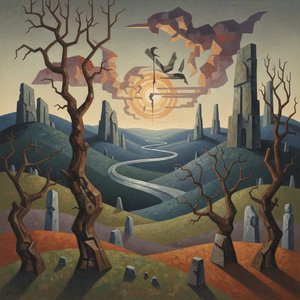
In the twilight of his prolific career, Paul Nash captured a moment of profound existential tension in Eclipse of the Sunflower. Created in 1945, as the shadows of World War II began to recede but left behind a landscape of deep uncertainty, this masterpiece serves as more than just a botanical study; it is a visceral meditation on the cyclical nature of life and death. The painting presents a solitary sunflower, its once-vibrant petals now drooping and withered, caught in the chilling embrace of an encroaching darkness. As an eclipse obscures the sun, Nash masterfully orchestrates a scene where light is being swallowed by shadow, inviting the viewer to contemplate the fragile boundary between vitality and dissolution.
The composition is striking in its starkness, utilizing a dark, almost monochrome background that pushes the subject toward the foreground with haunting intensity. Within this somber expanse, Nash introduces subtle, unexpected elements—two birds positioned like silent witnesses to the unfolding drama—which add a layer of narrative depth to the stillness. For the discerning collector or interior designer, this piece offers a sophisticated focal point that commands attention through its quiet power rather than through loud, clashing colors. It is a work that breathes with a heavy, atmospheric soul, making it an ideal centerpiece for spaces designed for reflection and intellectual engagement.
Modernist Mastery and Symbolic Depth
Technically, Eclipse of the Sunflower showcases Nash’s ability to blend the geometric precision of Modernism with the dreamlike qualities of Surrealism. His approach eschews the meticulous, photographic realism of traditional landscapes in favor of bold, simplified forms and expressive tonal variations. The way the light fades from the sunflower's face is rendered with a delicate touch, likely utilizing the nuanced textures of his medium to create a sense of tactile decay. This technique allows the viewer to feel the weight of the wilting petals and the coldness of the eclipsed sky, transforming a simple natural event into a profound symbolic gesture.
The symbolism embedded within the work is deeply resonant with the historical context of its creation. Emerging from the devastation of global conflict, Nash’s imagery speaks to a collective psyche grappling with loss and the hope for rebirth. The sunflower, traditionally a symbol of adoration and solar energy, is here transformed into a vessel for mourning, yet the very presence of the eclipse suggests a temporary state—a darkness that must eventually give way to a new dawn. This duality makes the painting an incredibly versatile choice for high-end decor; it possesses a melancholic beauty that can anchor a room with gravity, while its underlying themes of resilience offer a subtle, uplifting promise of renewal.
For those seeking to integrate fine art into their personal or professional environments, a high-quality reproduction of this work provides an opportunity to possess a piece of British art history. Whether placed in a contemporary gallery-style living room or a classic study, Eclipse of the Sunflower brings with it an aura of prestige and a deep, emotive resonance that transcends mere decoration.
常见问题与解答
"Eclipse of the Sunflower" 使用了怎样的色彩搭配?
"Eclipse of the Sunflower" 的色彩构成了一个 Earthy 色调。此分类描述了作品中的主导色系。
保罗·纳什 的《Eclipse of the Sunflower》 的亮度是多少?
保罗·纳什 的《Eclipse of the Sunflower》 的记录亮度为 Soft Shadow。
“Eclipse of the Sunflower”是否一直留在其艺术家的故乡?
是的——该作品目前存放于艺术家的原籍国。保罗·纳什的出生国是英国,而收藏有《Eclipse of the Sunflower》原件的博物馆则位于英国。
艺术家简介
早年生活与艺术启蒙
- 出生地:英国,肯辛顿 (1889年)
- 逝世:1646年
- 保罗·纳什于1889年5月11日出生于伦敦。他的父亲威廉·哈里·纳什是一位律师,而母亲卡洛琳·莫德自幼便显露出精神疾病的征兆。为了改善母亲的健康状况,全家在保罗年幼时迁往白金汉郡的艾弗希思。
- 教育背景:他曾就读于帕森斯艺术学院,随后进入著名的斯莱德美术学院深造。尽管他在风景画领域展现出了卓越的才华,但在人物素描方面却一度面临挑战。
- 早期影响:纳什的早期作品清晰地印证了威廉·布莱克与J.M.W.透纳对他深远的影响。此外,那些蕴含着古老历史痕迹的景观——如史前墓冢和铁器时代的丘陵堡垒——也成为了他创作灵感的源泉。
艺术风格与演变
- 艺术风格:保罗·精神的艺术风格将现代主义精髓与传统技法完美融合。他通过运用大胆的色彩、几何形状以及抽象形式,在同时代的艺术家中脱颖而出,形成了鲜明的个人辨识度。
- 超现实主义倾向:虽然纳什并不被严格定义为超现实主义画家,但这一运动对他产生了深刻影响,尤其是在1928年观摩了乔治·德·基里科的展览之后。他的作品开始将充满象征意义的风景与日常器物巧妙地结合在一起。
- 战争艺术:在第一次和第二次世界大战期间,纳什担任官方战地艺术家。他对战场景象的描绘以其凄美动人的意境而闻名,深刻探索了冲突对自然景观造成的冲击,代表作包括《梅宁路》。
- “空中生物”:在二战期间,他创作了一系列名为“空中生物”的作品。这些作品通过拟人化的手法描绘坠落在荒野中的飞机残骸,展现了他不断演进的艺术风格与深邃的象征主义色彩。
主要成就与艺术地位
- 英国现代主义先驱:纳什在塑造英国现代艺术的过程中扮演了至关重要的角色,他成功地搭建了一座连接传统风景画与现代主义美学的桥梁。
- 战争艺术遗产:他的战争时期绘画被视为战争对士兵身心及自然环境造成破坏的标志性象征。
- Unit One 艺术团体:1933年,他与本·尼科尔森及芭芭拉·赫普沃斯共同创立了“Unit One”小组,该团体在英国艺术界具有举足轻重的地位。
- 作家与设计师:除了绘画创作,纳什还是一位受人尊敬的艺术评论家,并涉猎广泛的应用艺术设计,包括舞台布景、纺织品及海报设计。
影响与传承
- 对后世艺术家的影响:纳什独特的风格与色彩运用,为随后几代艺术家提供了丰富的借鉴与启迪。
- 与浪漫主义的纽带:由于其作品与威廉·布莱克及J.M.W.透纳的渊源,他的艺术常被认为与英国浪漫主义传统有着深刻的内在联系。
- 对人与自然关系的探索:在纳什后期的作品中,一个反复出现的主题是通过象征性的意象来探讨人类文明与自然界之间的复杂关系。
- 持久的艺术生命力:他的绘画作品因其美学价值、象征深度及历史意义而持续受到赞誉,至今仍能引起当代观众的强烈共鸣。
展览与馆藏
- 拉斯金美术馆:纳什的作品曾在英国拉斯金美术馆展出。
- 泰特不列颠美术馆:他的杰作被永久收藏于泰特不列颠美术馆的馆藏之中。
- 帝国战争博物馆:其多件重要的战争艺术作品现存于帝国战争博物馆。
- 约克美术馆:他的艺术成就同样是约克美术馆馆藏的重要组成部分。
- 政府艺术收藏馆:纳什的一系列精选艺术品也在政府艺术收藏馆中展出。

保罗·纳什
1889 - 1946 , 英国
艺术家简介
- Artistic Movement Or Style: 超现实主义, 现代主义
- Artists Or Movements Influenced By This Artist: ['现代艺术家']
- Artists Who Influenced This Artist:
- 威廉·布莱克
- J.M.W. 透纳
- 沃尔夫冈·莱特尔
- Date Of Birth: 1889年5月11日
- Date Of Death: 1946年7月11日
- Full Name: 保罗·纳什
- Nationality: 英国
- Notable Artworks: ['梅宁路']
- Place Of Birth: 英国,肯辛顿
相关文章

Ephemeral Visions: Exploring the Artistic Legacy & Contemporary Practice of Watercolor Painting
Explore the captivating world of watercolor painting! Discover its rich history, essential techniques, influential artists & collecting tips. A comprehensive guide for art enthusiasts from OriginalUniqueArt.

保罗·塞尚:25幅大师杰作,重塑现代艺术与家居美学 | OriginalUniqueArt
探索保罗·塞尚25幅经典杰作!深入了解后印象派大师的艺术生涯、独特技法与色彩运用。OriginalUniqueArt提供高清油画复制品,为您的家居带来博物馆级艺术体验。立即发现更多名画,点亮生活空间!
Paul Nash: Modernism, Myth & the British Landscape – A Visionary Artist
Explore the evocative landscapes & poignant war art of Paul Nash (1889-1946), a key figure in British Modernism. Discover his unique style and lasting impact on art history with OriginalUniqueArt.

保罗·克利25幅杰作:色彩与形式的艺术之旅 | OriginalUniqueArt
探索保罗·克利25幅杰作,领略抽象艺术的魅力!深入了解克利作品背后的故事、色彩构成与艺术灵感。OriginalUniqueArt.com提供高清油画复制品,为您的家居装饰增添艺术气息。立即在线探索完整系列!

Watercolor Wonders: 10 Masterpieces That Redefined Art History | OriginalUniqueArt
Journey through 10 legendary watercolor masterpieces by Sargent, Turner & Homer! Explore iconic landscapes, portraits & floral art that redefined history. Find museum-quality reproductions and curated decor ideas at OriginalUniqueArt.com.