

 效果预览
效果预览
 购买手绘画作
 分享
分享 分享
分享
 详情
详情

 下载
下载
 相似作品
相似作品 X射线
X射线 幻灯片播放
幻灯片播放Rose Garden


 展开详情
展开详情




































从与原作比例一致的预设尺寸中进行选择。

您可以输入自定义尺寸,以适配特定的画框或空间。如果您选择的尺寸与原图比例不符,我们将对作品进行裁剪,或通过镜像填充/纯色填充边缘的方式来扩展图像。在开始制作之前,我们会向您发送一份数字效果图供您确认。
请注意,屏幕上的预览并不能反映实际的裁剪或扩展效果。只有效果图才能准确展示最终的构图。
虽然我们提供定制尺寸,但为了保持原图比例,我们建议您从预设列表中选择尺寸。


 玻璃选项仅适用于110厘米以下的尺寸。

Rose Garden
艺术微喷/版画
复制品尺寸
-


最终总价
$ 80
A Symphony of Geometric Harmony
In the quiet corners of the Lenbachhaus in Munich, Paul Klee’s “Rose Garden” (1920) awaits, offering a visual experience that transcends the boundaries of mere painting. To gaze upon this masterpiece is to step into a world where the organic and the architectural dance in perfect, rhythmic unison. Created during a pivotal moment in Klee's life—shortly after his service in the First World War and around the time he joined the legendary Bauhaus faculty—the work serves as a profound exploration of form and color. It is not simply a depiction of flora, but a carefully constructed symphony where every triangle and rectangle acts as a musical note, building toward a crescendo of visual delight.
The painting immediately captivates with its vibrant, warm palette. A sea of reds, oranges, and soft pinks dominates the canvas, creating an atmosphere that feels both sun-drenched and intimately tender. Yet, Klee masterfully interweaves these warmth-driven tones with cooler purples, whites, and subtle greys, preventing the composition from becoming overwhelming. This delicate balance of temperature creates a sense of depth and movement, as if the garden itself is breathing through the layers of color.
The Architecture of Nature
Klee’s technique in “Rose Garden” defies the conventional perspective we often expect from landscape art. Instead of a literal representation of a garden, he presents a fractured, Cubist-inspired landscape composed of geometric shapes. Sharp-edged rectangles and triangles overlap and intersect, creating a structural complexity that suggests both a map-like cityscape and a lush, botanical arrangement. This interplay between the rigid and the fluid is where the true magic of the piece resides; while the sharp lines provide an architectural skeleton, the soft, circular motifs—resembling the roses themselves—soften the edges, injecting a sense of organic spontaneity into the geometric grid.
The artist likely employed a rich mixed-media approach, utilizing oil, watercolor, and perhaps even pencil on paper or cardboard. This layering technique lends the surface a tactile, textured quality that invites closer inspection. For the discerning collector or interior designer, this texture provides a sophisticated depth that allows the artwork to transform depending on the lighting of a room. The way the colors appear in distinct, unblended patches enhances the decorative, almost mosaic-like effect, making it an ideal centerpiece for spaces that value modern abstraction and rhythmic design.
Symbolism and Emotional Resonance
Beyond its formal brilliance, “Rose Garden” resonates with a deep, symbolic soul. Klee, a trained violinist, often approached his canvases as if composing music, and one can hear the melody in the way the shapes are arranged. The roses, scattered like bright blossoms across a structured terrain, serve as symbols of eternal presence and beauty amidst the chaos of life. There is a whimsical, almost playful energy to the work, yet it carries an underlying layer of contemplative stillness. It captures that fleeting moment where nature’s wildness meets human order.
For those seeking to bring a piece of art history into their personal sanctuary, this reproduction offers more than just aesthetic beauty; it offers an emotional anchor. Whether placed in a contemporary minimalist setting or a classic, richly textured study, “Rose Garden” provides a window into the visionary mind of Paul Klee. It is a testament to the power of abstraction to capture the very essence of life—not through what we see with our eyes, but through what we feel within our hearts.
艺术家简介
色彩与形式的生命:保罗·克莱
保罗·克莱,一个与玩味抽象和深刻情感深度紧密相连的名字,在二十世纪艺术的天地中占据着独一无二的位置。1879年12月18日出生于瑞士뮌헨부흐제(Münchenbuchsee),他的艺术之旅是一段不断探索的旅程,无视于容易归类的限制,开创了一条融合了表现主义、立体主义和超现实主义影响的独特视觉语言。克莱的成长培养了他对艺术的早期欣赏;他的父亲,一位德国音乐教师,而母亲,一位瑞士歌手,在他心中灌输了一种对听觉和视觉和谐的敏感性。这种基础性的音乐与绘画之间的联系将成为他作品的定义特征,不仅塑造了他的构图方法,也塑造了他对艺术作为一种抽象表达形式的理论理解,类似于音乐编排。最初被素描吸引,克莱很快放弃了对现实主义表现的追求,认识到它的局限性在于无法传达他所寻求表达的内在情感和思想的世界。他在1898年至1901年间慕尼黑艺术学院学习,这是一个充满实验和发展其独特艺术声音的时期。艺术视角的塑造
克莱早期的作品反映了新艺术运动和象征主义的影响,然而即使在这些框架内,他未来风格的暗示也开始显现。他在1914年的一次旅程对他的艺术发展具有关键意义。北非强烈的光线和充满活力的氛围深刻地影响了他的色彩运用,激励他超越柔和色调,转向更鲜艳、更具表现力的调色板。这一经历标志着一个转折点,巩固了他将抽象作为捕捉感知本质而非仅仅复制其表面外观的一种手段的承诺。他不仅仅*看到*突尼斯;他正在将它的情感共鸣转化为视觉形式。在整个这段时期,克莱与各种艺术运动互动,吸收了它们的原则,同时又抵制完全遵守任何单一意识形态。他对音乐的兴趣仍然至关重要,他经常谈论绘画作为一种类似于创作音乐作品的过程——精心安排元素以创造和谐的整体。这种共感觉到的方法体现在他的线条的节奏感、色彩微妙的平衡以及许多作品中普遍存在的运动感中。包豪斯及其他:蓬勃发展的时期
从1931年到1933年,克莱接受了德国艺术、设计和建筑学院(Bauhaus)的教职,与瓦西里·康定斯基并肩工作。这段时期对他艺术的发展来说是极具成效的。在创新思想家和艺术家们的包围中,他在一个鼓励实验和理论探究的环境中蓬勃发展。在他这些年的作品深入研究了色彩理论和形式关系,探索了抽象形式与情感表达之间的相互作用。然而,随着纳粹主义在德国的兴起,这个富有创造力的天堂被打破了。1933年,由于他的艺术被纳粹政权视为“堕落”,克莱被解雇出包豪斯。被迫返回瑞士,他继续绘画,但由于日益加剧的政治动荡和个人困境,他的健康状况恶化。尽管面临这些挑战,克莱仍然致力于他的艺术愿景,创作了反映时代焦虑和他对艺术超越逆境力量坚定信念的作品。《哈马默特》、《兄弟姐妹》和《在六个阈值中》仅仅是几个例子,展示了他对色彩和形式的掌握。1940年6月29日,克莱在瑞士穆拉托(Muralto)去世,留下了一份遗产,这份遗产继续激励着艺术家并吸引着世界各地的观众。他理应被认为是二十世纪最重要的艺术人物之一,弥合了具象和抽象表现之间的鸿沟,巩固了他作为一位标志性创新者的地位,他的作品至今仍具有永恒的相关性。主题、风格与持久的遗产
保罗·克莱的作品以一种引人入胜的趣味性和深刻沉思感的迷人融合为特征。他经常采用童般的形象和异想天开的构图,并赋予它们多层次的象征意义。他的艺术中反复出现的主题包括花园、风景、肖像和抽象排列——每种都作为探索人类经验复杂性的载体。在他去世后出版的《保罗·克莱笔记本》为学者提供了对其广泛理论调查色彩和设计的宝贵见解,揭示了一种对艺术创作采取一丝不苟和智力化的方法。他不仅仅是在绘画;他正在构建一种基于和谐、平衡和情感共鸣原则的视觉语言。博物馆与进一步探索
- Zentrum Paul Klee (伯尔尼): 拥有克莱作品最多的地方,提供了对艺术家艺术之旅的全面概述。
- 伯尔尼美术馆: 除了毕加索和霍德勒等大师的作品外,还展示了克莱的重要作品。
- 伯尔尼艺术博物馆: 瑞士最古老的艺术博物馆之一,收藏了包括克莱和其他现代大师的作品。

克莱
1879 - 1940 , 瑞士
艺术家简介
- Artistic Movement Or Style: 表现主义、立体主义、超现实主义
- Artists Or Movements Influenced By This Artist: ['现代艺术']
- Artists Who Influenced This Artist: ['瓦西里·康定斯基']
- Date Of Birth: 1879年12月18日
- Date Of Death: 1940年6月29日
- Full Name: 保罗·克利
- Nationality: 瑞士-德国
- Notable Artworks:
- 哈马默特
- 兄弟
- 在六个阈值中
- Place Of Birth: 瑞士慕夏堡
相关文章

几何抽象艺术十大杰作:定义现代家居装饰的经典之作
探索几何抽象艺术的十大杰作!康定斯基、蒙德里安等大师作品,色彩构成与非具象之美。OriginalUniqueArt.com提供博物馆级艺术复制品,为您的家居带来现代艺术灵感。立即在线探索完整系列!

Kandinsky's Masterpieces: 25 Paintings That Define Abstract Art | OriginalUniqueArt
Journey through Wassily Kandinsky's 25 most iconic abstract paintings. Explore his revolutionary use of color, form & spiritual expressionism. Find museum-quality Kandinsky reproductions and elevate your home decor with OriginalUniqueArt.com. Discover all masterpieces on OriginalUniqueArt.com!

Neo-Abstract Art: The High-Impact Evolution of Modern Visual Energy and Geometric Sophistication
Discover the power of Neo-Abstract art. Explore how bold geometric forms and high-impact visual energy are redefining modern design. Learn to curate sophisticated, high-energy spaces with the latest trends in contemporary abstraction and structural color.
Blush & Brilliance: 10 Iconic Paintings Dominated by Light Pink Tones |
Explore 10 iconic paintings bathed in captivating light pink tones! From Monet's Impressionism to Renoir’s romance, discover the stories behind these blush-hued masterpieces. Find museum-quality art reproductions & decor inspiration at .
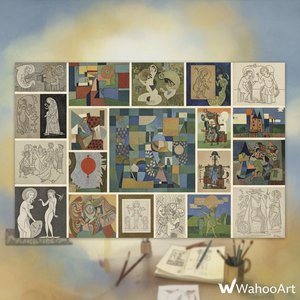
保罗·克利25幅杰作:色彩与形式的艺术之旅 | OriginalUniqueArt
探索保罗·克利25幅杰作,领略抽象艺术的魅力!深入了解克利作品背后的故事、色彩构成与艺术灵感。OriginalUniqueArt.com提供高清油画复制品,为您的家居装饰增添艺术气息。立即在线探索完整系列!



