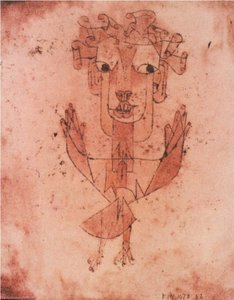
油画原件
 关于 Reconstructing 的详情







































 对于任何边长超过 105 厘米(约 41 英寸)的艺术品或复制品,画框将以拆解后的组件形式发货。此方法可确保安全送达并防止运输过程中的损坏。


Reconstructing: A Journey into Paul Klee’s Figurative Expressionism
- Subject and Composition: Paul Klee's “Reconstructing” (1926) presents an intriguing, abstracted landscape or architectural scene. The composition eschews a traditional focal point, inviting the viewer to explore a network of geometric shapes and linear elements arranged across a warm-toned background. These forms suggest fragmented buildings, stairs, or windows, creating a sense of rebuilding or recalling memories.
- Style and Technique: This artwork is a prime example of Figurative Expressionism, a movement that emerged as a reaction against the more conceptual art trends of the time. Klee masterfully employs watercolor or a similar translucent medium, layering colors to create depth and texture. The rough handling of materials adds an emotional intensity characteristic of the style. His unique blend of expressionism, cubism, and surrealism is evident in the painting’s dreamlike quality.
The Rise of Figurative Expressionism
- Historical Context: Figurative Expressionism arose in the late 1970s, drawing inspiration from earlier German Expressionists like Emil Nolde and Ernst Ludwig Kirchner. It marked a return to recognizable objects – particularly the human form – portrayed with intense emotion. This movement was seen as a revival of self-expression in European art after periods dominated by American artistic trends.
- Neo-Expressionism & Beyond: The style evolved into various regional manifestations, including Transavanguardia in Italy and Neue Wilden in Germany. While initially celebrated for its return to figuration and emotional depth, Neo-Expressionism also faced criticism regarding its relationship with the art market and perceived lack of radical innovation.
- Klee’s Place within the Movement: Paul Klee's work stands out due to his intellectual approach and unique color theory. He wasn’t simply expressing raw emotion; he was exploring the underlying structures of form and design, as evidenced in his influential “Writings on Form and Design Theory.”
Symbolism and Emotional Impact
- Decoding the Forms: The shapes within "Reconstructing" are not merely abstract; they carry symbolic weight. The architectural fragments suggest a process of rebuilding, perhaps representing personal or collective memory. The circular forms may symbolize wholeness or cycles of renewal.
- Color and Mood: Klee’s use of warm colors – yellows, oranges, and reds – evokes feelings of warmth and nostalgia, while the muted tones create a sense of tranquility. The overall effect is one of gentle contemplation rather than dramatic upheaval.
- Experiencing the Artwork: “Reconstructing” invites viewers to engage with their own interpretations and emotions. It’s a work that rewards close observation and encourages reflection on themes of memory, loss, and renewal.
常见问题与解答
Reconstructing是手绘的还是印刷的?
手工绘制:由专业画家在亚麻画布上,以油画形式临摹 Reconstructing。
Reconstructing 我该选择什么尺寸?
原作尺寸为 36 x 39 cm。 尺寸从 30.8 x 32.4 cm (¥1464) 到 233.7 x 245.7 cm (¥15539) 不等;本页表格列出了主要步骤及其价格。
物流配送需要多长时间?
送货时间为 4 至 5 周,并提供全球免费快递服务;本页面还提供加急制作选项。您可以在 100 天内无条件退货并获得全额退款。
保羅·克利 在创作《Reconstructing》时使用了什么媒介?
布面油画
 实景预览

 分享
 分享
 详情
 作品详情表


 下载作品
 相似作品
 X射线
 幻灯片播放
 问答

 统计数据