

 效果预览
效果预览
 购买印刷品
购买印刷品 分享
分享 分享
分享
 详情
详情

 下载
下载
 相似作品
相似作品 X射线
X射线 幻灯片播放
幻灯片播放LA FERME


 展开详情
展开详情




P118B $10

P118H $10

P118W $10

P438Z $10

P508JH $12

P508YH $12

P805H $10

P805Z $10

P919BZ $10

P919G $10

P919XJ $10

P959ZH $10

P968JZ $12

W106C $8

W218G $10

W218JH $8

W218Y $10

W307PJ $10

W316G $10

W316PJ $8

W316Y $10

W398PJ $8

W4111J $10

W500HY $15

W500JH $15

W692G $12

W849H $8

W940BG $15

W953PJ $8




从与原作比例一致的预设尺寸中进行选择。

您可以输入自定义尺寸,以适配特定的画框或空间。如果所选尺寸与原图比例不符,我们将通过裁剪作品或添加手绘元素来扩展画面。数字样稿将在制作开始前发送给您确认。
请注意,屏幕预览无法准确反映实际的裁剪或扩展效果,只有样稿才能真实呈现最终的构图。
虽然我们提供定制尺寸服务,但为了保留原作比例,建议您从预设列表中选择尺寸。
下单后,OriginalUniqueArt.com 团队将通过电子邮件联系客户获取具体要求,并提供效果预览图。


 玻璃选项仅适用于110厘米以下的尺寸。

LA FERME
复制材质
复制品尺寸
-


最终总价
$ 300
作品详情
A Rustic Symphony: Paul Huet’s “La Ferme”
Paul Huet's "La Ferme," painted in 1856, isn’t merely a depiction of a rural landscape; it’s an immersion into the quiet dignity and profound connection between humanity and nature. This oil on canvas, now housed within the Louvre Museum, captures a fleeting moment in the French countryside – a solitary figure traversing a winding path towards distant, hazy mountains. Huet, a pivotal yet often understated figure of the Barbizon School and a significant influence on the nascent Impressionists, masterfully employed light, color, and texture to evoke not just what he saw, but how it *felt* to be present in that space.
The painting’s strength lies in its deliberate rejection of academic formality. Huet, deeply influenced by the English landscape painters like Constable and Turner, moved away from the rigid structures and idealized forms prevalent in earlier French art. Instead, he embraced a more direct observation of nature, prioritizing atmospheric perspective and the subtle shifts in light and shadow. This commitment to truthfulness is immediately apparent; the scene feels utterly authentic, as if captured during a spontaneous moment of contemplation.
Composition and Color – A Dance of Earth Tones
The composition of “La Ferme” is remarkably balanced, guiding the viewer’s eye along the meandering path that dominates the foreground. The solitary figure, positioned slightly off-center, acts as an anchor, drawing us into the scene's quiet drama. To the right, a modest farmhouse – likely a symbol of rural life and sustenance – provides a grounding element, partially obscured by the lush vegetation. The distant mountains, rendered in delicate blues and purples, create a sense of depth and vastness, while the trees and shrubs in the midground offer a tactile richness.
Huet’s color palette is deliberately restrained, dominated by earthy tones – browns, greens, ochres, and muted yellows. These colors aren't vibrant or saturated; rather, they are subtly blended to create a sense of atmospheric depth and realism. The diffused lighting, characteristic of the Barbizon School, further enhances this effect, softening edges and lending an air of tranquility to the scene. Notice how the light catches on the foliage, creating subtle variations in tone that suggest texture and volume.
Technique and Texture – A Painterly Approach
Huet’s technique is distinctly painterly, characterized by visible brushstrokes and a layered approach to application. He didn't strive for smooth, blended surfaces; instead, he embraced the materiality of paint itself, allowing the individual strokes to contribute to the overall image. This creates a sense of immediacy and spontaneity, as if the painting were created in a single, uninterrupted session. The texture is particularly evident in the depiction of the trees – rough bark, uneven branches, and the suggestion of foliage all contribute to a remarkably tactile quality.
The use of atmospheric perspective—the gradual fading of detail and color with distance—is expertly executed. The mountains in the background appear paler and less distinct than those closer to the viewer, creating an illusion of depth and space. This technique, borrowed from the Old Masters, is crucial to the painting’s overall effect, lending it a sense of realism and grandeur.
Symbolism and Emotional Resonance
“La Ferme” transcends a simple landscape depiction; it carries profound symbolic weight. The solitary figure represents humanity's connection to nature, a theme central to Romantic art. The path itself can be interpreted as a journey – both literal and metaphorical – suggesting a search for meaning or perhaps simply the quiet pleasure of being present in the natural world. The farmhouse symbolizes stability and community, while the distant mountains evoke a sense of aspiration and possibility.
Ultimately, “La Ferme” is a painting that invites contemplation. It’s a reminder of the beauty and serenity to be found in the simple things – the warmth of the sun, the scent of the earth, and the quiet dignity of rural life. Huet's masterful use of light, color, and texture creates an emotional resonance that lingers long after the viewer has turned away, offering a glimpse into a timeless connection between humanity and the natural world.
艺术家简介
保罗·于埃:浪漫主义风景画的先驱
保罗·于埃(Paul Huet,1803-1869)是19世纪法国艺术史上一位关键却往往被低估的人物。作为一名风景画家,他不仅深刻影响了巴比松画派,也为初生的印象派铺平了道路。于埃出生于艺术氛围蓬勃发展的巴黎,他的艺术生涯是一场关于无尽观察、与自然深度联结以及对当时盛行的新古典主义潮流进行自觉拒绝的旅程。他的作品绝非仅仅是对风景的描摹,而是一种对光影本质、大气氤氲以及自然界转瞬即逝之美的捕捉尝试;正是这种追求,奠定了他作为法国绘画重要创新者的地位。早期影响与艺术训练
于埃的艺术成长始于对传统技法的扎实掌握。他最初师从大卫的前学生让-朱利安·德尔蒂尔(Jean-Julien Deltil),随后在巴黎美术学院师承皮埃尔·盖兰(Pierre Guérin)和安托万-让·格罗(Antoine-Jean Gros)。至关重要的是,他在格罗的工作室里与理查德·帕克斯·博宁顿(Richard Parkes Bonington)相遇,这段邂逅成为了他艺术生命的转折点。博宁顿那种直接面对自然的“外光派”绘画方式深深吸引了于埃,促使他抛弃了新古典主义僵化的形式感,转向一种更加自发且注重观察的风格。1824年沙龙展出的英国风景画对他而言无异于一场启示;约翰·康斯特布尔(John Constable)那种无需依赖阴暗色调或人工雕琢,便能呈现清新与葱郁之美的能力,在于埃心中激起了强烈共鸣,并塑造了他的艺术哲学。他曾有一句名言,将康斯特布尔的作品描述为:“这或许是人们第一次感受到那份清新,第一次看到如此繁茂、翠绿的自然,而没有丝毫的阴暗、粗糙或矫揉造作。”巴比松风格与荷兰大师
于埃的艺术风格是在多种影响力的迷人融合中演进的。起初,他模仿博宁顿的水彩技法,但他的艺术感悟远不止于简单的临摹。他从雅各布·范·雷伊斯达尔(Jacob van Ruysdael)和梅恩特·霍比马(Meindert Hobbema)等荷兰大师的大气风景画中汲取灵感,尤其是学习他们利用光影与色彩来传达情绪与氛围的高超手段。这种对古典大师的崇敬渗透进他的创作手法,使他的画作拥有一种宁静的尊严感和非凡的写实感——这种写实并非照相式的机械记录,而是一种深切的情感体验。这一时期的作品呈现出一种对学院派传统的自觉背离,他更偏爱松散的笔触、鲜艳的色彩,以及对捕捉自然瞬时印象的极致追求。沙龙认可与政治参与
于埃的艺术生涯在1827年首度亮相沙龙时开始崭露头角,当时他提交的八幅作品中有一幅获得了展出资格。在随后的19世纪30至40年代,他持续在沙龙展出,名声在评论家与收藏家之间稳步提升。他的好友、艺术家于埃热纳·德拉克罗瓦(Eugène Delacroix)敏锐地察觉到了他作品的独特品质并为其鼎力支持。然而,评论家艾蒂安-让·德莱吕兹(Étienne-Jean Delécluze)则持有更为严苛的观点,认为于埃过于沉溺于康斯特布尔和透纳的风格,有时甚至忽略了基本的构图原则。除了艺术追求,于埃还是1830年七月革命的积极参与者,随后投身共和派政治,这反映了当时法国动荡的社会与政治气候。他对理想的执着也为他赢得了荣誉:路易-菲利普国王曾于1844年赏赐他一对塞夫勒瓷瓶,他在1848年的沙龙上也荣获了金牌。艺术遗产与历史意义
保罗·于埃对法国风景画的影响是深远且巨大的。他在水彩画上的创新应用——不仅将其作为素描工具,更将其作为完成作品的主要媒介——证明了这种媒介能够达到令人惊叹的深度与厚度,其质感往往足以媲美油画。他是“外光派”绘画的早期实践者,比起在画室闭门造车,他更优先选择对自然的直接观察。更为重要的是,于埃对捕捉光影流转与大气变幻的强调,深刻地影响了巴比索画派以及后来的印象派画家。像泰奥多·卢梭(Théodore Rousseau)和让-弗朗索瓦·米勒(Jean-François Millet)这样致力于直接面对自然、聚焦乡村生活与风景的艺术家,都应当归功于于埃的开拓性贡献。他的作品是观察力的见证,是简约之美的颂歌,更是捕捉自然界灵魂永恒魅力的艺术丰碑。1869年,他逝世于巴黎,留下了大量充满感染力的杰作,至今仍以其动人的氛围与对自然的深情联结,令每一位观者为之倾倒。
保罗·于埃
1803 - 1869 , 法国
艺术家简介
- Artistic Movement Or Style: 浪漫主义风景画
- Artists Or Movements Influenced By This Artist:
- 巴比松学派
- 印象派
- Artists Who Influenced This Artist:
- 伦勃朗
- 约翰·康斯特勃
- 欧仁·德拉克罗瓦
- Date Of Birth: 1803-10-03
- Date Of Death: 1869-01-08
- Full Name: 保罗·于埃
- Nationality: 法国
- Notable Artworks:
- 罗马附近的别墅
- 傍晚的效果
- 林间小塘
- Place Of Birth: 法国巴黎
相关文章

保罗·塞尚:25幅大师杰作,重塑现代艺术与家居美学 | OriginalUniqueArt
探索保罗·塞尚25幅经典杰作!深入了解后印象派大师的艺术生涯、独特技法与色彩运用。OriginalUniqueArt提供高清油画复制品,为您的家居带来博物馆级艺术体验。立即发现更多名画,点亮生活空间!
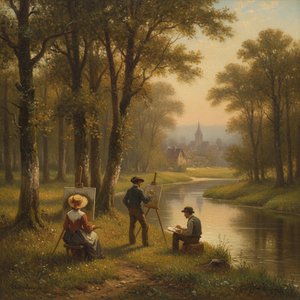
The Barbizon School: The Revolution of Naturalism and the Birth of Plein Air Landscape Painting
Explore the profound impact of the Barbizon School on landscape painting. Discover how masters like Rousseau and Corot revolutionized art through plein air naturalism, moving from academic idealism to the authentic beauty of the French countryside.
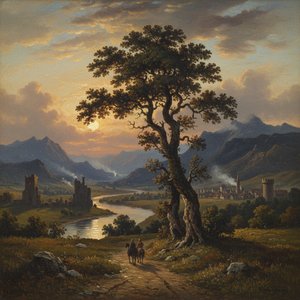
Paul Huet: Capturing the Essence of French Romanticism Through Light and Landscape
Explore the captivating world of Paul Huet (1803-1869), a master of French Romantic landscape painting. Discover his influence on Barbizon & Impressionism, and browse high-quality reproductions at OriginalUniqueArt.
保罗·克利25幅杰作:色彩与形式的艺术之旅 | OriginalUniqueArt
探索保罗·克利25幅杰作,领略抽象艺术的魅力!深入了解克利作品背后的故事、色彩构成与艺术灵感。OriginalUniqueArt.com提供高清油画复制品,为您的家居装饰增添艺术气息。立即在线探索完整系列!
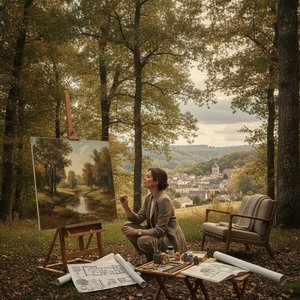
The Barbizon School: A Professional Guide to Naturalism and Landscape Mastery for Interior Designers
Explore the Barbizon School's mastery of naturalism. An expert guide for hotel designers and procurement managers on sourcing high-quality landscape reproductions to elevate hospitality and corporate interiors with authentic, large-scale fine art solutions.

