 效果预览
效果预览
 购买手绘画作
 分享
分享 分享
分享
 详情
详情

 下载
下载
 相似作品
相似作品 X射线
X射线 幻灯片播放
幻灯片播放untitled (2073)

 展开详情
展开详情




P118B $10

P118H $10

P118W $10

P438Z $10

P508JH $12

P508YH $12

P805H $10

P805Z $10

P919BZ $10

P919G $10

P919XJ $10

P959ZH $10

P968JZ $12

W106C $8

W218G $10

W218JH $8

W218Y $10

W307PJ $10

W316G $10

W316PJ $8

W316Y $10

W398PJ $8

W4111J $10

W500HY $15

W500JH $15

W692G $12

W849H $8

W940BG $15

W953PJ $8




从与原作比例一致的预设尺寸中进行选择。

您可以输入自定义尺寸,以适配特定的画框或空间。如果您选择的尺寸与原图比例不符,我们将对作品进行裁剪,或通过镜像填充/纯色填充边缘的方式来扩展图像。在开始制作之前,我们会向您发送一份数字效果图供您确认。
请注意,屏幕上的预览并不能反映实际的裁剪或扩展效果。只有效果图才能准确展示最终的构图。
虽然我们提供定制尺寸,但为了保持原图比例,我们建议您从预设列表中选择尺寸。


 玻璃选项仅适用于110厘米以下的尺寸。

untitled (2073)
艺术微喷/版画
复制品尺寸
-


最终总价
$ 80
藏品详情
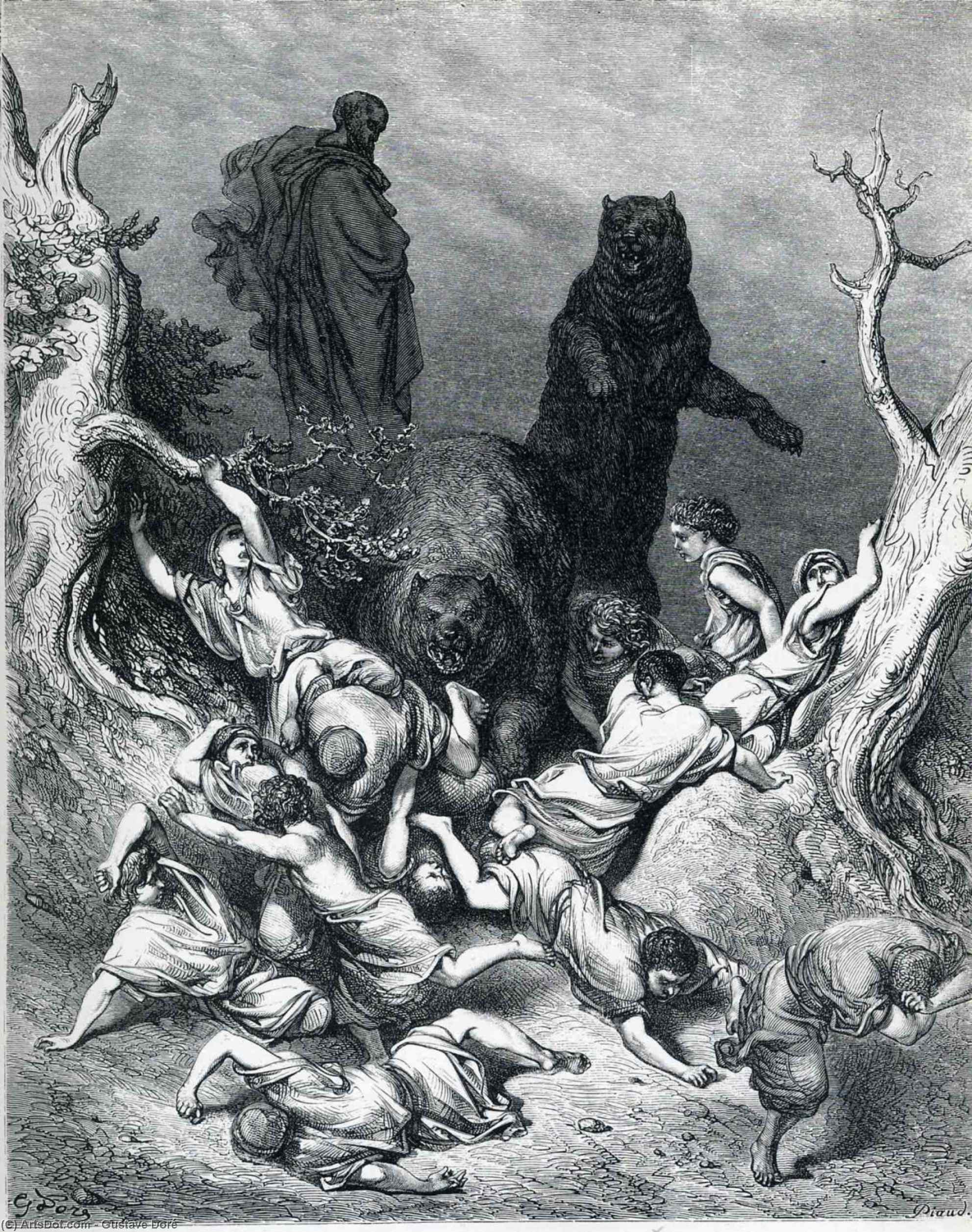
A Dramatic Encounter: Analyzing Gustave Doré’s “Untitled (2073)”
The artwork presented here—simply titled "Untitled (2073)"—is a masterful example of 19th-century illustrative engraving, executed by the celebrated artist Paul Gustave Doré. More than just a depiction of a bear and men in a forest, this piece embodies the spirit of Romanticism’s fascination with primal forces and explores themes of vulnerability against overwhelming power – elements that continue to resonate powerfully with audiences today.The Narrative Landscape: Composition and Symbolism
Doré's genius lies not merely in technical skill but in his ability to translate literary narratives into visual form. The engraving captures a moment of intense confrontation, portraying a man grappling desperately for the leg of a colossal bear within a densely populated woodland scene. This isn’t simply an observation; it’s a dramatization—a deliberate choice by Doré to engage the viewer emotionally and intellectually. The positioning of figures around the central bear underscores the precariousness of human existence when confronted with untamed nature, mirroring anxieties prevalent during Doré's time concerning humanity’s relationship with the wilderness. The bear itself serves as a potent symbol – representing brute strength, instinct, and perhaps even chaos—while the man embodies courage, determination, and ultimately, fragility.The Art of Engraving: Technique and Texture
Doré’s technique is undeniably remarkable. Employing the etching process on copper or steel plates, he meticulously incised lines into the metal surface with astonishing precision. These lines weren't merely outlines; they were painstakingly shaded to create a palpable sense of texture—the rough bark of trees, the fur of the bear, and even the clothing worn by the figures. The density of the linework varies dramatically, simulating different surfaces and enhancing the illusion of depth. This painstaking process demanded considerable time and patience, reflecting Doré’s dedication to capturing not just what he saw but how it *felt*. The resulting image possesses a physicality that transcends mere representation; it invites us to inhabit the scene alongside the characters depicted.Historical Context: Romanticism's Grip
Doré’s work emerged during the height of Romanticism, an artistic movement characterized by its emphasis on emotion, imagination, and individualism. Artists like Doré sought inspiration in folklore, mythology, and historical narratives—often portraying heroic struggles against formidable adversaries. “Untitled (2073)” exemplifies this trend, drawing upon archetypal imagery to convey profound psychological truths about human resilience and the inescapable influence of natural forces. The engraving’s aesthetic aligns perfectly with the movement's preoccupation with dramatic landscapes and emotionally charged subjects.Emotional Resonance: A Timeless Tale
Ultimately, “Untitled (2073)” succeeds in conveying a visceral emotional response. The pervasive gloom of the monochrome palette—dominated by shades of gray—mirrors the fear and desperation experienced by the human figures. Doré’s masterful linework captures not only the visual details but also the palpable tension of the encounter. It's a scene that speaks to our primal instincts, reminding us of humanity’s vulnerability in the face of overwhelming power – a theme that continues to captivate viewers across generations. This engraving isn't merely an illustration; it's a meditation on courage, fear, and the enduring drama of human experience.艺术家简介
光与影的编年史:古斯塔夫·多雷的世界
保罗·古斯塔夫·路易·克里斯托夫·多雷,更为人所知的名字是古斯塔夫·多雷,是一位横跨插图、绘画和雕塑领域,展现出惊人技艺的人物。他于1832年1月6日出生在法国斯特拉斯堡,他的生命展开在一个社会和艺术变革巨大的时代,浪漫主义依然盛行,但新出现的现实主义和象征主义潮流正在兴起。即使在他还是个孩子的时候,多雷就展现出非凡的天赋,不仅在于绘画——他从非常年轻的年龄就开始画画——还在于一种暗示着将定义他作品的戏剧性的个性。关于他年少成长的恶作剧的故事层出不穷,展示了一种超越其年龄的成熟度,预示着他艺术中弥漫的复杂性和常常出现的忧郁主题。他惊人的早熟使他在15岁时就以漫画家身份开始了他的职业生涯,为法国杂志《笑声报》工作,在巴黎喧嚣的讽刺世界中磨练了他的观察和构图技巧。从漫画到文学巨匠:一位插画家崛起
多雷早期的作品奠定了未来声誉的基础。《赫拉克勒斯的功绩》(1847)、《三位不被理解且不满意的艺术家》(1851)以及《一次旅行的不快》(1851)等作品展示了他日益增长的才华,能够以动态的构图和对光与影的大师级运用来创作引人注目的图像,即使在这些相对谦逊的开端。他深受J.J. 广维尔插图的影响,后者具有奇幻般的意象和讽刺的边缘,这与多雷自己不断发展的风格产生了共鸣。然而,是通过与文学巨匠合作,多雷真正地走向了繁荣。《拜伦》的作品于1853年获得委托,为他打开了通往进一步享有盛誉的项目的大门。随后是具有里程碑意义的《圣经》插图项目,这将巩固他的名声,并将他的艺术呈现在一个庞大的国际观众面前。他对塞万提斯的《堂吉诃德》(1860年代)的插图尤其具有影响力,深刻地影响了对这些人物和叙事的后续诠释。他不仅仅是描绘故事;他重塑了它们,用捕捉世界各地读者想象力的戏剧性强度来赋予它们生命。与布兰查德·杰罗德合作创作的《伦敦:朝圣之旅》(1872)是一部特别感人且有争议的作品,它描绘了维多利亚时代伦敦贫困的严峻现实,并引发了人们对社会状况的辩论。技艺的大师:木刻与浪漫主义视野
多雷的艺术天赋不仅在于他的富有想象力的远见,还在于他对技术的精通,尤其是在木刻方面。他拥有创造出令人难以置信的详细和戏剧性图像的能力,这种能力使他的作品能够大规模生产并广泛传播。他的构图以其动态性、明暗对比(称为明暗法)以及常常唤起敬畏或恐惧感的宏伟感为特征。他经常雇用一个大型的木刻师团队来将他的设计转化为木刻,从而能够满足出版商和读者对效率的需求。他的风格深深植根于浪漫主义传统中,强调情感、想象力和崇高——一种对自然强大力量以及人类状况的痴迷。他并非仅仅记录场景;他通过高度的情感性和戏剧性来诠释它们。这种方法虽然受到许多人的赞赏,但也引起了一些当代人的批评,他们认为他的风格过于戏剧化或耸人听闻。遗产与持久的影响
古斯塔夫·多雷于1861年获得了法国政府授予的骑士荣誉勋章,这证明了他日益增长的艺术圈认可。《唐吉诃德》插图、圣经插图以及《地狱公论》等作品使他成为当时最受尊敬和最有影响力的艺术家之一。尽管在有生之年面临一些批评——有些人认为他的风格过于戏剧化或缺乏微妙之处——多雷的作品现在因其艺术价值和历史意义而受到赞扬。他的插图继续塑造我们对经典文学和维多利亚社会的理解,为永恒的故事和主题提供了强大的视觉诠释。他于1883年1月23日去世,留下了一大批作品,这些作品继续吸引并激励着人们。《他的艺术仍然是证明插图的力量的见证,不仅可以描绘,还可以解释和改变我们周围的世界。》杰出作品
- 伦敦花贩 (1875): 一幅感人的维多利亚时代贫困和韧性的描绘,展示了在逆境中家庭纽带的力量。
- 基督教殉道者: 这部杰作以强大的情感描绘了信仰与迫害,是一部令人印象深刻的作品。
- 《神曲》地狱插图: 也许是他最著名的作品,这些木刻以无与伦比的强度将但丁地狱的可怕景象栩栩如生。
- 弥尔顿的《失乐园》插图: 多雷对这部史诗般的诗歌的诠释因其宏伟和戏剧性而闻名。
- 游走者 (1856): 一部受欢迎的作品,尽管它包含反映时代特征的反犹太倾向。
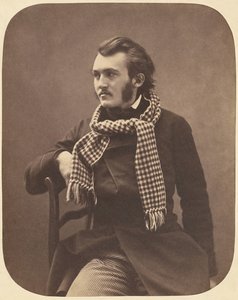
古斯塔夫·多雷
1832 - 1883 , 法国
艺术家简介
- 全名: 保罗·居斯塔夫·多雷
- 出生地点: 法国斯特拉斯堡
- 出生日期: 1832年1月6日
- 去世日期: 1883年1月23日
- 受影响的艺术家: ['文森特·梵高']
- 国籍: 法国
- 影响艺术家: ['J.J. 广维尔']
- 艺术风格: 浪漫主义
- 著名作品:
- 《唐吉诃德》插图
- 《乌鸦》插图
- 《伦敦:朝圣之旅》
- 《圣经》插图
- 《神曲》插图
相关文章
Paul Gustave Doré: A Master of Romantic Realism & the Illustrated Imagination
Explore the captivating world of Gustave Doré, master of Romantic realism & iconic illustrator. Discover his dramatic wood engravings, paintings, and sculptures – a legacy shaping art history. Learn more at OriginalUniqueArt.
Thomas Stothard: Bridging Neoclassical Ideals with Romantic Sensibility – A Reassessment
Explore the life & art of Thomas Stothard (1755-1834), a pivotal figure bridging Neoclassicism and Romanticism. Discover his exquisite book illustrations, iconic paintings like 'The Canterbury Pilgrims,' and lasting influence on British art.
Stephen Bone: A Reassessment of Colour, Form & the British Neo-Romantic Landscape Tradition
Explore the vibrant world of Stephen Bone (1904-1958), a key figure in British Neo-Romanticism. Discover his captivating landscapes, impactful war art & unique artistic style. Learn about his life, influences & legacy.
Echoes of Olympus: Mythological Narratives in Western Art Through the Ages
Explore the captivating history of mythological narratives in Western art! From ancient Greece to modern masterpieces, discover iconic artworks & symbolism. Expert analysis and high-quality reproductions at OriginalUniqueArt.
Engraving's Golden Age: 10 Masterpieces That Redefined Art | OriginalUniqueArt
Journey through art history with our Top 10 Legendary Engravings! Explore masterpieces by Dürer, Rembrandt & Goya. Discover the stories behind these iconic prints and find museum-quality reproductions for your home at OriginalUniqueArt.com.