购买版画
购买版画 分享
分享 分享
分享
 详情
详情

 下载
下载
 相似作品
相似作品 X射线
X射线 幻灯片播放
幻灯片播放Devil's Acre, Westminster

 展开详情
展开详情




































从与原作比例一致的预设尺寸中进行选择。

您可以输入自定义尺寸,以适配特定的画框或空间。如果所选尺寸与原图比例不符,我们将通过裁剪作品或添加手绘元素来扩展画面。数字样稿将在制作开始前发送给您确认。
请注意,屏幕预览无法准确反映实际的裁剪或扩展效果,只有样稿才能真实呈现最终的构图。
虽然我们提供定制尺寸服务,但为了保留原作比例,建议您从预设列表中选择尺寸。
下单后,OriginalUniqueArt.com 团队将通过电子邮件联系客户获取具体要求,并提供效果预览图。


 玻璃选项仅适用于110厘米以下的尺寸。

Devil's Acre, Westminster
复制材质
复制品尺寸
-


最终总价
-
作品详情
The Devil’s Acre – Westminster: A Glimpse of Victorian Despair
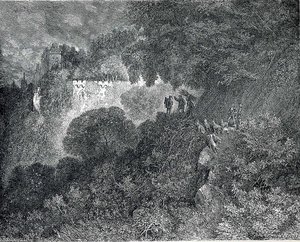
Gustave Doré's “Devil’s Acre – Westminster,” created in 1872, isn’t merely an illustration; it’s a haunting tableau of urban decay and social injustice. This powerful wood engraving offers a starkly realistic depiction of the infamous Devil’s Half Acre, a notorious slum nestled alongside the grand façade of Westminster Abbey in Victorian London. More than just a visual record, Doré's work serves as a poignant commentary on poverty, overcrowding, and the moral failings of an era grappling with rapid industrialization and its attendant social consequences.
The scene unfolds within a narrow, shadowed street – St. Anne’s Lane – choked by dilapidated buildings and overflowing refuse. The figures depicted are not idealized heroes or romanticized subjects; they are the marginalized inhabitants of this forgotten corner of London: a weary vendor hawking his wares, a man burdened with a bundle, and countless others lost in the grim reality of their existence. Doré masterfully employs chiaroscuro – the dramatic contrast between light and shadow – to heighten the sense of despair and claustrophobia. The muted palette of browns, grays, and blacks reinforces this atmosphere of gloom, while strategically placed shafts of light illuminate pockets of misery, drawing the viewer’s eye to the suffering within.
Doré's Technique: A Masterclass in Wood Engraving
Gustave Doré was a virtuoso of wood engraving, a technique demanding immense skill and patience. He began by meticulously transferring his detailed pencil sketches onto a block of hardwood – typically boxwood or pearwood – using a stylus. Each line, each shading effect, had to be painstakingly carved into the surface of the block with specialized gouges. This process was incredibly laborious, requiring countless hours of work for each image. The resulting print, however, possessed an astonishing level of detail and tonal richness, achieved through careful control of ink distribution and pressure during printing.
Doré’s mastery extended beyond technical skill; he understood how to use the limitations of wood engraving to his advantage. He skillfully created a sense of texture and depth by varying the line weight and density, mimicking the effects of brushstrokes or charcoal shading. The subtle gradations in tone – achieved through multiple passes with the ink roller – contribute significantly to the image’s emotional impact, conveying both the harshness and the vulnerability of the scene.
Historical Context: London's Dark Underbelly
The Devil’s Acre wasn’t a random slum; it was a deliberate consequence of Victorian urban planning. As London swelled with population during the Industrial Revolution, many impoverished families were pushed into overcrowded, unsanitary areas on the fringes of the city. The area surrounding Westminster Abbey, despite its proximity to power and wealth, became a haven for crime, disease, and despair. Charles Waterton, a wealthy eccentric, famously described it as “a place where the devil might find employment,” encapsulating the grim reality of the district.
Doré’s illustration emerged during a period of intense social reform in Britain. The plight of the poor was increasingly recognized, and reformers like Charles Dickens sought to expose the injustices faced by the working class. “Devil’s Acre” served as a powerful visual indictment of this societal failure, prompting reflection on the responsibilities of government and society towards its most vulnerable citizens.
Symbolism and Emotional Resonance
Beyond its documentary value, “Devil’s Acre” is rich in symbolism. The darkness enveloping the scene represents not only physical poverty but also moral decay and spiritual emptiness. The figures themselves embody resilience and suffering, their faces etched with hardship and resignation. The juxtaposition of the imposing grandeur of Westminster Abbey – a symbol of power and faith – against the squalor of the Devil’s Acre creates a profound sense of contrast and injustice.
Doré's work evokes a complex range of emotions: pity, outrage, and perhaps even a touch of melancholy. It is a reminder of the human cost of progress and a testament to the enduring power of art to expose uncomfortable truths and challenge viewers to confront difficult realities. Reproductions of this iconic image continue to resonate today, serving as a poignant symbol of social inequality and the importance of compassion.
艺术家简介
光与影的编年史:古斯塔夫·多雷的世界
保罗·古斯塔夫·路易·克里斯托夫·多雷,更为人所知的名字是古斯塔夫·多雷,是一位横跨插图、绘画和雕塑领域,展现出惊人技艺的人物。他于1832年1月6日出生在法国斯特拉斯堡,他的生命展开在一个社会和艺术变革巨大的时代,浪漫主义依然盛行,但新出现的现实主义和象征主义潮流正在兴起。即使在他还是个孩子的时候,多雷就展现出非凡的天赋,不仅在于绘画——他从非常年轻的年龄就开始画画——还在于一种暗示着将定义他作品的戏剧性的个性。关于他年少成长的恶作剧的故事层出不穷,展示了一种超越其年龄的成熟度,预示着他艺术中弥漫的复杂性和常常出现的忧郁主题。他惊人的早熟使他在15岁时就以漫画家身份开始了他的职业生涯,为法国杂志《笑声报》工作,在巴黎喧嚣的讽刺世界中磨练了他的观察和构图技巧。从漫画到文学巨匠:一位插画家崛起
多雷早期的作品奠定了未来声誉的基础。《赫拉克勒斯的功绩》(1847)、《三位不被理解且不满意的艺术家》(1851)以及《一次旅行的不快》(1851)等作品展示了他日益增长的才华,能够以动态的构图和对光与影的大师级运用来创作引人注目的图像,即使在这些相对谦逊的开端。他深受J.J. 广维尔插图的影响,后者具有奇幻般的意象和讽刺的边缘,这与多雷自己不断发展的风格产生了共鸣。然而,是通过与文学巨匠合作,多雷真正地走向了繁荣。《拜伦》的作品于1853年获得委托,为他打开了通往进一步享有盛誉的项目的大门。随后是具有里程碑意义的《圣经》插图项目,这将巩固他的名声,并将他的艺术呈现在一个庞大的国际观众面前。他对塞万提斯的《堂吉诃德》(1860年代)的插图尤其具有影响力,深刻地影响了对这些人物和叙事的后续诠释。他不仅仅是描绘故事;他重塑了它们,用捕捉世界各地读者想象力的戏剧性强度来赋予它们生命。与布兰查德·杰罗德合作创作的《伦敦:朝圣之旅》(1872)是一部特别感人且有争议的作品,它描绘了维多利亚时代伦敦贫困的严峻现实,并引发了人们对社会状况的辩论。技艺的大师:木刻与浪漫主义视野
多雷的艺术天赋不仅在于他的富有想象力的远见,还在于他对技术的精通,尤其是在木刻方面。他拥有创造出令人难以置信的详细和戏剧性图像的能力,这种能力使他的作品能够大规模生产并广泛传播。他的构图以其动态性、明暗对比(称为明暗法)以及常常唤起敬畏或恐惧感的宏伟感为特征。他经常雇用一个大型的木刻师团队来将他的设计转化为木刻,从而能够满足出版商和读者对效率的需求。他的风格深深植根于浪漫主义传统中,强调情感、想象力和崇高——一种对自然强大力量以及人类状况的痴迷。他并非仅仅记录场景;他通过高度的情感性和戏剧性来诠释它们。这种方法虽然受到许多人的赞赏,但也引起了一些当代人的批评,他们认为他的风格过于戏剧化或耸人听闻。遗产与持久的影响
古斯塔夫·多雷于1861年获得了法国政府授予的骑士荣誉勋章,这证明了他日益增长的艺术圈认可。《唐吉诃德》插图、圣经插图以及《地狱公论》等作品使他成为当时最受尊敬和最有影响力的艺术家之一。尽管在有生之年面临一些批评——有些人认为他的风格过于戏剧化或缺乏微妙之处——多雷的作品现在因其艺术价值和历史意义而受到赞扬。他的插图继续塑造我们对经典文学和维多利亚社会的理解,为永恒的故事和主题提供了强大的视觉诠释。他于1883年1月23日去世,留下了一大批作品,这些作品继续吸引并激励着人们。《他的艺术仍然是证明插图的力量的见证,不仅可以描绘,还可以解释和改变我们周围的世界。》杰出作品
- 伦敦花贩 (1875): 一幅感人的维多利亚时代贫困和韧性的描绘,展示了在逆境中家庭纽带的力量。
- 基督教殉道者: 这部杰作以强大的情感描绘了信仰与迫害,是一部令人印象深刻的作品。
- 《神曲》地狱插图: 也许是他最著名的作品,这些木刻以无与伦比的强度将但丁地狱的可怕景象栩栩如生。
- 弥尔顿的《失乐园》插图: 多雷对这部史诗般的诗歌的诠释因其宏伟和戏剧性而闻名。
- 游走者 (1856): 一部受欢迎的作品,尽管它包含反映时代特征的反犹太倾向。
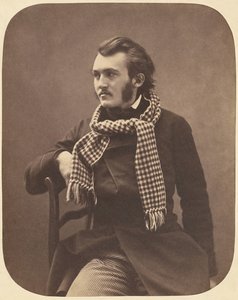
古斯塔夫·多雷
1832 - 1883 , 法国
艺术家简介
- 全名: 保罗·居斯塔夫·多雷
- 出生地点: 法国斯特拉斯堡
- 出生日期: 1832年1月6日
- 去世日期: 1883年1月23日
- 受影响的艺术家: ['文森特·梵高']
- 国籍: 法国
- 影响艺术家: ['J.J. 广维尔']
- 艺术风格: 浪漫主义
- 著名作品:
- 《唐吉诃德》插图
- 《乌鸦》插图
- 《伦敦:朝圣之旅》
- 《圣经》插图
- 《神曲》插图
相关文章
George Frederic Watts: Symbolism, Spirituality & Victorian Ideal Beauty
Explore the captivating Symbolist art of George Frederic Watts. Discover his allegorical masterpieces, classical influences & spiritual themes. Learn about his legacy and find high-quality reproductions at OriginalUniqueArt.

Frederick Waters Watts: A Victorian Vision of Aestheticism & Spiritual Symbolism
Explore the captivating world of Frederick Watts, a key Victorian painter blending aestheticism & spiritual symbolism. Discover his allegorical masterpieces like 'Hope' and delve into his artistic journey with OriginalUniqueArt.
维多利亚现实主义:日常生活的镜鉴与时代精神的剖析
深入剖析维多利亚现实主义,探索19世纪英国艺术的魅力。OriginalUniqueArt提供博物馆级手工油画复制、定制肖像及专业艺术咨询,助您收藏经典,提升品味。
Walter Greaves: A Study in Victorian Realism & the Social Landscape of British Art
Explore the life & work of Walter Greaves, a key Victorian realist painter influenced by Whistler. Discover his London streetscapes, portraits, and enduring legacy. Learn about art appraisal & reproduction options at OriginalUniqueArt.

George Goodwin Kilburne: Capturing Victorian Sentimentality Through Genre Painting
Explore the evocative Victorian paintings of George Goodwin Kilburne. Discover his detailed scenes of domestic life, masterful use of light, and lasting impact on British genre painting. Learn more at OriginalUniqueArt.