
 实景预览
实景预览
 分享
分享 分享
分享
 详情
详情 指南
指南

 下载作品
下载作品
 相似作品
相似作品 X射线
X射线 幻灯片播放
幻灯片播放 问答
问答 统计数据
统计数据Joyous Frolics


 展开全文
展开全文
艺术微喷/版画
博物馆级艺术微喷或帆布版画,制作高效,并提供多种饰面选择。 ( 订购纯手工绘制画作 切换至数字图像销售渠道)




P118B ¥10

P118H ¥10

P118W ¥10

P438Z ¥10

P508JH ¥12

P508YH ¥12

P805H ¥10

P805Z ¥10

P919BZ ¥10

P919G ¥10

P919XJ ¥10

P959ZH ¥10

P968JZ ¥12

W106C ¥8

W218G ¥10

W218JH ¥8

W218Y ¥10

W307PJ ¥10

W316G ¥10

W316PJ ¥8

W316Y ¥10

W398PJ ¥8

W4111J ¥10

W500HY ¥15

W500JH ¥15

W692G ¥12

W849H ¥8

W940BG ¥15

W953PJ ¥8




您可以从与原作比例一致的预设尺寸中进行选择。

请输入您所需的宽度和高度,以适配您的画框或墙面。由于印刷品只能进行裁剪,无法超出原图尺寸,因此若比例不一致,画面的一部分将会被裁切。在正式印刷之前,我们会为您发送一份数字效果图供您确认。本页面显示的图片并非最终裁剪后的效果——只有效果图才能展示真实的裁剪情况。


 玻璃选项仅适用于110厘米以下的尺寸。

Joyous Frolics
艺术微喷/版画
复刻品尺寸
-


最终结算价
¥ 543
A Symphony of Summer: The Ethereal Charm of Joyous Frolics
In the soft, shimmering light of the late nineteenth century, Paul Émile Chabas captured a moment of pure, unadulterated bliss in his masterpiece, Joyous Frolics. Created in 1899, this painting serves as a breathtaking window into the Belle Époque, inviting the viewer to step away from the rigors of modern life and into a serene, aquatic sanctuary. The scene unfolds with a graceful fluidity, depicting a group of women immersed in the gentle embrace of a natural spring or lake. As they swim, stand, and play amidst lush, verdant greenery, there is an unmistakable sense of harmony between the human form and the natural world. It is not merely a depiction of leisure; it is a poetic celebration of vitality and the effortless beauty found in shared moments of tranquility.
The technical mastery of Chabas is on full display through his delicate application of paint, where soft, feathered brushstrokes merge to create a dreamlike atmosphere. Eschewing the harsh outlines of traditional academicism, he employs a muted and sophisticated color palette that emphasizes the play of light upon skin and water. This subtle infusion of Impressionistic technique allows the sunlight to dance across the surface of the ripples, lending a sense of depth and three-dimensional movement to the composition. The way the natural light filters through the surrounding foliage to illuminate the figures creates a luminous quality, making the entire scene feel as though it is breathing with a quiet, rhythmic pulse.
The Art of the Human Form and Natural Grace
As an artist celebrated for his ability to capture the nude figure within organic settings, Chabas utilizes Joyous Frolics to explore themes of innocence and naturalism. The figures are not posed with theatricality; instead, they exist in a state of relaxed, unselfconscious grace. This lack of artifice is what makes the painting so emotionally resonant for the contemporary observer. There is a profound sense of peace derived from seeing the human body integrated so seamlessly into the landscape. The presence of a small boat drifting near the shore adds a touch of nostalgic charm, suggesting a world where time slows down, and the only priority is the enjoyment of the present moment.
For the discerning collector or interior designer, this artwork offers more than just aesthetic beauty; it provides an emotional anchor for a space. The painting’s ability to evoke calmness and nostalgia makes it an ideal centerpiece for rooms designed for relaxation, such as a master suite, a sunlit library, or an elegant lounge. A high-quality reproduction of Joyous Frolics brings with it the prestige of the Musée Des Beaux collection, allowing the timeless elegance of French academic art to transform a modern interior into a sanctuary of classical sophistication. It is a piece that does not merely decorate a wall but breathes life and a sense of historical grandeur into the very heart of a home.
常见问题与解答
如何以幻灯片形式查看Paul Émile Chabas 的《Joyous Frolics》?
您可以在作品的 幻灯片展示 页面上以幻灯片形式浏览 Paul Émile Chabas 的《Joyous Frolics》。
在购买之前,我可以在自己的墙上预览 Paul Émile Chabas 的《Joyous Frolics》 吗?
通过作品的 AR 效果预览 页面,您可以在兼容设备上使用增强现实技术,在自己的墙面上预览 Paul Émile Chabas 的《Joyous Frolics》。
“Joyous Frolics”是如何体现 Paul Émile Chabas 的创作主题与艺术风格的?
在Paul Émile Chabas的作品中,"Joyous Frolics" 呈现出Academic Impressionism风格,并延续了academic style influences, impressionist brushwork, belle époque leisure, natural beauty themes, mastery of human form, signature nude subject matter的主题。
艺术家简介
Henri Matisse: A Revolutionary of Color
Henri Matisse, born December 31st, 1869, in Le Cateau, France, wasn’t initially destined for a life immersed in art. His early years were marked by a pragmatic upbringing within a grain-producing family, and he pursued legal studies before discovering his true calling amidst the vibrant artistic currents of Paris. This unexpected shift—from law to brushstrokes—would irrevocably alter the course of 20th-century art, establishing Matisse as one of its most influential figures alongside Pablo Picasso. His legacy isn’t simply defined by a collection of beautiful paintings; it resides in his radical exploration of color and form, pushing boundaries and inspiring generations of artists.
Early Influences and Artistic Beginnings
Matisse's artistic journey began with a cautious foray into drawing classes during the late 1880s. Initially, he sought acceptance within the established academic framework of the École des Beaux-Arts in Paris, studying under Gustave Moreau, a Symbolist painter known for his opulent and often unsettling imagery. However, Matisse quickly found himself dissatisfied with the rigid conventions of this traditional approach. He experimented with various styles – Neoclassicism, Impressionism, and even Neo-Impressionism – absorbing influences from masters like Manet and Cézanne while simultaneously seeking a more personal expression. This period was characterized by a deliberate attempt to master technique, but it also revealed a growing desire to break free from the constraints of traditional representation.
The Fauvist Revolution: A Bold Embrace of Color
Around 1900, Matisse’s artistic trajectory took a dramatic turn. Inspired by Paul Gauguin and Vincent van Gogh, he began to prioritize color above all else, rejecting the muted tones and realistic depictions favored by his contemporaries. This marked the birth of Fauvism – “wild beast” in French – a movement characterized by intense, non-naturalistic colors applied with broad, arbitrary brushstrokes. Works like *Woman with a Hat* (1905) and *The Red Studio* (1911) exemplify this revolutionary approach, showcasing vibrant reds, blues, yellows, and greens used not to represent reality but to evoke emotion and create visual impact. The Salon des Indépendants in Paris provided a crucial platform for these daring works, attracting both critical acclaim and considerable controversy.
Matisse’s Evolution: From Boldness to Restraint
Following the initial fervor of Fauvism, Matisse continued to experiment with color and form. He spent time in Collioure, France, collaborating with André Derain, further refining his expressive palette and exploring new compositional techniques. In 1917, he relocated to Nice, on the French Riviera, where a shift occurred – a move towards greater simplification and a more classical sensibility. This period saw him embracing flatter forms, decorative patterns, and a sense of balance reminiscent of Renaissance masters. Despite this apparent return to tradition, Matisse never abandoned his core principles; instead, he integrated them into a uniquely personal style.
Late Works and Legacy: Cutouts and Beyond
As age progressed, Matisse’s artistic practice underwent another transformation. Following a debilitating illness in 1942, he largely ceased painting, turning his attention to the medium of paper cutouts. These intricate compositions, created by cutting shapes from colored paper and arranging them on canvases, represent a remarkable testament to his enduring creativity and visual acuity. The *Tahitian Faggots* (1937) series, produced during his final years in Corsica, are particularly poignant examples of this late-period work. Henri Matisse died November 3rd, 1954, leaving behind an unparalleled body of work that continues to captivate and inspire audiences worldwide. His influence extends far beyond the realm of painting, shaping modern design, graphic arts, and our very perception of color itself. He remains a pivotal figure in the history of art, a revolutionary who dared to prioritize feeling over representation and forever changed the way we see the world.

Paul Émile Chabas
1869 - 1937
艺术家简介
- Full Name: Henri-Émile-Benoît Matisse
- Nationality: French
- Date Of Birth: 1869
- Date Of Death: 1937
- Place Of Birth: Le Cateau, Picardy, France
- Notable Artworks:
- The Red Studio
- Dance (Matisse)
- Artistic Movement Or Style:
- Fauvism
- Modernism
- Artists Who Influenced This Artist:
- William-Adolphe Bouguereau
- Paul Cézanne
- Artists Or Movements Influenced By This Artist: ['Pablo Picasso']
相关文章
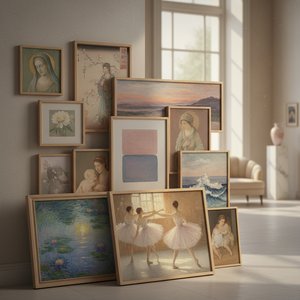
Soft Hues & Masterpieces: 10 Artworks That Define Delicate Color |
Explore 10 iconic artworks celebrated for their soft color intensity! From Monet's Impressionism to Renoir & Sargent, discover the stories behind these masterpieces. Find museum-quality art reproductions and curated decor ideas at .

雷诺阿大师25幅经典之作:光影中的艺术与生活 | OriginalUniqueArt
探索雷诺阿25幅经典之作,感受印象派大师的光影魅力与色彩诗意。从《舞会》到《煎饼磨坊》,OriginalUniqueArt为您呈现艺术背后的故事与技巧。高品质艺术复制品,点亮您的家居空间!立即在OriginalUniqueArt.com探索完整系列。

莫奈大师25幅杰作:光影艺术与家居臻选 | Claude Monet's 25 Masterpieces
探索克劳德·莫奈25幅杰作,沉浸于印象派大师的光影世界。从《睡莲》到《日出·印象》,感受色彩与情感的完美交融。OriginalUniqueArt.com提供博物馆级艺术复制品,为您的家居带来臻选装饰灵感!立即探索完整系列。

The Subdued Palette: Exploring Emotional Resonance & Aesthetic Impact in Muted Artworks
Explore the power of muted colors in art! Discover the history, psychology & techniques behind serene palettes. Find inspiration & expert advice for creating emotionally resonant spaces with OriginalUniqueArt.
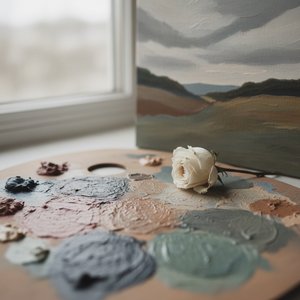
The Subdued Resonance: Exploring Emotional Depth & Artistic Nuance within Muted Color Palettes
Explore the captivating world of muted colors in art & design! Discover historical context, psychological effects, techniques, and inspiration for creating serene spaces. Elevate your aesthetic with OriginalUniqueArt.