

 效果预览
效果预览
 分享
分享 分享
分享
 详情
详情

 下载
下载
 相似作品
相似作品 X射线
X射线 幻灯片播放
幻灯片播放 Stats
StatsProstitution


 展开详情
展开详情
艺术微喷/版画
博物馆级艺术微喷或帆布版画,制作高效,并提供多种饰面选择。 ( 购买手绘画作 Switch to Digital Image)




































从与原作比例一致的预设尺寸中进行选择。

您可以输入自定义尺寸,以适配特定的画框或空间。如果您选择的尺寸与原图比例不符,我们将对作品进行裁剪,或通过镜像填充/纯色填充边缘的方式来扩展图像。在开始制作之前,我们会向您发送一份数字效果图供您确认。
请注意,屏幕上的预览并不能反映实际的裁剪或扩展效果。只有效果图才能准确展示最终的构图。
虽然我们提供定制尺寸,但为了保持原图比例,我们建议您从预设列表中选择尺寸。


 玻璃选项仅适用于110厘米以下的尺寸。

Prostitution
艺术微喷/版画
复制品尺寸
-


最终总价
$ 80
艺术家简介
保罗·阿尔伯特·贝斯纳德的光辉传承
在法国艺术的璀璨织锦中,保罗·阿尔伯特·贝斯纳德(Paul Albert Besnard, 1849-1934)是一位独一无二的人物。作为一名画家,他以一种独特且难以归类的优雅姿态,穿梭于十九世纪末至二十世纪初变幻莫测的时代浪潮之中。这位出生于巴黎的艺术家,其艺术生涯始于美术学院(École des Beaux-Arts)严谨的殿堂,并在让·布雷蒙(Jean Bremond)的指导下深造。在他早期的艺术成长中,亚历山大·卡巴内尔(Alexandre Cabanel)那细致入微的现实主义风格留下了深刻印记,为贝斯纳德奠定了扎实的学院派基础。然而,在这一古典训练的底色之下,却跳动着一颗追求现代的心——他最终决定超越传统的刻板边界,去拥抱光影与大气中那转瞬即逝的美感。
随着艺术造诣的日臻成熟,贝斯纳德开始在结构严谨的学院派绘画与充满活力、感官驱动的印象派探索之间架起桥梁。尽管他并未为了纯粹的抽象而彻底抛弃形式,但他却成为了色彩的大师,运用着既明亮通透又蕴含深厚情感的调色盘。他的作品展现出一种对光影与物体表面交互作用的执着痴迷,无论是肖像画中细腻的肌肤,还是他宏大委托作品中辽阔的建筑空间,皆能捕捉到光的律动。这种将宏伟叙事与亲密情感完美融合的能力,使他得以超越时代的标签,创造出一种既永恒经典又具有鲜明现代感的艺术风格。
尺度与灵魂的大师
贝斯纳德真正的天才之处,或许最直观地体现在他将现代审美转化为宏大装饰性规模的能力上。他不仅仅是在创作绘画,更是在重塑空间。他那些雄心勃勃的湿壁画点缀着法国一些最负盛名的机构,见证了他将艺术视为一种公共且沉浸式体验的远见。这些杰作散落在如下地点:
- 索邦大学,在那里,他的笔触为学术殿堂的庄严注入了生命力。
- 药学院,展示了他将艺术与功能性建筑融为一体的非凡才华。
- 法兰西喜剧院的科学厅,是一场装饰性叙事艺术的胜利。
- 巴黎市政厅,映射出巴黎的城市自豪感与审美高度。
- 贝尔克医院礼拜堂,其创作的苦路像通过现代且人文主义的视角,重新诠释了宗教图像学。
在这些宏大的工程中,贝斯纳德避开了许多同时代艺术家所青睐的那种过度戏剧化或剧场化的美学风格。相反,他采用了一种更为含蓄、更具氛围感的手法,让光线自然地引导观众的视线,确保即使是最庞大的构图也能保留一份诗意的亲密感与精神深度。
肖像画与形式的亲密性
除了湿壁画中那波澜壮阔的视野,贝斯纳德也是更为私人化作品的丰硕创作者。他拥有非凡的能力,能通过油画、水彩、粉彩和蚀刻版画捕捉受众的心理本质。他的肖像画之所以备受赞誉,不仅在于其技术上的精准,更在于其深邃的情感共鸣。在他对乔治·罗登巴赫夫人(Madame Georges Rodenbach)的描绘中,我们可以发现一种对美的大胆探索,这种探索挑战了传统规范,展现了他以同样的热忱去刻画纹理与性格的精湛技艺。
作为一名版画家和素描家的多才多艺,使他能够在更为细腻的尺度上实验光影的交织。无论是捕捉比利时国王与王后那尊贵的仪态,还是表现风景中的宁静,贝斯纳德的作品始终根植于一种令人联想起托马斯·庚斯博罗(Thomas Gainsborough)的影响——那是一种高雅且富有节奏感的流动感,升华了题材本身。归根结底,保罗·阿尔伯特·贝斯纳德的伟大之处正在于这种双重性:他既能驾驭法国最宏伟的大厅,又能同时捕捉到光影中最轻盈、最细腻的低语。
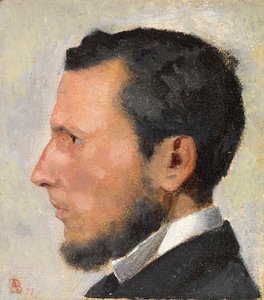
保罗·阿尔贝·贝斯纳德
1849 - 1934 , 法国
艺术家简介
- Artistic Movement Or Style: 印象派
- Artists Or Movements Influenced By This Artist: ['学院派绘画']
- Artists Who Influenced This Artist:
- 亚历山大·卡巴内尔
- 托马斯·庚斯博罗
- Date Of Birth: 法国巴黎 (1849)
- Date Of Death: 1934
- Full Name: 保罗·阿尔贝·贝斯纳德
- Nationality: 法国
- Notable Artworks:
- 《提莫法内斯的死亡》
- 《通过仲裁实现和平》
- 《乔治·罗登巴赫夫人肖像》
- Place Of Birth: 巴黎