
 购买版画
购买版画 分享
分享 分享
分享
 详情
详情

 下载
下载
 相似作品
相似作品 X射线
X射线 幻灯片播放
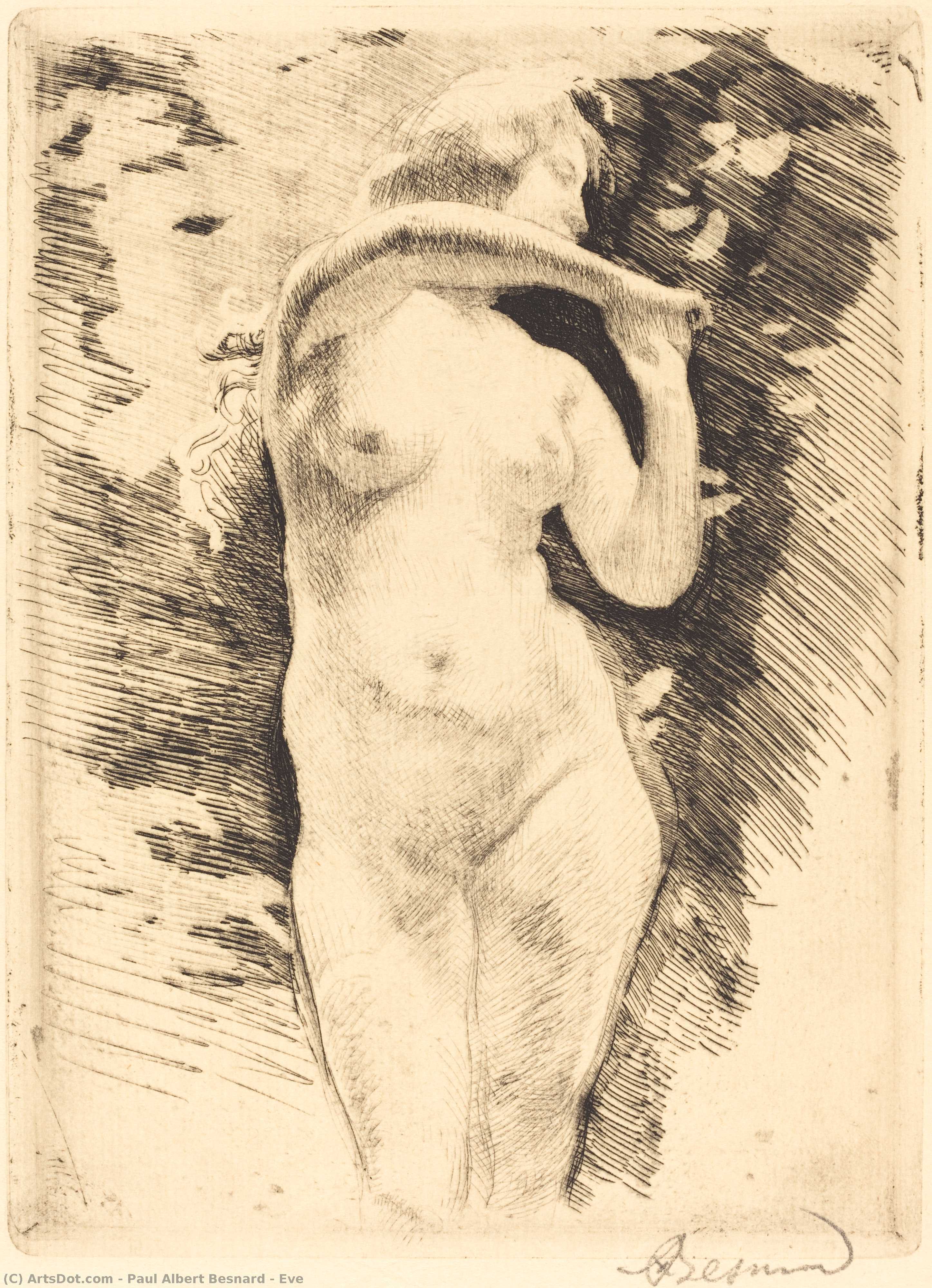
幻灯片播放Eve


 展开详情
展开详情




































从与原作比例一致的预设尺寸中进行选择。

您可以输入自定义尺寸,以适配特定的画框或空间。如果所选尺寸与原图比例不符,我们将通过裁剪作品或添加手绘元素来扩展画面。数字样稿将在制作开始前发送给您确认。
请注意,屏幕预览无法准确反映实际的裁剪或扩展效果,只有样稿才能真实呈现最终的构图。
虽然我们提供定制尺寸服务,但为了保留原作比例,建议您从预设列表中选择尺寸。
下单后,OriginalUniqueArt.com 团队将通过电子邮件联系客户获取具体要求,并提供效果预览图。


 玻璃选项仅适用于110厘米以下的尺寸。

Eve
复制材质
复制品尺寸
-


最终总价
-
艺术家简介
Paul Albert Besnard: Bridging Impressionism and Decorative Grandeur
Paul Albert Besnard (1849-1934) stands as a singular figure in French art of the late nineteenth and early twentieth centuries—a painter who stubbornly resisted categorization while simultaneously achieving remarkable success across diverse artistic mediums. Born in Paris, he possessed an innate talent nurtured by formal training at the École des Beaux-Arts under Jean Bremond and profoundly shaped by the pioneering spirit of Alexandre Cabanel, whose meticulous realism served as a cornerstone for Besnard’s initial artistic explorations. His academic grounding provided a disciplined foundation upon which he would later forge his own distinctive path, one characterized by an unwavering fascination with color and light—concepts championed by the Impressionists. Despite eschewing the overtly dramatic aesthetic favored by his contemporaries, Besnard skillfully adapted Impressionistic techniques to monumental decorative projects. This decision cemented his reputation as a master craftsman and visionary artist. His frescoes adorning prestigious locations like the Sorbonne, École de Pharmacie, Comédie Française’s Salle des Sciences, Hôtel de Ville, and Berck Hospital's chapel exemplify this ambition—each station of the cross meticulously rendered in an entirely modern idiom that departed dramatically from traditional religious iconography. These ambitious undertakings underscore Besnard’s belief that art could serve as a vehicle for conveying profound ideas while simultaneously captivating the senses. Besnard’s artistic journey wasn’t solely defined by grand commissions; he cultivated a prodigious talent across watercolor, pastel, oil, and etching. His portraits captivated audiences with their psychological depth and expressive subtlety—particularly his depiction of Madame Georges Rodenbach, a daring exploration of unconventional beauty and stylistic innovation. Similarly, “The King and Queen of Belgium” showcased Besnard’s ability to capture regal dignity alongside nuanced emotional resonance. Influenced by Gainsborough and Reynolds during his formative years in England, he honed his observational skills and incorporated elements of landscape painting into his oeuvre. Furthermore, Besnard's meticulous study of light—evident in works like “La Femme qui se chauffe” at the Luxembourg Museum—demonstrated a commitment to scientific rigor alongside artistic intuition. His exploration of India in 1911 yielded striking nude studies that captured the ethereal beauty of the subcontinent and solidified his reputation as one of France’s foremost artists. He bravely confronted the looming shadow of impending war with “Peace by Arbitration,” completing it just days before hostilities erupted, reflecting a humanist sensibility deeply rooted in the artistic traditions of his time. Besnard's legacy extends beyond individual masterpieces; he established himself as a pivotal figure in shaping the visual culture of the Belle Époque and beyond. His unwavering dedication to mastering technique combined with an imaginative spirit ensured that his work continues to inspire admiration and scholarly inquiry—a testament to his enduring contribution to French art history.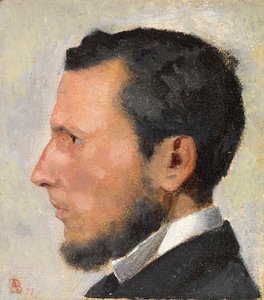
Paul Albert Besnard
1849 - 1934 , France
艺术家简介
- Artistic Movement Or Style: Impressionism
- Artists Or Movements Influenced By This Artist: ['Academic Painting']
- Artists Who Influenced This Artist:
- Alexandre Cabanel
- Thomas Gainsborough
- Date Of Birth: Paris, France (1849)
- Date Of Death: 1934
- Full Name: Paul Albert Besnard
- Nationality: French
- Notable Artworks:
- Death of Timophanes
- Peace by arbitration
- Portrait de Madame Georges Rodenbach
- Place Of Birth: Paris

