切换至版画销售渠道
 展开全文
展开全文







































 对于任何边长超过 105 厘米(约 41 英寸)的艺术品或复制品,画框将以拆解后的组件形式发货。此方法可确保安全送达并防止运输过程中的损坏。


The Celestial Tapestry: Veronese’s Ceiling Paintings in the Palazzo Ducale
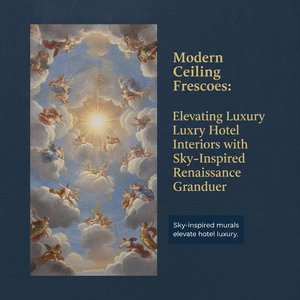
Within the opulent halls of the Palazzo Ducale in Venice, a breathtaking spectacle unfolds – Paolo Veronese's ceiling paintings, completed between 1578 and 1582. More than mere decoration, these monumental works represent a pinnacle of Mannerist artistry, a dazzling fusion of classical grandeur, vibrant color, and theatrical drama that continues to captivate viewers centuries later. They are not simply painted images; they’re immersive environments, meticulously crafted illusions designed to transform the very space in which they reside.
Veronese, already a celebrated master by this period, had been commissioned to adorn the Sala del Collegio within the Palazzo Ducale – a project that demanded an unprecedented scale and ambition. The paintings depict a complex narrative, primarily rooted in classical mythology and religious allegory, yet rendered with a distinctly Venetian sensibility. The sheer number of figures—estimated at over 100—is staggering, each meticulously detailed and posed to contribute to the overall sense of bustling activity and vibrant life. This wasn’t merely about illustrating stories; it was about creating an illusion of boundless space, drawing the eye upwards into a realm of idealized beauty and divine presence.
A Symphony of Color and Technique
Veronese's mastery lies not just in his subject matter but also in his unparalleled command of color. He employed a technique known as “quadratura,” a sophisticated illusionistic method that seamlessly blends painted architecture with the real structure of the ceiling. This involved creating the *impression* of architectural elements – columns, arches, and elaborate moldings – entirely through paint, giving the illusion of an expansive, three-dimensional space. The colors themselves are extraordinarily rich and luminous, achieved through painstaking layering of glazes and a deep understanding of how light interacts with surface. The use of ultramarine blue, imported at great expense from the East, is particularly striking, lending a celestial quality to the overall composition.
Furthermore, Veronese’s brushwork is remarkably fluid and dynamic. He eschewed the smooth, polished surfaces favored by earlier Renaissance painters in favor of a more textured approach, creating a sense of movement and vitality within each figure and scene. The figures are not static representations; they seem to be caught in moments of action, conversation, or contemplation, contributing to the painting’s overall theatricality.
Symbolism and Venetian Grandeur
Decoding the symbolism woven throughout Veronese's ceiling paintings is a rewarding endeavor. The scenes depict a carefully orchestrated pageant of mythological figures – gods, goddesses, emperors, and heroes – engaged in elaborate feasts, processions, and dramatic encounters. These aren’t straightforward biblical narratives; they are infused with Venetian cultural values, celebrating wealth, power, and the city’s position as a center of trade and artistic innovation. The inclusion of numerous portraits—often believed to be likenesses of prominent Venetian citizens—further underscores this connection to the local elite.
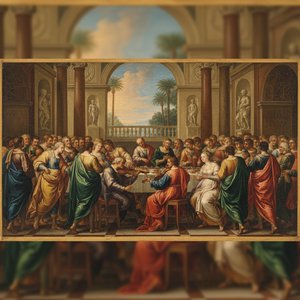
The central panel, often referred to as “The Feast in the House of Levi,” is particularly noteworthy for its lavish depiction of a banquet overflowing with food, drink, and elegantly dressed figures. This scene, drawing inspiration from the Gospel story of Jesus feeding the multitudes, serves as a potent metaphor for Venice’s prosperity and its role as a generous host. The sheer scale and opulence of the painting are designed to overwhelm the viewer, conveying a sense of boundless abundance and Venetian magnificence.
A Legacy of Illusion
Today, reproductions of Veronese's ceiling paintings continue to inspire awe and admiration. The intricate detail, vibrant colors, and masterful illusionistic techniques remain remarkably evident even in scaled-down versions. These works stand as a testament to Veronese’s genius—a celebration of beauty, grandeur, and the transformative power of art. They offer a glimpse into the heart of Renaissance Venice, inviting us to lose ourselves in their dazzling spectacle and contemplate the enduring legacy of one of history's greatest painters.
常见问题与解答
保罗·委罗内塞 的《Ceiling paintings》 的亮度如何?
保罗·委罗内塞 的《Ceiling paintings》 的记录亮度为 Soft Shadow。
“Ceiling paintings” 是什么类型的作品?
“Ceiling paintings”是一件WallArt作品。
是否有面向学生的 保罗·委罗内塞 的《Ceiling paintings》 详情页?
保罗·委罗内塞 的《Ceiling paintings》 的 指南 页面提供了一份可打印的两页式学生资料单:包含作品及其基本信息表、将其置于艺术家生平中的年代轴、艺术家的其他作品、经测量的色板,以及四种格式的即用型引用文献。
 实景预览
实景预览
 分享
分享 分享
分享
 详情
详情 指南
指南

 下载作品
下载作品
 相似作品
相似作品 X射线
X射线 幻灯片播放
幻灯片播放 Q&A
Q&A 统计数据
统计数据