
 实景预览
实景预览
 发送
发送 分享
分享
 详情
详情 指南
指南

 下载图片
下载图片
 相似作品
相似作品 X射线
X射线 幻灯片播放
幻灯片播放 统计数据
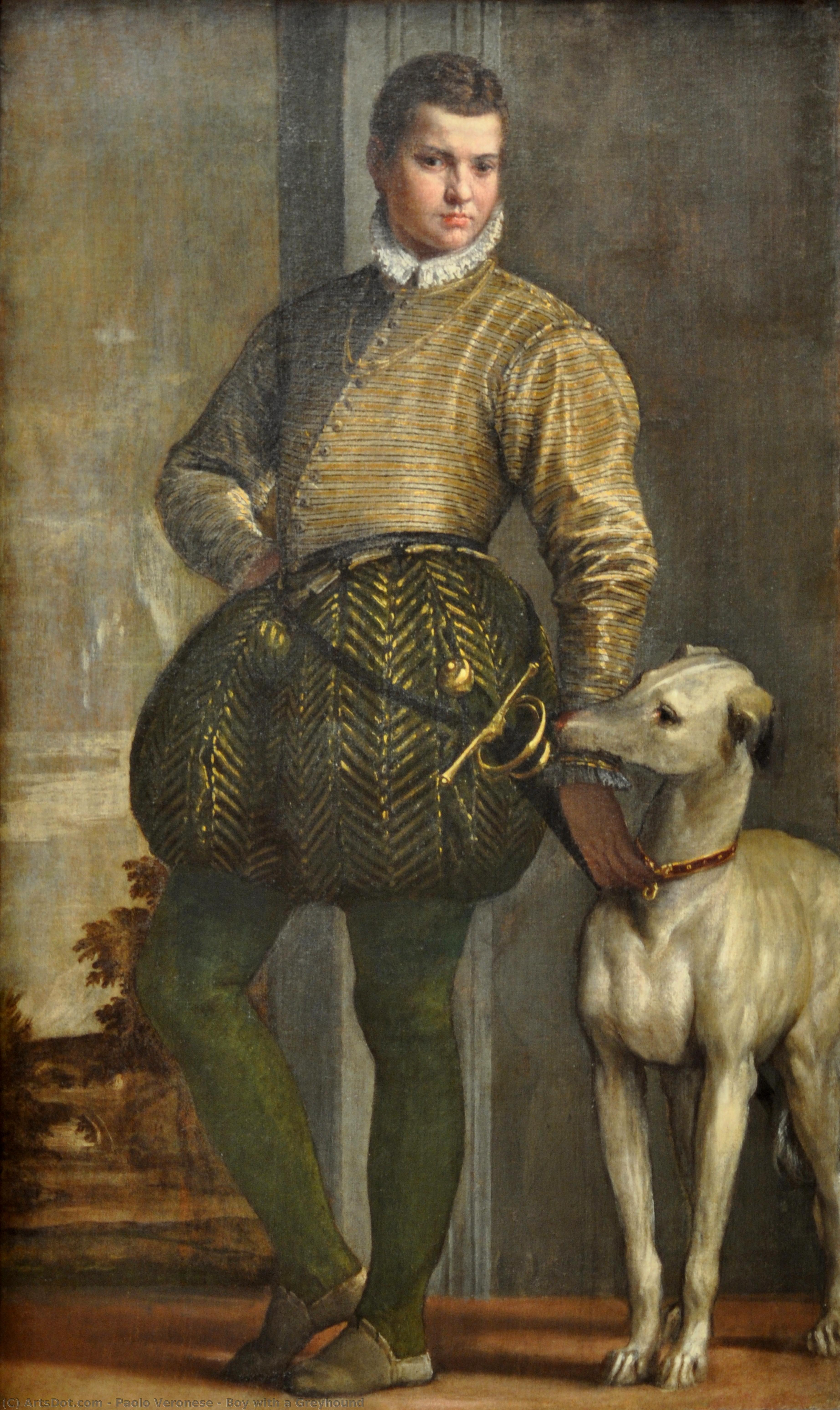
统计数据Boy with a Greyhound
 Acrylic On Canvas
- WallArt
- Late Renaissance Mannerism
 1570
1570 174.0 x 102.0 cm
 大都会艺术博物馆
 阅读全文
阅读全文
艺术微喷/版画
博物馆级艺术微喷或帆布版画,制作高效,并提供多种饰面选择。 ( 订购此收藏品的纯手工复刻画作 切换至数字图像销售渠道)




P118B ¥10

P118H ¥10

P118W ¥10

P438Z ¥10

P508JH ¥12

P508YH ¥12

P805H ¥10

P805Z ¥10

P919BZ ¥10

P919G ¥10

P919XJ ¥10

P959ZH ¥10

P968JZ ¥12

W106C ¥8

W218G ¥10

W218JH ¥8

W218Y ¥10

W307PJ ¥10

W316G ¥10

W316PJ ¥8

W316Y ¥10

W398PJ ¥8

W4111J ¥10

W500HY ¥15

W500JH ¥15

W692G ¥12

W849H ¥8

W940BG ¥15

W953PJ ¥8




您可以从与原作比例一致的预设尺寸中进行选择。

您可以输入自定义尺寸,以适配特定的画框或空间。如果您选择的尺寸与原图比例不符,我们将对作品进行裁剪,或通过镜像填充/纯色填充边缘的方式来扩展图像。在开始制作之前,我们会向您发送一份数字效果图供您确认。
请注意,屏幕上的预览并不能反映实际的裁剪或扩展效果。只有效果图才能准确展示最终的构图。
虽然我们提供定制尺寸,但为了保持原图比例,我们建议您从预设列表中选择尺寸。


 玻璃选项仅适用于110厘米以下的尺寸。

Boy with a Greyhound
艺术微喷/版画
复刻品尺寸说明
-


总计金额
¥ 538
The Enigmatic Youth: Paolo Veronese’s ‘Boy with a Greyhound’
Paolo Veronese's “Boy with a Greyhound,” painted in 1570, is more than just a portrait; it’s a carefully constructed tableau of Renaissance ideals and subtle social commentary. This captivating work, measuring 174 x 102 cm, offers a glimpse into the opulent world of Venetian society and reveals Veronese's masterful command of color, composition, and detail. The painting immediately draws the eye to the young man, dressed in a vibrant yellow garment – a hue associated with royalty and wealth during this period – suggesting a noble lineage or elevated status. His posture is one of quiet confidence, his hand resting casually on his hip while holding the leash of a magnificent greyhound, an animal prized for its speed, loyalty, and association with nobility.
The background, rendered in a deliberately soft and blurred manner, hints at a setting – perhaps a courtyard or garden – but doesn’t distract from the central figures. This technique, common in Venetian painting of the era, reflects a shift away from the precise realism favored by earlier masters and emphasizes the importance of the subjects themselves. The greyhound's attentive gaze upward towards the boy speaks volumes about their bond; it’s a connection built on mutual respect and affection, subtly conveyed through their interaction.
A Venetian Visionary: Paolo Veronese and His Artistic World
Paolo Caliari, known as Paolo Veronese, was a pivotal figure in the vibrant artistic scene of 16th-century Venice. Born in Verona in 1528, his early training instilled him with foundational techniques, but it was his move to Venice that unleashed his extraordinary talent. The city’s wealth, its grand architecture, and its bustling markets provided an endless source of inspiration for Veronese. He absorbed the influence of masters like Titian, particularly his mastery of color, yet he developed a distinct style characterized by lavish detail, dramatic scale, and a celebration of human beauty – often imbued with a subtle air of theatricality.
Veronese’s work frequently depicted scenes from biblical narratives, mythological tales, and grand celebrations. He was renowned for his ability to create immersive environments filled with intricate details, luxurious fabrics, and an abundance of figures. His paintings were commissioned by wealthy families and religious institutions, serving as both decorative elements and statements of social status. “Boy with a Greyhound” exemplifies this approach – it’s not merely a portrait but a carefully orchestrated scene designed to evoke admiration and convey a sense of refined taste.
Symbolism and Context: Decoding the Details
The inclusion of the greyhound itself is laden with symbolism. In Renaissance Venice, dogs were associated with nobility, loyalty, and even hunting prowess – qualities highly valued by the wealthy elite. The boy’s attire, particularly the yellow garment, further reinforces this connection to privilege. The blurred background suggests a world beyond immediate perception, inviting contemplation on the social dynamics at play.
Considering the date of 1570, “Boy with a Greyhound” offers a window into the values and aesthetics of the late Renaissance. It reflects a fascination with classical ideals of beauty, a celebration of wealth and status, and an interest in portraying human figures in idealized forms. The painting’s composition—the balanced arrangement of figures, the rich colors, and the subtle gestures—demonstrates Veronese's mastery of visual language and his ability to capture the essence of his subject.
A Timeless Masterpiece: Reproduction and Appreciation
OriginalUniqueArt.com is proud to offer meticulously crafted hand-painted reproductions of Paolo Veronese’s “Boy with a Greyhound.” Each reproduction captures the original's vibrant colors, intricate details, and atmospheric depth, allowing you to bring this iconic Renaissance masterpiece into your home or office. Whether you are an art enthusiast, a collector, or simply seeking a stunning piece of decorative art, our reproductions provide an authentic and affordable way to experience the enduring beauty of Veronese’s vision. Explore the full detail and artistry of this captivating portrait – a testament to the genius of a Venetian master.
问答详情
“Boy with a Greyhound”描绘的是什么内容?
保罗·委罗内塞 的《Boy with a Greyhound》 描绘了:venetian painting, greyhound, renaissance, costume, royalty, dog, veronese, feast。
"Boy with a Greyhound" 的色调饱和度如何?
保罗·委罗内塞 的《Boy with a Greyhound》 的色彩饱和度记录为 Subtle Color。
保罗·委罗内塞 在创作《Boy with a Greyhound》时多大年纪?
当"Boy with a Greyhound"于1570创作时,出生于1528的保罗·委罗内塞正值42岁。
考虑到其色调,建议将"Boy with a Greyhound"陈列在哪个房间?
考虑到其Earthy的色调,建议将“Boy with a Greyhound”布置于Living Room中。
保罗·委罗内塞 的《Boy with a Greyhound》 是在何时创作的?
"Boy with a Greyhound"创作于1570年。这一日期将该作品置于保罗·委罗内塞的艺术生涯及其所处时代之中。
“Boy with a Greyhound”被归于哪位艺术家名下?
"Boy with a Greyhound" 的创作者是 保罗·委罗内塞。该作品以 保罗·委罗内塞 的名义编入目录。
保罗·委罗内塞 的《Boy with a Greyhound》 的色彩基调是什么?
保罗·委罗内塞 的《Boy with a Greyhound》 的色彩特征:Earthy 色调,以 Driftwood (#847551) 为主导。
艺术家简介
威尼斯的幻景:保罗·委罗内塞的生平和艺术
保罗·卡利亚里,世人皆称他为保罗·委罗内塞,诞生于16世纪威尼斯的繁荣艺术氛围中,是一位色彩、构图和华丽壮观景象的大师。1528年出生于维罗纳,是石匠之子,早年生活沉浸在他周围的视觉丰富性中——该地区典型的古典建筑、雕塑形式以及新兴的人文主义理想。他最初在安东尼奥·巴迪莱和乔瓦尼·弗朗切斯科·卡罗托门下接受传统技巧训练,但真正点燃他艺术天才的是1550年代移居威尼斯。这座城市本身成为了他的缪斯女神,它熙熙攘攘的市场、宏伟的宫殿和波光粼粼的水道影响着他作品的规模和戏剧性。他迅速吸收了已确立的威尼斯大师的影响,例如提香,提香对色彩的掌握深刻地影响了委罗内塞的调色板,但他创造了一种独特的风格,其特点是无与伦比的戏剧性和宏伟感。宴会与史诗叙事的画家
委罗内塞的声誉建立在他纪念性的绘画作品之上,特别是那些描绘奢华宴会和转变为威尼斯生活令人惊叹景象的圣经场景的作品。1563年为圣乔治马焦雷修道院完成的《迦拿婚宴》是他技艺的证明。这幅巨大的画布不仅仅是对奇迹的说明;它是一幅16世纪社会生动的全景图,充满了穿着优雅的人物、音乐家和以惊人的精确度呈现的建筑细节。这幅画并非关于在迦拿发生的事情,而是*如果*它发生在委罗内塞时代的威尼斯会是什么样子。同样,《利未家的宴席》,最初名为《最后的晚餐》,由于其包含当代人物和看似不敬的气氛而引起了宗教裁判所的争议。 委罗内塞捍卫了他的艺术许可,声称画家有权享有与诗人或小丑相同的创作自由——这一大胆声明反映了他对艺术解释和重塑神圣叙述的力量的信念。这些作品不仅仅是宗教描绘;它们是对生活、财富和威尼斯本身辉煌的庆祝。他并不感兴趣于禁欲主义的精神,而是致力于捕捉存在的欢乐和丰富性。影响与艺术发展
虽然提香对委罗内塞色彩的影响不可否认,但他的艺术发展是各种影响复杂地相互作用的结果。他在构图中带来的建筑精确度归功于维罗纳在他形成时期盛行的古典传统,特别是米凯莱·桑米凯利等建筑师的作品。他还吸收了来自中意大利大师(如拉斐尔和帕米吉亚尼诺)的元素,这在他的绘画作品中优雅的线条和和谐的安排中显而易见。然而,委罗内塞并没有简单地模仿这些影响;他将它们综合成一种独特的威尼斯风格,其特点是对光线的戏剧性运用、鲜艳的色彩调色板以及对细节一丝不苟的关注。 他擅长创造空间和深度的幻觉,使用透视技术将观众带入他错综复杂的场景的核心。他对油画的掌握使他能够达到无与伦比的光辉和丰富的质感。他还经营着一个大型工作室,他的兄弟本尼迪托和儿子加布里埃尔和卡洛为之贡献力量,确保了他的风格在他1588年去世后继续繁荣。主要成就与历史意义
保罗·委罗内塞的影响远远超出了文艺复兴艺术的范畴。他的作品在几个世纪中引起共鸣,激励了各个学科的艺术家。 他的戏剧性构图和鲜艳的色彩方案已被认为是影响巴洛克绘画到现代电影的一切因素——甚至可以在意大利面条西部电影的视觉美学中找到回声。他是威尼斯“伟大三巨头”画家之一——与提香和丁托列托一起,每个人都为这座城市的艺术遗产做出了独特的贡献,但委罗内塞通常因其纯粹的活力和对世俗乐趣的庆祝而脱颖而出。 他的画作继续以其宏伟壮丽吸引观众,提供了一瞥16世纪威尼斯的奢华世界。- 他通过融入当代生活重新定义了历史绘画。
- 他对色彩的使用至今仍影响着艺术家。
- 他的作品体现了文艺复兴人文主义精神和对世俗美的庆祝。

保罗·委罗内塞
1528 - 1588
快速概览
- 代表作品:
- 迦拿的婚礼
- 利未之家的宴会
- 全名: 保罗·委罗内塞
- 出生地: 意大利维罗纳
- 出生日期: 1528年
- 受此画家影响的艺术家:
- 鲁本斯
- 瓦托
- 国籍: 意大利
- 影响此画家的艺术家: ['提香']
- 艺术运动或风格: 文艺复兴,矫饰主义
- 逝世日期: 1588年
相关文章
The Art of Innocence: Capturing Childhood Wonder through Timeless Portraits of Boys
Capture the fleeting magic of boyhood with breathtaking art. Explore Impressionist-inspired portraits and transform your favorite photos into hand-painted oil masterpieces. At OriginalUniqueArt.com, we bring childhood wonder to life with museum-quality craftsmanship for your home.

Giovanni Paolo Panini: Capturing Roman Grandeur – A Vedute Master's Legacy
Explore the captivating world of Giovanni Paolo Panini, master of Roman vedute painting. Discover his technique, iconic works, influence on art history & collecting advice from experts at OriginalUniqueArt.

Timeless Canines: A Scholarly Exploration of the World's Most Iconic Dog Portraits in Art History
Explore the profound history of the world's most iconic dog portraits. From ancient symbols to 19th-century masters, journey through canine art history with expert insights and discover museum-quality, hand-painted oil reproductions and bespoke pet commissions.
Paolo Veronese: A Renaissance Master of Color, Composition, and Venetian Splendor
Explore the vibrant world of Paolo Veronese, a Renaissance master renowned for his opulent compositions, masterful use of color, and dramatic Venetian scenes. Discover key artworks & legacy.
Paolo Uccello: Pioneering Perspective & the Renaissance Pursuit of Visual Truth
Explore the revolutionary art of Paolo Uccello, a Florentine Renaissance master who pioneered perspective. Discover his iconic paintings like 'St. George & The Dragon' and learn about his lasting influence on art history.


